1. New York City — “You Can Have It All… Until You Can’t”
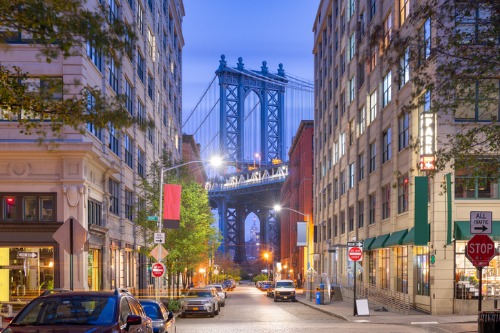
For decades, New York City was the ultimate launchpad for careers in finance, media, tech, and the arts — a place where dreams felt possible and connections were everywhere. But steep rents and home prices have made it increasingly difficult for early‑career folks to climb the economic ladder without roommates or burnout. Many young professionals tell friends they can work in New York but struggle to live in it sustainably, especially if they’re thinking about buying a home or starting a family. With that squeeze, a lot of ambitious grads are jumping to markets with more breathing room and similar job pipelines.
And the city’s cultural vibrancy, once a magnet for creatives and young talent, is under threat from displacement and rising costs. Affordable artist housing has been scarce for years, pushing creative communities — which help define New York’s identity — to the suburbs or smaller cities. Recent reporting indicates drops in artist populations in some neighborhoods as rents spike and options vanish. That loss of character makes the city feel less like a vibrant cultural hub and more like a high‑cost grind for those still finding their footing.
2. San Francisco — “Tech Boomtown… With Sticker Shock”
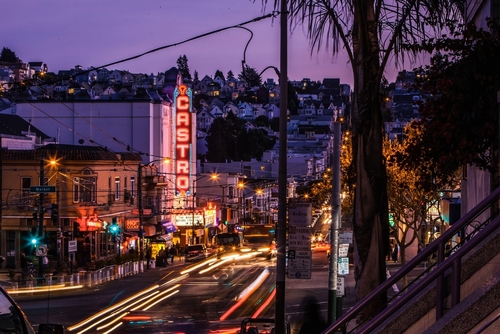
San Francisco’s allure used to be synonymous with tech and innovation — a place where a smart idea could turn into a life‑changing opportunity. But for many young professionals, that allure has dimmed in the face of astronomical housing and daily living expenses that eat up a huge chunk of income. Surveys show roughly half of young, childless adults in the Bay Area considering leaving, with cost of living frequently cited as the culprit. On top of costs, waves of tech layoffs over the past few years have made job security feel less stable than it used to.
Even beyond money, people talk about how long commutes, crowded transit, and intense competition can erode quality of life. When you work in the city but feel priced out of everyday comforts, it’s easy to start eyeing alternatives that offer more space or a better cost‑to‑lifestyle balance. Cities in the Sun Belt and Southeast — which boast lower living costs and still solid job markets — are looking awfully tempting by comparison. Many young professionals are choosing a lifestyle upgrade over a flashy zip code.
3. Los Angeles — “Sunny Skies, Stressful Lives”
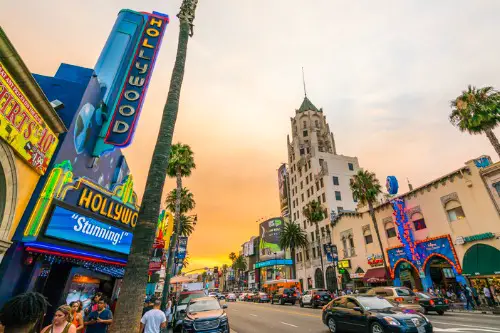
Los Angeles is famous for its weather and entertainment scene, but many young professionals find the daily reality is heavy traffic, long commutes, and high housing costs. When people talk about moving out, LA often tops migration lists — meaning more households are leaving than arriving. High rents and the sprawling nature of the region make it tough for young workers to build social networks and community without a car. That adds financial and time costs that can outweigh the perks of coastal living.
There’s also a sense that while LA is big and exciting, it can feel disconnected — like a collection of neighborhoods rather than a cohesive community. Young transplants hoping to build friendships or a sense of belonging often struggle when routines are dominated by commute and work. These softer quality‑of‑life factors, combined with economic pressures, push people toward cities where connections come easier. Ultimately, the glamour of LA can’t always compensate for the grind.
4. Chicago — “Affordable… But Not Sticky”

Chicago has long been touted as a more affordable alternative to the coasts, with a rich cultural scene, lower rents, and diverse neighborhoods. Yet for many young professionals, affordability alone isn’t enough to counter other concerns. Midwestern cities often offer good job markets but lack the density of opportunities — particularly in high‑growth sectors like tech — that keep grads from leaving for bigger hubs. While many move here initially, others eventually depart for cities that promise faster career acceleration or higher salaries.
There’s also a sense among some locals that Chicago struggles with perception issues around public safety and taxes, which can weigh heavily on young professionals deciding where to settle. Even when the city provides a strong cultural or social draw, these practical concerns can tip the balance. Young professionals often compare Chicago’s pros and cons against alternative cities and find themselves packing up. The result is a city that welcomes talent but doesn’t always retain it.
5. Austin — “Hip But Heating Up”
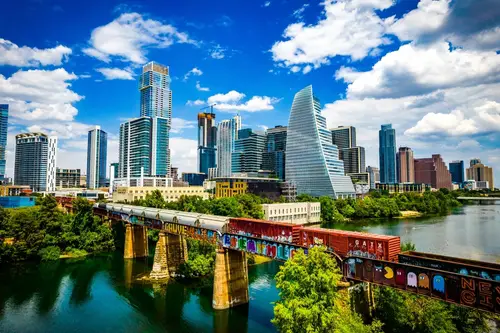
Austin has become synonymous with music, tech, and a creative lifestyle that appeals to young professionals. However, skyrocketing rent and a booming population have strained infrastructure and made the city feel less like the easygoing hub it once was. Traffic congestion has worsened, and long commutes are increasingly common for people chasing affordable apartments. Some young workers feel squeezed between affordability and lifestyle, prompting a reconsideration of whether the city is sustainable long-term.
Additionally, Austin’s rapid growth has created a sense of impermanence for many newcomers. The once tight-knit creative and tech communities are now more dispersed, making it harder to form lasting connections. Rising costs also push workers to look toward smaller Texas cities or other states entirely. For a city that prides itself on keeping things “weird,” the reality is proving too expensive for some.
6. Seattle — “Rainy But Costly”
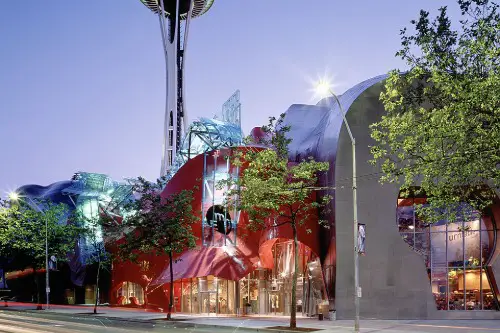
Seattle’s tech boom, led by major employers, drew young professionals for years, offering competitive salaries and career growth. But the cost of living, particularly housing, has surged alongside these high-paying jobs. Long commutes compounded by limited affordable housing have made life stressful, especially for those just starting careers. Young professionals are now evaluating whether the high salary compensates for the financial and lifestyle pressures.
The city’s urban density also brings trade-offs in quality of life. Some neighborhoods feel increasingly congested, and the city’s famous rain can amplify feelings of isolation. Young workers are leaving for cities that provide both career opportunities and a lower cost of living. Seattle’s growth has made it feel less like an accessible city for newcomers.
7. Miami — “Vibrant, But Volatile”
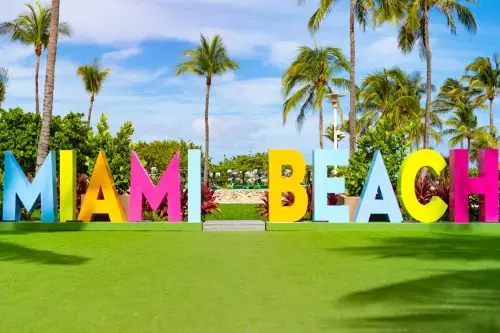
Miami’s sunny beaches, nightlife, and cultural diversity make it a tempting city for young professionals. Yet affordability is a growing issue, particularly in desirable neighborhoods near the coast. Property prices and rental costs have spiked in recent years, making it harder to maintain a reasonable budget. Young professionals often find themselves spending the majority of their income just to live comfortably, limiting other life opportunities.
Additionally, Miami’s job market, while strong in certain industries like finance and tourism, can feel narrow for those seeking tech or creative careers outside traditional sectors. Extreme weather events also add unpredictability and long-term concerns for residents. Many are weighing the benefits of lifestyle against the costs and risks, sometimes deciding a move elsewhere makes more sense. Vibrancy comes at a price — literally.
8. Denver — “Outdoor Paradise, Pricey Reality”
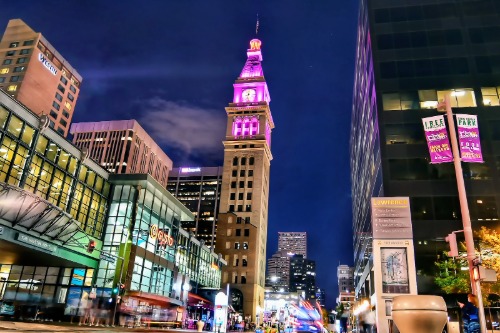
Denver draws young professionals with its proximity to mountains, outdoor recreation, and a thriving craft culture. But the cost of housing has risen faster than wages for many newcomers. Young workers who initially moved for the active lifestyle now struggle to find affordable apartments or homes. The city’s appeal can clash with economic reality, creating a tension between dreams and budgets.
Moreover, Denver’s job market is competitive, and many industries pay modestly compared with the cost of living. For those without specialized roles, growth opportunities can be limited. Young professionals sometimes trade elevation for affordability, moving to smaller cities nearby or across the country. The allure of fresh air can only outweigh financial pressure for so long.
9. Boston — “Historic Charm, Modern Strain”
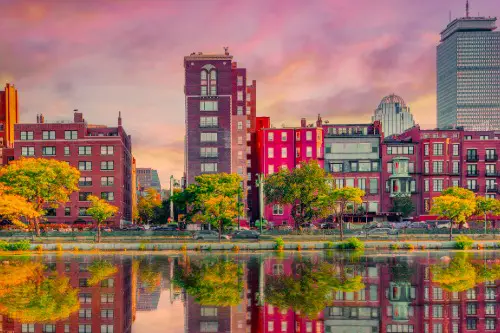
Boston offers prestigious universities, hospitals, and a strong tech and finance scene, making it ideal for ambitious young professionals. But the city’s housing market is notoriously tight, and rents are sky-high relative to entry-level salaries. Young professionals often feel stuck choosing between career proximity and affordable living. Many eventually relocate to cities where their paycheck stretches further.
The older infrastructure also affects day-to-day life. Traffic, winter weather, and limited public transit outside core areas can make life more stressful. Combined with high costs, these factors push many to seek greener pastures. The city’s intellectual and historical charm isn’t always enough to retain those at the start of their careers.
10. Washington, D.C. — “Powerful, But Pressured”

Washington, D.C. attracts ambitious young professionals seeking careers in government, policy, and related industries. But high housing costs, long commutes, and political stressors can weigh heavily. Living near work is expensive, and remote opportunities are often limited by government regulations. These challenges push young workers to explore more affordable and flexible cities.
Social life and community building also feel strained in D.C. The transient nature of the population — many residents rotate in and out every few years — can make friendships harder to form. Young professionals often prioritize stability and lifestyle, even if that means leaving the capital. The draw of prestige competes with the desire for balance.
11. Portland — “Creative Vibe, Cost Crunch”

Portland has long been celebrated for its arts, food scene, and laid-back lifestyle, attracting a creative young workforce. Yet housing prices have climbed steadily, and inflation hits everyday costs hard. Young professionals often find themselves choosing between paycheck and lifestyle flexibility. The city’s charm sometimes conflicts with its economic reality.
Additionally, the pace of job growth hasn’t always kept up with population growth. Opportunities in tech or other high-paying sectors are limited compared to bigger cities. Young residents who moved for culture may relocate for career advancement. Portland’s creative identity is strong, but the city struggles to retain new talent.
12. Nashville — “Music City, Growing Pains”
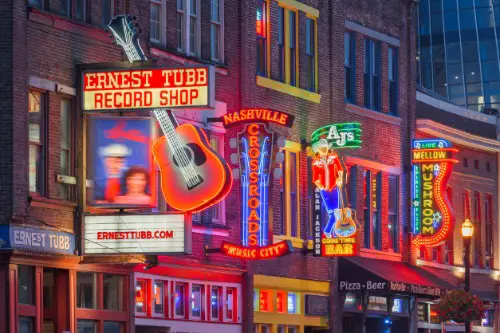
Nashville is famous for its music scene and Southern hospitality, making it an appealing destination for young professionals. But its recent growth has driven housing costs higher and crowded formerly affordable neighborhoods. Young workers are now facing tougher choices about where to live and how to save. The charm of the city doesn’t always make up for the increased expenses.
Infrastructure and traffic issues have also worsened as the population expands. Long commutes and limited public transit create stress for newcomers. Some young professionals leave for cities that balance growth with affordability. Nashville’s rapid rise has created opportunities but also growing pains for the next generation.
This post Why Young Professionals Keep Leaving America’s “Hottest Cities” was first published on American Charm.