
1. San Antonio, Texas
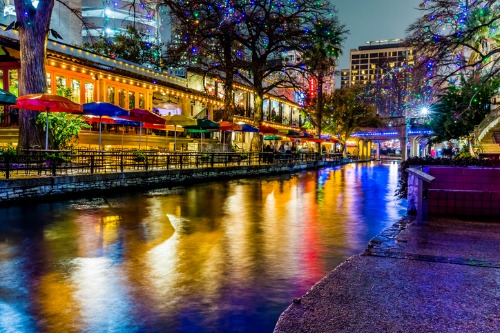
San Antonio’s booming population and job market make it a poster child for U.S. growth, but that boom comes with serious stressors. Long workweeks, traffic congestion, and limited nearby green space have put it high on recent burnout risk lists — meaning residents spend more hours commuting and less time unwinding.
All this rapid expansion hasn’t been matched by enough mental health resources or park access, compounding daily pressures. It’s exactly the kind of growing‑city stress you don’t see in many shrinking mid‑size towns where pace and demand are steadier. New arrivals hoping for opportunity often find frustration in gridlock and overbooked services. Even longtime locals remark that it’s harder to find balance here than in smaller or declining Rust Belt communities.
2. Austin, Texas
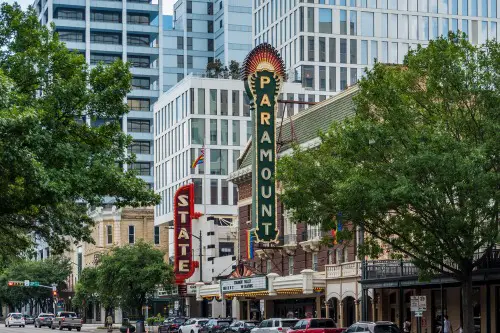
Austin has become one of the fastest‑growing cities in the U.S., especially after the pandemic brought huge in‑migration. But that growth has driven up housing prices and pushed many middle‑class residents out to distant suburbs, turning commutes and affordability into everyday stress.
The influx of high‑income newcomers has been great for the local tech economy, yet it’s also made balancing work and life tougher for those on average salaries. Traffic has become worse, public services are strained, and cultural vibrancy is often overshadowed by cost pressures. In contrast, many declining cities by population don’t have such steep spikes in housing cost that turn everyday living into a financial strain.
3. Phoenix, Arizona
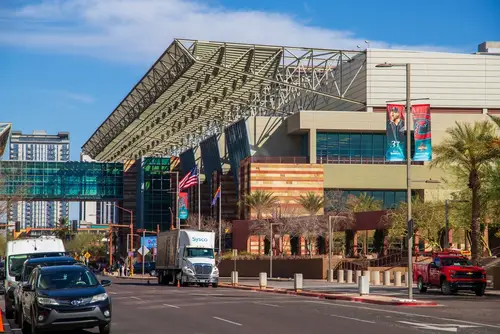
Phoenix’s sun‑belt allure has drawn hundreds of thousands of newcomers, but that rapid expansion brings congestion and heat‑related stress unique to its desert environment. New development often struggles to keep up with population influx, leading to sprawl that makes daily travel and errands feel draining.
Residents also contend with extreme summer temperatures that elevate utility costs and health risks, a kind of environmental pressure you don’t see in many shrinking cooler mid‑western cities. Job opportunities are plentiful, yet the sheer scale of growth means competition and resource demand escalate quickly. For many, that dream of sunshine turns into a challenge of maintaining wellbeing amid relentless expansion.
4. Dallas, Texas
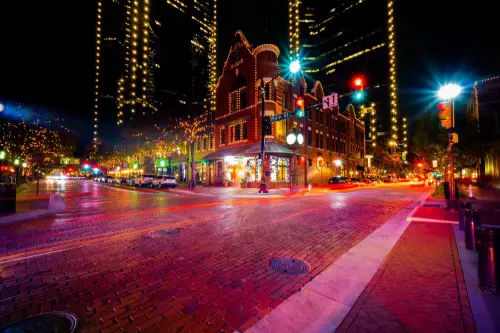
As part of the Dallas–Fort Worth metroplex — one of the nation’s most populous and fastest‑growing regions — Dallas exemplifies how growth can stretch infrastructure thin. Roads, schools, and services wrestle with increasing demand, leaving residents dealing with long commutes, crowded public spaces, and rising living costs.
Rapid expansion can feel like a race where everyday life gets slower and more expensive, a sharp contrast to many declining cities that face less congestion and lower day‑to‑day demands on time and money. New families pouring in chase opportunity, but often find themselves in traffic snarls or waiting lists for basic services. The hustle that makes Dallas dynamic also makes it one of the more stressful big‑city environments to navigate.
5. Los Angeles, California

Los Angeles’s growth as a cultural and economic magnet also comes with some of the nation’s steepest living costs. Housing, groceries, transportation, and healthcare all add pressure, and residents often spend hours each day commuting across the sprawling cityscape.
Even with abundant job opportunities in entertainment, tech, and other industries, the cost of living and congestion creates stress not common in smaller or declining cities. The constant push to keep up professionally and financially can erode work‑life balance. For many, the glamour of LA is offset by long-term stress that comes with a city expanding faster than its infrastructure can support.
6. Seattle, Washington
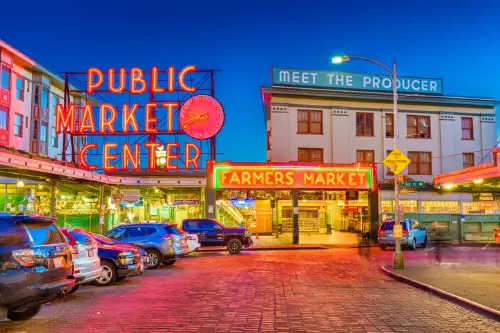
Seattle’s tech boom has brought in high-paying jobs, but it has also accelerated skyrocketing rents and housing shortages. Many longtime residents now face long commutes, crowded public transit, and the psychological strain of a constantly changing city.
Rapid growth has also increased competition for childcare, schools, and recreational spaces, leaving families under constant pressure. Shrinking cities, by contrast, often have more affordable housing and less intense daily logistics. Even the scenic surroundings can’t fully offset the tension of keeping up with the fast-moving urban economy.
7. Denver, Colorado
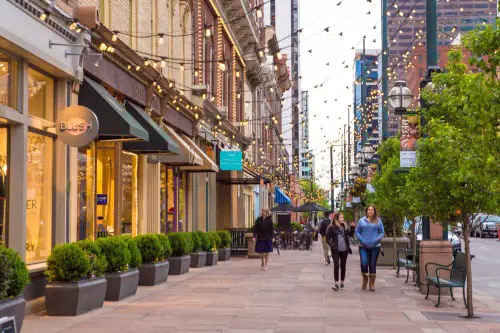
Denver’s population surge has fueled its outdoor lifestyle economy, but growth has outpaced infrastructure and housing availability. Residents frequently find themselves navigating congested roads and skyrocketing home prices, a combination that can be physically and mentally draining.
Even with beautiful mountain views and a booming job market, the daily realities of commuting, limited rental availability, and crowded public spaces elevate stress. Declining cities often lack these pressure points, offering slower rhythms and lower costs of living. Denver’s appeal comes with the price of constant adaptation to a high-growth environment.
8. Nashville, Tennessee

Nashville’s reputation as “Music City” attracts thousands seeking career opportunities and lifestyle perks, but rapid growth strains local resources. Traffic congestion and rising rents have become common complaints among residents navigating a city expanding faster than its infrastructure.
Healthcare, schools, and public services are often stretched thin, forcing locals to juggle time and money just to maintain normal routines. In contrast, cities with declining populations tend to have less competition for services and more predictable daily life. The excitement of a growing economy is counterbalanced by a constant low-level stress that is uniquely urban.
9. Charlotte, North Carolina
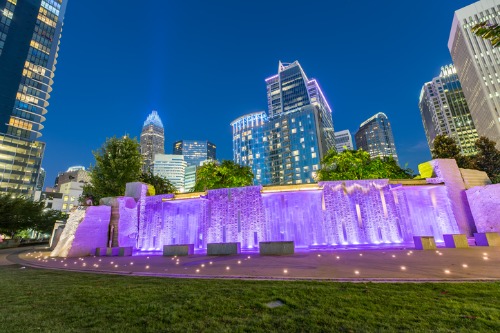
Charlotte’s financial sector boom and population growth bring opportunity but also pressure. Long commutes, dense traffic, and high-rise development reduce the sense of community and create daily logistical headaches for residents.
Growth also drives up housing costs faster than wages for many middle-class families. Compared to declining cities, Charlotte’s pace makes it more difficult to achieve work-life balance. Residents often feel the tension of expansion even in seemingly small, everyday choices like where to live or how to get to work on time.
10. Orlando, Florida
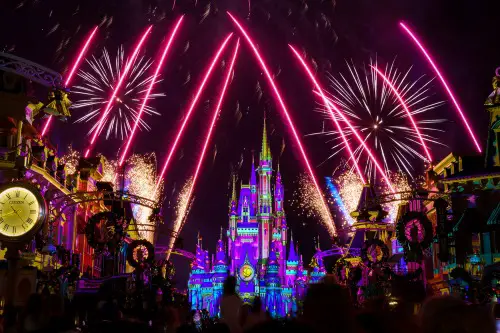
Orlando’s tourist-driven economy fuels population growth, but it also brings congestion, seasonal employment stress, and increased housing competition. Long waits at public services, crowded roads, and frequent development make routine life more taxing.
Even with entertainment and hospitality opportunities, locals face cost-of-living pressures and environmental stressors like heat and humidity. Declining cities without this level of influx often offer simpler, more predictable daily experiences. For many, the magic of Orlando comes with a constant background pressure of a city expanding faster than comfort allows.
11. Atlanta, Georgia
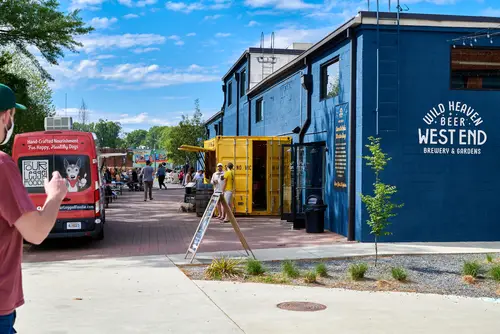
Atlanta’s status as a transportation hub and corporate center draws talent and population, yet it has grown faster than traffic, housing, and public services can keep up. Daily life often involves long commutes, crowded schools, and stretched healthcare facilities.
The city’s growth also fuels higher rents and property prices, creating financial strain for middle-class households. Residents experience a pressure cooker effect where opportunity and stress coexist in every aspect of life. In shrinking cities, fewer people mean more breathing room and less daily stress.
12. Miami, Florida
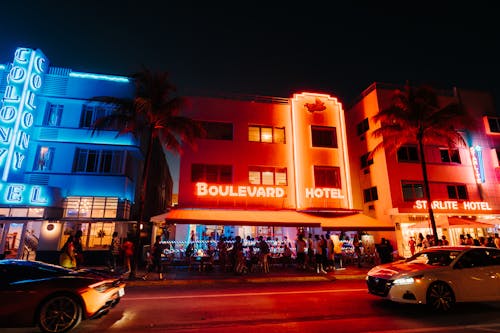
Miami’s explosive growth, fueled by international migration and economic opportunity, has created congestion and skyrocketing living costs. Residents often juggle long commutes, housing affordability, and vulnerability to climate-related risks like flooding and hurricanes.
The fast pace of the city adds to a constant mental load, from daily logistics to maintaining financial stability. Compared with declining U.S. cities, Miami’s rapid expansion brings unique environmental and social stressors that make everyday life more intense.
This post Why These Growing Cities Are More Stressful Than Declining Ones was first published on American Charm.

