
1. Downtown Gatlinburg, Tennessee
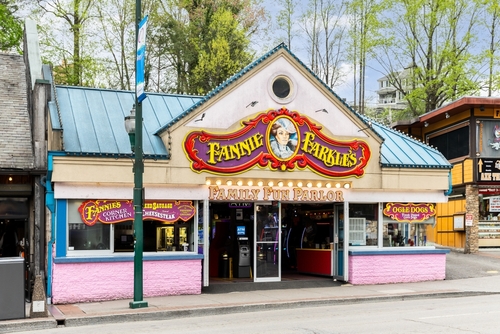
Gatlinburg’s main downtown strip is the gateway to Great Smoky Mountains National Park, and it’s packed with attractions competing for attention. Candy shops, moonshine tastings, souvenir stores, and mountain-themed attractions line the road. Observation towers and indoor amusements tower above the sidewalks. The visual effect is part mountain village, part amusement strip.
Because millions of people pass through on their way to the national park each year, the economy leans heavily on tourism. Businesses focus on quick entertainment and memorable treats for vacationers. Many workers commute from nearby towns in Sevier County. The result is a downtown that feels almost entirely calibrated for visitors passing through.
2. Fisherman’s Wharf, San Francisco, California
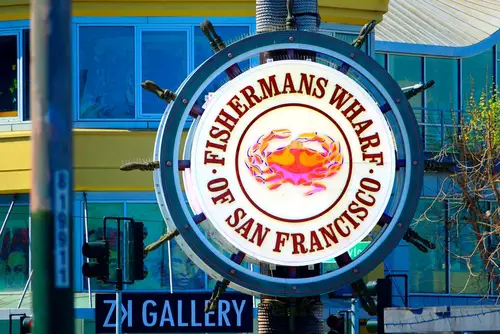
San Francisco’s Fisherman’s Wharf is one of the city’s most famous waterfront districts, but it often feels like it belongs more to travelers than residents. Streets are lined with souvenir shops, seafood stands, and attractions like Pier 39’s sea lions. Street performers and tour operators fill the sidewalks. The whole scene has a carnival-like energy that signals you’re in a place built to entertain.
Locals will tell you that very few San Franciscans actually spend time there outside of showing visiting friends around. Restaurants tend to focus on tourist staples like clam chowder in sourdough bowls. Meanwhile, neighborhoods just a short distance away have more everyday businesses and local culture. The wharf thrives because millions of visitors arrive every year expecting a classic waterfront experience.
3. Bourbon Street, New Orleans, Louisiana
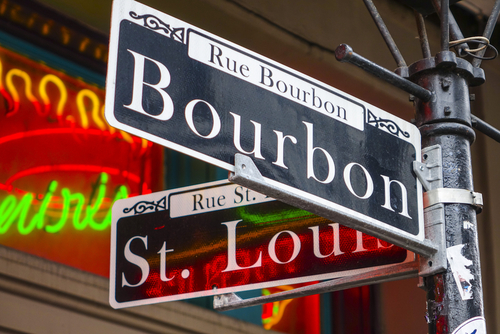
Bourbon Street in the French Quarter is world-famous for its neon lights, balconies, and open-air party atmosphere. Music pours out of bars and clubs day and night. The street is packed with visitors carrying drinks in plastic cups, especially during major events like Mardi Gras. It’s one of the most recognizable party streets in the United States.
While the broader French Quarter still has residential pockets and historic character, Bourbon Street itself caters almost entirely to tourism and nightlife. Many establishments focus on high-volume drink service and live entertainment. Locals often prefer other nearby neighborhoods for dining or music. That contrast makes Bourbon Street feel like a visitor-focused entertainment corridor inside a much deeper city.
4. Navy Pier, Chicago, Illinois
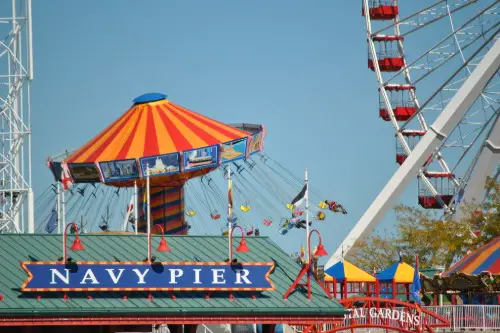
Navy Pier stretches into Lake Michigan with Ferris wheels, boat cruises, and family attractions. On summer days, it’s filled with visitors snapping skyline photos and lining up for rides. Seasonal events, fireworks shows, and festivals keep the area busy throughout the year. The layout feels closer to an amusement promenade than a typical city district.
Chicagoans certainly visit, but many think of Navy Pier primarily as a place to take out-of-town guests. Shops lean heavily toward souvenirs and novelty items rather than everyday retail. Restaurants tend to be casual and tourist-friendly, with big patios and simple menus. The pier succeeds because it packages the lakefront into an easy, highly curated experience.
5. Hollywood Boulevard, Los Angeles, California
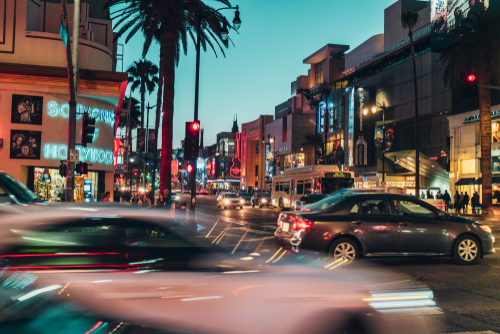
Hollywood Boulevard draws crowds eager to see the Walk of Fame stars embedded in the sidewalk. Tour buses roll by landmarks like the TCL Chinese Theatre and the Dolby Theatre. Costumed characters pose for photos while street vendors sell celebrity-themed souvenirs. The whole strip leans into the mythology of the movie industry.
For many locals, though, Hollywood Boulevard feels more like a themed attraction than a working neighborhood. The retail mix includes gift shops, wax museums, and tour operators catering to film fans. While the surrounding Hollywood area has apartments, offices, and restaurants, the core tourist stretch is carefully oriented around sightseeing. Visitors come looking for Hollywood magic, and the boulevard delivers it in concentrated form.
6. The Las Vegas Strip, Las Vegas, Nevada
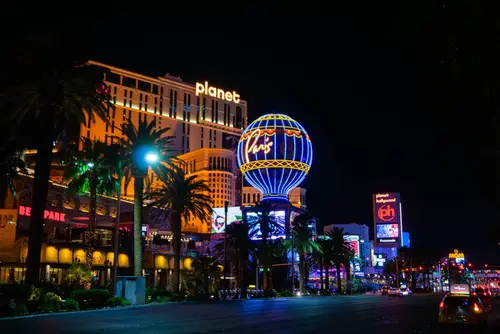
The Las Vegas Strip is technically not even within the city limits of Las Vegas, yet it defines the destination in the public imagination. Massive casino resorts line the boulevard with elaborate themes ranging from ancient Egypt to Parisian boulevards. Visitors hop between shows, restaurants, and gaming floors at all hours of the day. It’s an entertainment corridor designed to keep tourists moving from spectacle to spectacle.
Very few locals treat the Strip like a normal downtown. Residents often live miles away and visit mainly for work or special occasions. Daily services such as schools, pharmacies, or ordinary grocery stores are almost nonexistent along the main drag. Everything from the architecture to the pedestrian bridges reinforces the idea that this place exists primarily for visitors.
7. Waikīkī, Honolulu, Hawaii
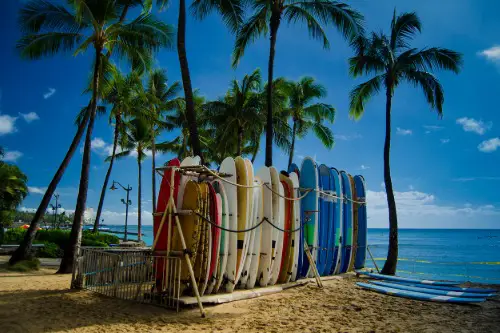
Waikīkī’s beachfront skyline is packed with high-rise hotels overlooking one of the most famous beaches in the world. Kalākaua Avenue buzzes with international visitors browsing luxury boutiques and surf shops. The area is polished, walkable, and filled with resorts offering easy access to the ocean. It’s one of the most recognizable vacation districts in the United States.
Although people do live in Waikīkī, the commercial core revolves heavily around tourism. Many businesses cater specifically to travelers looking for luaus, surf lessons, or sunset cruises. Restaurants and shops often reflect global tourism trends more than local daily life. Locals frequently head to other Honolulu neighborhoods when they want a quieter meal or a less visitor-heavy beach.
8. International Drive, Orlando, Florida
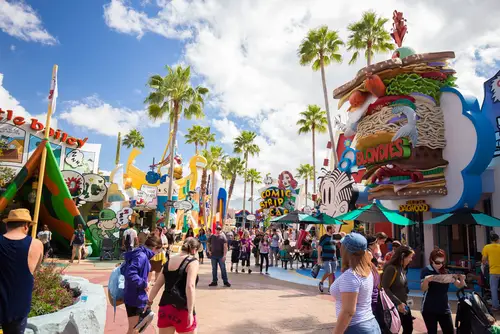
International Drive, often shortened to I-Drive, is a long tourist corridor packed with attractions. Visitors bounce between theme park shuttles, dinner theaters, outlet malls, and giant observation wheels. Bright signage and oversized entertainment complexes dominate the streetscape. The entire area feels like an extension of Orlando’s massive theme park industry.
While Orlando has many regular residential neighborhoods, International Drive exists largely to support vacationers. Hotels, chain restaurants, and ticket sellers are everywhere. Many workers commute in to staff the attractions but don’t actually live nearby. The district functions almost like a hospitality ecosystem designed around visitors’ itineraries.
9. Wisconsin Dells Downtown, Wisconsin
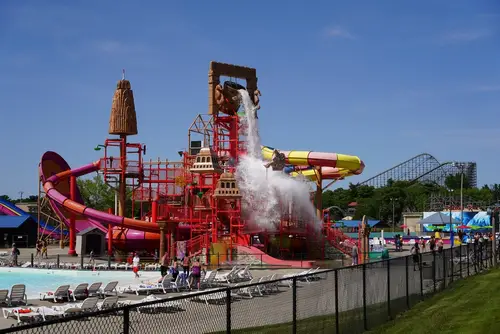
Wisconsin Dells bills itself as the “Waterpark Capital of the World,” and its downtown reflects that identity. Streets are filled with arcades, fudge shops, and brightly colored attractions aimed at families on vacation. Duck boat tours and river cruises depart nearby, adding to the sense of a packaged adventure hub. The atmosphere is energetic and unmistakably tourist-focused.
Outside the peak summer season, the difference becomes even clearer. Many businesses operate primarily during the tourism months. Locals often head to neighboring communities for everyday shopping and services. Downtown Dells thrives because it delivers a concentrated vacation experience centered on waterparks and family entertainment.
10. Branson Landing, Branson, Missouri
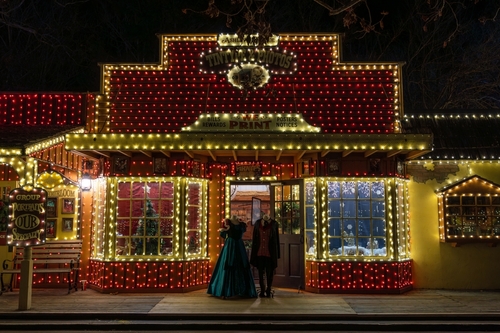
Branson Landing sits along Lake Taneycomo with a carefully designed boardwalk, fountains, and shopping plaza. The centerpiece fountain show erupts with fire, water, and music several times a day. Visitors stroll between restaurants, national retailers, and scenic viewpoints. The setting feels like a polished resort district rather than a traditional town center.
Branson itself is already known for theaters and family entertainment, and the Landing extends that formula. Many shops and dining spots cater to travelers attending nearby shows. The environment is highly curated, with consistent architecture and planned public spaces. It’s easy to see why tourists enjoy it, even if locals sometimes see it as a visitor-oriented bubble.
11. Times Square, New York City, New York
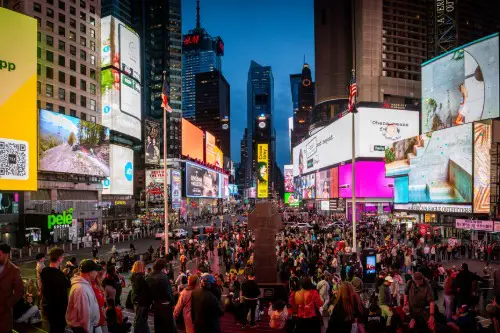
Walk through Times Square and it can feel less like a neighborhood and more like a giant stage set. The towering LED billboards, chain restaurants, and costumed characters create a spectacle that’s undeniably exciting. But most New Yorkers actively avoid the area unless they have a specific reason to be there. The concentration of global brands and entertainment venues makes it feel like it was engineered for visitors first.
That visitor-focused design didn’t happen by accident. Decades of redevelopment turned the once-seedy district into a tightly managed commercial zone centered on tourism and Broadway theatergoers. You’ll find flagship stores, ticket kiosks, and selfie spots everywhere you turn. What you won’t find as easily are grocery stores, everyday services, or the rhythms of local daily life.
This post Why Some Downtowns Feel Designed for Visitors Only was first published on American Charm.

