1. San Francisco’s Financial District
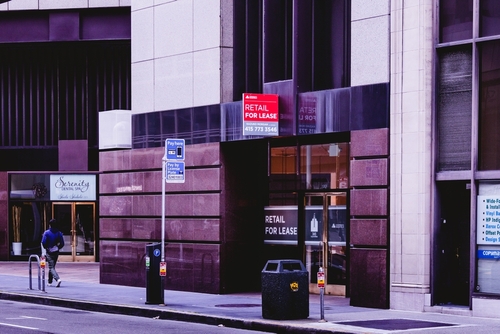
San Francisco’s Financial District can feel busy at first glance, especially near Market Street. There’s constant transit movement, open coffee shops, and plenty of people walking with purpose. But the sidewalks thin out quickly outside peak hours. Large office towers dominate the landscape, and many are no longer fully occupied.
The reason this feels hollow is the sharp drop in daily office attendance. Tech and finance workers still come in, just not every day. Lunch lines form and disappear within an hour. After that, the area feels more like an infrastructure hub than a neighborhood.
2. Downtown Washington, D.C.
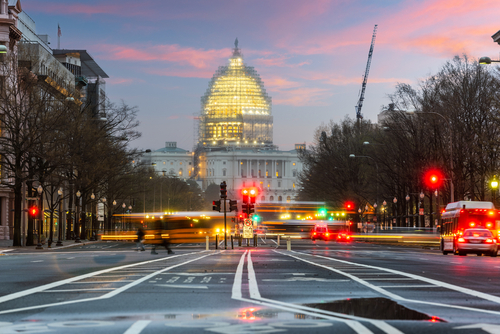
Downtown D.C. remains visibly active thanks to federal buildings, tourists, and a steady flow of Metro riders. Food trucks line the streets, and museums draw crowds nearby. On paper, the area looks healthy. In practice, much of the activity is transient.
Federal offices adopted hybrid work unevenly, leaving many blocks underused. Workers arrive for meetings and leave quickly. Retail that once relied on daily staff now survives on visitors and lobbyists. The city feels occupied, but not inhabited.
3. The Chicago Loop
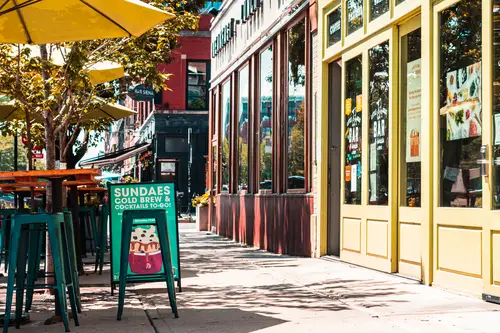
The Chicago Loop still looks like a powerhouse during business hours. Trains arrive full, sidewalks fill at lunch, and stores stay open. The architecture and scale suggest constant intensity. Yet evenings reveal how thin the population really is.
Most Loop buildings were designed for work, not living. Residential growth has been slow compared to surrounding neighborhoods. When commuters head home, the energy drains out fast. The Loop functions well, but it rarely feels warm.
4. Downtown Los Angeles
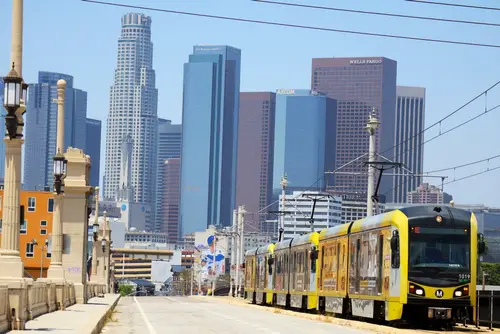
Downtown Los Angeles shows plenty of motion across its districts. You’ll see courts in session, people moving between offices, and packed event venues. There’s also visible street life throughout the day. Still, the experience can feel fragmented and oddly empty.
DTLA’s activity is spread out and highly uneven. Office workers, residents, unhoused people, and tourists often occupy different zones. That limits shared space and casual interaction. The downtown feels animated, but not cohesive.
5. Downtown Denver
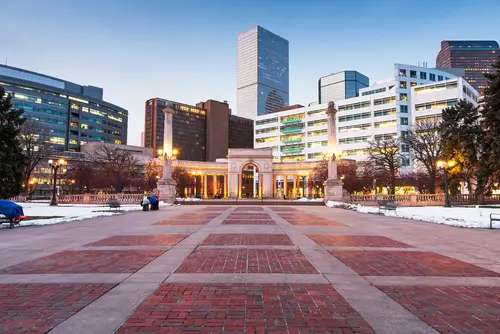
Downtown Denver appears lively, especially around Union Station and the 16th Street Mall. There’s constant pedestrian traffic and plenty of open businesses. The city hosts conventions and sporting events that boost visibility. On quieter days, though, the gaps become obvious.
Office attendance remains inconsistent, and many workers leave the area entirely after work. Residential growth exists but isn’t yet dense enough. Large blocks serve single purposes. The result is motion without much lingering.
6. Downtown Seattle
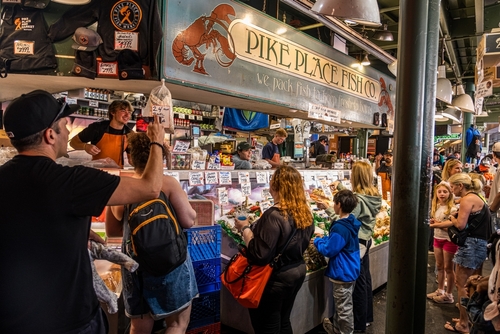
Downtown Seattle still shows signs of life with ferries, light rail, and waterfront traffic. Cafés and food counters stay busy during select hours. Tourists and office workers overlap briefly. After that, the streets feel underused.
Remote work hit Seattle’s tech-heavy workforce hard. Office towers remain prominent but quieter. Retail struggles to adapt to irregular demand. The downtown feels operational rather than social.
7. Downtown Phoenix
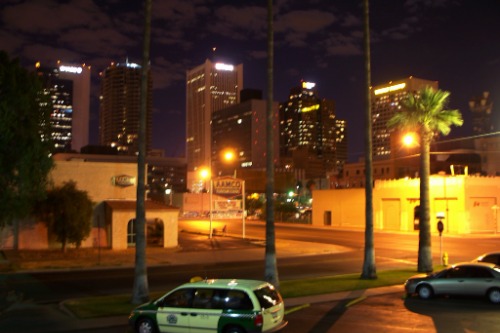
Downtown Phoenix looks active thanks to sports arenas, government offices, and Arizona State University buildings. Light rail keeps people moving through the area. New construction adds visual energy. Yet much of the activity is episodic.
Events drive crowds, but daily life is thinner. The heat pushes people indoors or into cars quickly. Residential density is growing but still limited. The downtown feels programmed more than organic.
8. Downtown Dallas
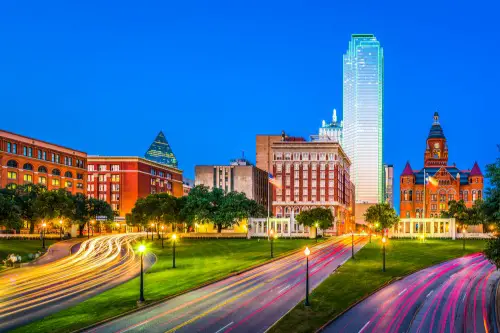
Downtown Dallas has no shortage of tall buildings and daytime workers. Streets are clean, offices are open, and security is visible. At lunch, the sidewalks briefly fill up. By evening, many blocks empty out.
The downtown was built around commuting, not living. Nearby neighborhoods hold most of the social life. Skybridges and garages reduce street-level interaction. It feels busy without feeling alive.
9. Downtown Cleveland
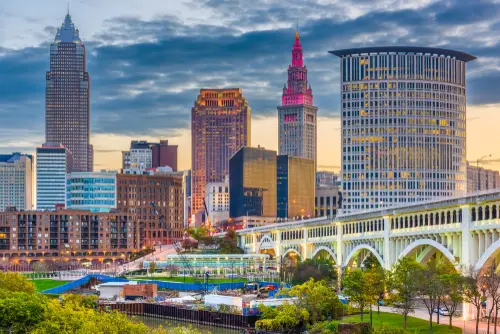
Downtown Cleveland often feels active around sports games and events. Office workers still support parts of the core. The lakefront and public square attract visitors. Outside those moments, the energy fades quickly.
Population density remains relatively low. Many buildings serve single uses. Workers and visitors leave rather than stay. The downtown works as a destination, not a home base.
10. Downtown St. Louis
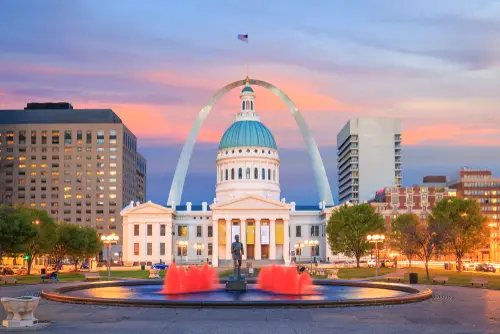
Downtown St. Louis shows visible movement from offices, courts, and tourism. Major attractions bring people in waves. The street grid looks substantial and well-defined. Yet long stretches remain quiet.
Residential growth hasn’t matched the scale of the area. Many workers commute from elsewhere and leave promptly. Retail struggles with inconsistent foot traffic. The result is presence without continuity.
11. Downtown Atlanta
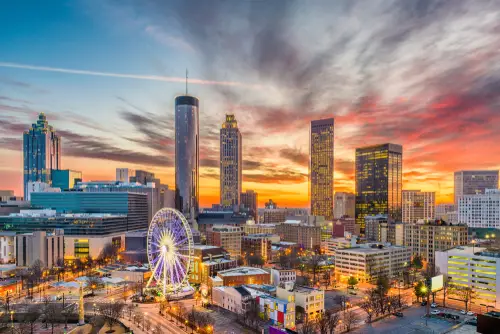
Downtown Atlanta feels active around government buildings, colleges, and major venues. There’s steady traffic and visible security. Conferences and events keep hotels full. Still, the street life can feel thin.
Much of Atlanta’s daily energy shifted to Midtown and other districts. Downtown serves functions rather than lifestyles. People arrive with a purpose and leave once it’s done. It feels occupied, but not settled.
This post Why Some Downtowns Feel Active but Hollow was first published on American Charm.