
1. Alabama
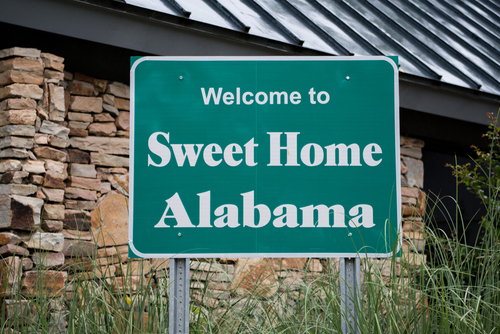
Many boomers are pausing to think about life in Alabama because access to specialty healthcare can be limited outside major cities, and travel times to top‑tier providers can feel long. While the overall cost of living is lower than many states, the savings sometimes get offset by higher insurance and out‑of‑pocket medical costs. Summers are hot and humid, which appeals to some but wears on others after a few seasons. Rural charm and peaceful towns are big draws, yet the pace isn’t for everyone.
The lack of a state tax on Social Security benefits and relatively low income taxes are real pluses for retirees watching their fixed incomes. Still, boomers compare that financial upside with questions about infrastructure investment in small communities. Outdoor lovers adore Alabama’s lakes, forests, and trails, yet worry a bit about emergency services being far away. It’s a state many love in theory, but one that prompts careful planning for long‑term comfort.
2. Arizona

Arizona’s sunny skies and desert landscapes have long beckoned boomers, but rising housing costs in hotspots like Phoenix and Tucson are making some rethink the move. What was once affordable is now priced closer to the national average, and retirees on fixed incomes notice the difference. Summers here are extremely hot — not just warm — which can sideline outdoor plans for months. That intense heat is a big adjustment for those used to milder climates.
Healthcare availability is strong in larger cities, yet rural areas still have gaps, which matters more as people age. The absence of a tax on Social Security benefits is attractive, but other expenses, like utilities and insurance, can add up. Water sustainability and rapid population growth are recurring topics in retirement planning conversations. For many boomers, the lure of desert sunsets is still strong, but it’s now paired with more cautious cost and lifestyle calculations.
3. California
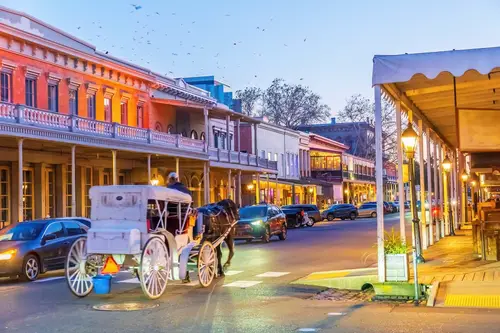
California’s mild coastal weather, cultural diversity, and countless amenities have huge appeal, yet the state’s high housing costs are a major reason many boomers reconsider living there. Whether buying or renting, prices are well above the national median, especially in desirable areas. Traffic congestion around big metros like Los Angeles and the Bay Area can feel relentless, even for retirees. Pair that with high state income taxes, and budgeting becomes more complex.
On the positive side, healthcare options are some of the best in the country, with renowned hospitals and specialists. Natural beauty — from beaches to forests to mountains — is unmatched, and there’s always something new to explore. Still, increasing wildfire risk and concerns about air quality are real factors boomers now weigh seriously. Even longtime residents sometimes find the daily grind outweighs the scenic perks.
4. Florida
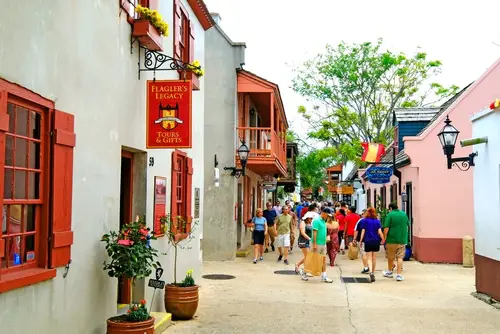
Florida’s sun, warmth, and absence of a state income tax have drawn boomers for decades, but escalating homeowners insurance costs are forcing many to pause before relocating. Coastal areas especially have seen steeper premiums, eating into the savings retirees expected. Hurricanes and flooding risk are also key considerations, especially for those new to tropical storm cycles. Daily traffic in popular cities like Miami and Tampa can surprise newcomers.
That said, the lifestyle — beaches, golf courses, and active senior communities — still holds massive appeal. Retirees appreciate the social scene and year‑round outdoor opportunities. But rising sea levels and storm recovery costs are increasingly part of home‑buying talks. Boomers are asking more questions now, balancing ideal weather with practical living concerns.
5. Georgia

Georgia’s low cost of living and mild seasons make it attractive, but Atlanta’s notorious traffic can be a deterrent for boomers seeking stress‑free days. The urban sprawl means longer drives for errands, appointments, and activities, which becomes more noticeable with age. In rural parts of the state, access to quality healthcare can be inconsistent. Humid summers also weigh on retirees used to dryer air.
On the flip side, property taxes and everyday costs remain comparatively manageable. The state’s varied landscapes — from mountains to coast — offer something for everyone. Boomers enjoy the growing cultural and arts scenes in places like Savannah, Athens, and smaller college towns. Still, balancing slow‑pace life with service access and travel logistics is a common theme among would‑be residents.
6. Idaho
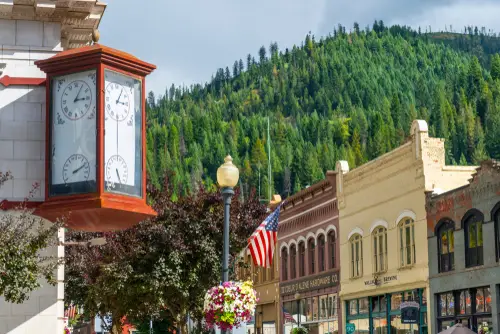
Idaho’s scenic beauty, mountain views, and outdoor lifestyle made it one of the fastest‑growing states, but that very growth has driven up housing costs. Boomers who once saw Idaho as an affordable alternative now find prices catching up to national averages. Rural healthcare facilities are still fewer and farther between, which matters more the older you get. Winters can be severe, with heavy snow and cold that not everyone anticipates.
The tax climate is friendly for retirees, and many communities feel welcoming and close‑knit. Outdoor adventures and quieter days appeal to those seeking a slower pace. Yet concerns about limited public transit and distance to services temper the enthusiasm for some. Boomers here are weighing whether beauty outweighs practical everyday needs.
7. Illinois
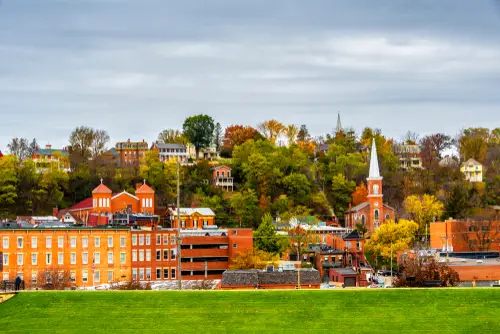
Illinois has a rich cultural scene and relatively affordable living, but many boomers are rethinking it because of taxes and economic uncertainty in some regions. Property taxes are among the highest in the nation, which can eat into retirement savings quickly. Chicago’s world‑class attractions are tremendous, but big‑city living isn’t everyone’s idea of retirement. Downstate areas have fewer job and healthcare opportunities, which can be a concern for long‑term planning.
Public pension and budget questions at the state level have also made some retirees cautious. On the plus side, housing outside major metros stays reasonable compared with coasts. The mix of four seasons appeals to those who enjoy varied climates, yet some seniors prefer milder winters. Boomers attracted to community and culture must weigh costs with lifestyle benefits.
8. Massachusetts
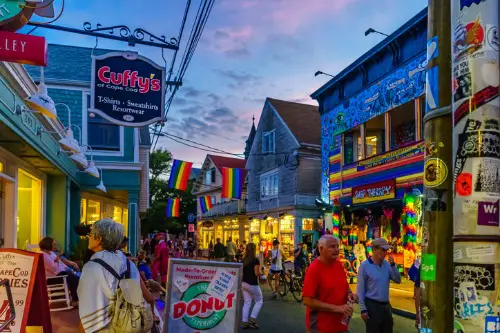
Massachusetts shines with top hospitals, rich history, and cultural vibrancy, yet its high cost of living and taxes make many boomers think twice. Housing in Boston and surrounding suburbs is pricey, and property taxes contribute to hefty annual bills. Winters can be long, cold, and snowy — not ideal for those dreaming of endless sunshine. Traffic and congestion around urban centers also test patience.
Healthcare quality is world‑class, which is a major draw for aging adults focused on access. Still, the overall expense of daily life — from groceries to services — is higher than many other states. Cultural activities, museums, and educational opportunities are plentiful, keeping minds active. For some boomers, the perks outweigh the costs; for others, it’s a balancing act.
9. Nevada

Nevada’s lack of state income tax and dry climate attracted boomers looking for affordability, but rising housing costs in Reno and Las Vegas are changing that calculus. What used to be inexpensive is now competitive with nearby states, especially with newcomers driving demand. Summers can be brutally hot, and air quality concerns pop up around heat waves. Rural areas still struggle with access to specialized healthcare, which retirees consider seriously.
Still, the entertainment, outdoor recreation, and tax breaks continue to resonate with many. The dry climate is a big plus for those with respiratory issues or arthritis. Smaller towns offer tranquility and lower costs, though services can be sparse. Boomers love the freedom here but are increasingly weighing cost against comfort and convenience.
10. New Jersey

New Jersey’s proximity to major cities like New York and Philadelphia keeps it appealing, yet boomers are thinking twice because of the state’s high taxes. Property tax bills in many towns are among the highest nationally, often offsetting other benefits. Cost of living and insurance expenses also trend above average, challenging fixed retirement budgets. Traffic congestion and crowded roadways around commuter zones wear on patience.
On the brighter side, healthcare access is excellent, with top hospitals and specialists nearby. Cultural amenities, beaches, and varied landscapes give plenty to explore. For boomers who want connectivity without urban living, certain suburbs still feel ideal. But the price tag means many are considering alternatives that stretch their dollars further.
11. North Carolina
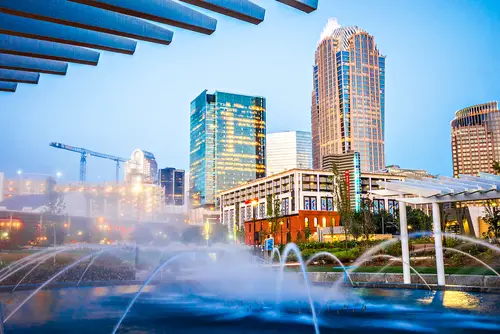
North Carolina’s growing popularity with boomers stems from mild seasons and a moderate cost of living, yet rapid population growth has pushed prices up. Areas like Asheville and the Raleigh‑Durham triangle saw dramatic housing demand, making affordability less certain. Traffic congestion increased where infrastructure hasn’t kept pace with growth. Rural healthcare access remains spotty in some counties, prompting prep conversations among retirees.
Still, the state’s outdoor lifestyle — mountains to coast — is a huge draw. Tax policies on retirement income are relatively friendly, appealing to those on fixed budgets. Vibrant arts and food scenes keep many engaged and happy. Boomers here are balancing the perks of community and climate with the practicalities of cost and services.
12. Ohio

Ohio’s affordable housing and four distinct seasons make it attractive, yet boomers are rethinking moves because of economic and healthcare distribution concerns. In urban centers like Cleveland and Columbus, housing is still a relative bargain, but job markets and growth vary across the state. Winters can be long and harsh, which isn’t ideal for snow‑shy retirees. Access to specialty medical services can depend heavily on where you live.
The state’s property taxes and local levies can also surprise new residents. On the plus side, cultural attractions and Midtown amenities give plenty to do. Smaller towns offer community charm and lower costs, appealing to slower‑paced lifestyles. Still, weighing long winters and uneven services against affordability is part of the conversation boomers have when considering Ohio.
13. Pennsylvania

Pennsylvania’s historic towns, diverse landscapes, and reasonable living costs appeal to many boomers, but state taxes and winters give some pause. Property taxes and income tax on certain retirement income can dent fixed budgets. Snowy, cold winters last months in parts of the state, which makes sun‑seekers reconsider. Traffic around Philly and Pittsburgh also surprises retirees used to quieter days.
That said, access to quality healthcare and proximity to major East Coast cities are big pluses. The cost of living outside big metros remains attractive compared with coasts. Cultural history, arts, and natural parks keep minds and bodies active. Boomers here weigh winter woes against plenty of year‑round value.
14. South Carolina

South Carolina’s beaches, mild winters, and lower cost of living have made it a retiree favorite, yet some boomers reconsider because of hurricane risk and infrastructure worries. Coastal areas are vulnerable to storms, and homeowners insurance costs reflect that risk. Rural areas sometimes lack robust healthcare access, which becomes more pressing with age. Summers here are long and humid, a shock to those from dryer climates.
On the upside, property taxes are low and the pace of life appeals to many. The state’s tax treatment of retirement income is favorable, easing planning. Historic towns like Charleston and Greenville offer charm and community. Boomers here often weigh coastal beauty with practical considerations before committing.
15. Texas

Texas’ lack of a state income tax and vast open landscapes originally made it a standout for boomers, yet rapid growth and rising housing costs are reshaping opinions. Cities like Austin and Dallas have seen steep price increases that outpace what many retirees expected. Hot summers and occasional extreme weather events — from drought to storms — factor into long‑term comfort. Healthcare availability varies widely, with top facilities in cities but fewer options in rural stretches.
Still, the cultural diversity, music scenes, and affordable living in many towns keep Texas on many lists. Warm weather most of the year keeps outdoor activities in play. Property taxes can be high, but overall expenses still appeal compared to many coastal states. Boomers continue to debate whether the blend of pros and cons adds up to their ideal retirement scenario.
This post Why So Many Boomers Are Rethinking Living in These 15 States was first published on American Charm.

