
1. Political Tension Lurking Everywhere

Even casual conversations have the potential to spiral into debates about politics these days. Americans are more aware than ever that a simple remark can be interpreted as a political stance. That awareness makes it exhausting to navigate topics that used to feel neutral. People may avoid speaking up entirely, which paradoxically makes conversation more awkward and tense.
This hyper-awareness can turn mundane interactions, like chatting about the weather, into a mental minefield. You’re constantly filtering your words, wondering how they’ll be received. Small talk used to be filler, but now it often comes with invisible rules. The effort to remain “safe” in conversation takes a lot out of a person.
2. The Pressure to Sound Interesting

Small talk used to be a simple way to pass the time, but now it often feels like performing on stage. There’s a constant pressure to be witty, informed, or insightful, even when you barely know the person in front of you. That expectation can make every “How are you?” feel like a trap rather than a casual greeting. When conversation becomes a performance, it naturally drains mental energy.
Adding to the stress is the sense that everyone else is judging whether you’re “fun” or “engaging.” This can lead to overthinking each response, searching for the perfect anecdote, or worrying about whether your comment lands. Small talk stops being about connection and starts being about approval. It’s no wonder people walk away from these exchanges feeling wiped out.
3. Social Media Sets Unrealistic Expectations
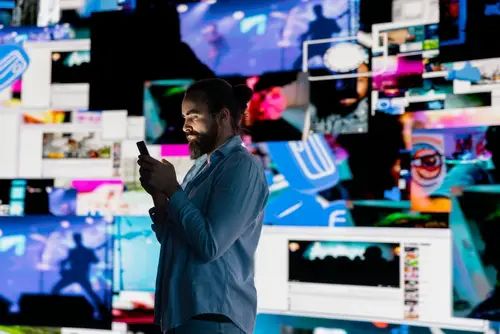
Scrolling through social media constantly exposes us to curated snapshots of other people’s lives. When your casual conversation pales in comparison to someone’s Instagram story or viral post, it can feel inadequate. That pressure to match up to idealized experiences seeps into real-life interactions. Small talk becomes a silent competition for relevance or excitement.
Moreover, social media has accelerated the pace of information and opinions. Jokes, pop culture references, and trending topics come and go in days. Staying current enough to engage in small talk requires energy and attention. By the time you get to the conversation, it’s already exhausting just to catch up.
4. Work-from-Home Burnout Changes Social Energy

Remote work has reduced spontaneous interactions that naturally build conversational momentum. Without quick chats at the coffee machine or hallway hellos, small talk becomes a conscious effort. Re-entering social spaces now requires more energy because you’ve been largely isolated. Casual conversation no longer comes naturally—it has to be scheduled and performed.
On top of that, video calls add their own fatigue. Constantly monitoring your facial expressions and listening through lag can make you socially drained before any real conversation even begins. The mental energy required to maintain engagement is much higher than before. By the time an actual in-person chat happens, it feels exhausting instead of refreshing.
5. Anxiety About Saying the “Wrong” Thing

Many Americans feel that even minor missteps in conversation could lead to judgment or offense. This anxiety isn’t new, but it’s heightened by a culture hyper-aware of social sensitivity. That makes small talk feel like walking a tightrope rather than a friendly exchange. You end up self-editing constantly, which is exhausting.
Even seemingly harmless topics, like hobbies or family life, can trigger subtle concerns. Are you oversharing? Are you being too casual? These questions loom over every interaction. As a result, people may stick to bland, formulaic conversation that drains rather than energizes.
6. Overstimulation From Constant Connectivity

Phones, notifications, and endless messaging have rewired attention spans. Our brains are used to constant input, which paradoxically makes small talk feel slow or tedious. When you finally engage in a face-to-face chat, the brain craves stimulation beyond the surface-level discussion. That gap makes ordinary conversation feel more tiring than it should.
Even when we try to focus, multitasking is often unavoidable. People check their phones mid-chat, scan emails, or think about what’s next on their agenda. That divided attention makes genuine engagement harder and more draining. Small talk used to be an energy boost; now it’s a small cognitive workout.
7. Cultural Shifts in Politeness

Traditional social niceties in America, like asking about the weather or weekend plans, have lost some of their charm. They can feel perfunctory or awkward because people are less certain about how to respond. Cultural norms have shifted, leaving a gray area between politeness and authenticity. People spend more energy reading subtext than enjoying the conversation itself.
This shift can make interactions feel less predictable and more stressful. A simple greeting might now come with an unspoken question: “Do they really care or are they just being polite?” That uncertainty forces people to stay mentally alert, rather than relaxing into a chat. The result? Social exhaustion from even brief encounters.
8. Mental Load From Daily Life

Modern life is busy, and most people carry a lot of mental load from work, family, and personal responsibilities. Entering a small talk exchange requires diverting focus from these pressing thoughts. That can make even friendly banter feel like an extra chore. Conversations that used to be effortless now demand energy that many simply don’t have.
Moreover, juggling multiple responsibilities makes patience thinner. If you’re worried about deadlines, errands, or family needs, small talk may feel trivial or frustrating. This mental fatigue amplifies the exhaustion of social interaction. The more life weighs on you, the heavier casual conversation feels.
9. Rapidly Changing Social Norms
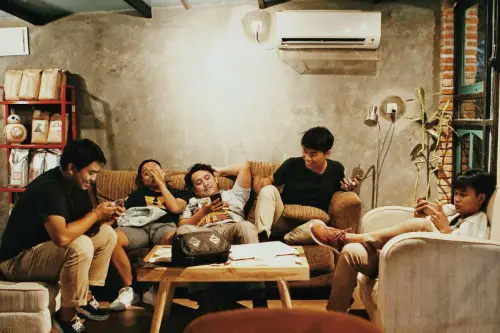
Norms around race, gender, identity, and personal boundaries are evolving quickly. People may worry about inadvertently offending someone or using outdated language. This creates a constant background stress that colors even mundane exchanges. Small talk no longer feels neutral—it feels like navigating a minefield of evolving rules.
Learning to adapt is exhausting because the rules are often implicit. You have to read cues, guess preferences, and self-censor constantly. The effort required to avoid social faux pas turns simple conversation into a task. No wonder brief chats can feel mentally draining.
10. Introversion Is More Recognized

People who identify as introverts are more aware of how draining social interactions can be. In a culture that still often celebrates extroversion, small talk can feel like a high-stakes performance. There’s pressure to “participate” even when it’s mentally taxing. That recognition of personal limits highlights how exhausting seemingly ordinary interactions can be.
Introverts may overthink what to say or feel guilty for needing downtime afterward. They often expend energy masking their fatigue to fit social expectations. Small talk, for them, is not relaxing—it’s a strategic effort. The rise in awareness simply makes it easier to notice how tiring it truly is.
11. Emotional Labor Has Become Invisible

Maintaining a friendly demeanor while managing one’s own stress is emotional labor, and small talk often demands exactly that. People are expected to appear cheerful, polite, and engaged even when they’re mentally drained. This unrecognized labor adds a layer of fatigue to every casual interaction. Conversations that used to be lighthearted now carry hidden energy costs.
The result is cumulative exhaustion. Each brief social exchange contributes a small, often invisible, drain on emotional reserves. When compounded over a day of interactions, it can feel overwhelming. That’s why small talk in America increasingly feels less like fun and more like work.
This post Why Small Talk in America Feels So Exhausting These Days was first published on American Charm.

