
1. San Francisco, California
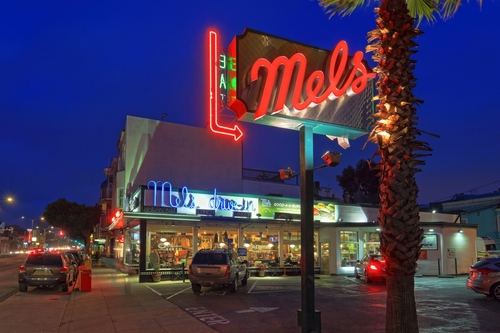
Renting in San Francisco often feels like paying for a dream you can’t quite reach. The city’s rent prices are some of the highest in the country, with average one-bedroom apartments regularly surpassing $3,500 a month. Even small studios can eat up a huge chunk of your paycheck, leaving little room for savings. On top of that, the tech-driven housing demand makes it nearly impossible to negotiate or find a deal.
The problem isn’t just cost—it’s scarcity. Space is limited, so apartments are often tiny or in older buildings with maintenance issues. Many renters find themselves bidding against dozens of applicants, which adds stress and uncertainty. Long-term stability is rare, and even minor rent hikes can force people to move multiple times in a few years.
2. New York City, New York
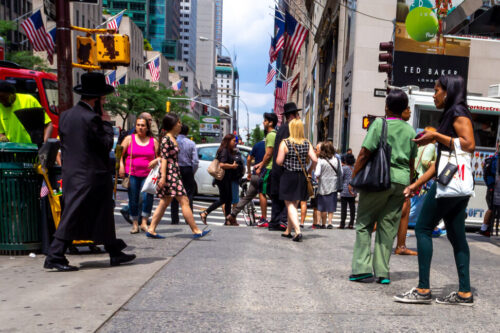
New York City is iconic, but renting here can feel like running in place. Even modest one-bedroom apartments in outer boroughs can cost over $2,500 monthly, and Manhattan units often exceed $4,000. High rent is paired with stiff competition, so securing a lease can feel like winning a lottery ticket. Many renters end up in tiny spaces with little natural light just to stay within budget.
Beyond cost, the rental market in NYC is notorious for hidden fees. Brokers, application fees, and security deposits can add thousands upfront. Evictions and sudden rent hikes are stressful realities for many residents. The combination of cost, competition, and unpredictability creates a sense that you’re trapped in the system.
3. Los Angeles, California
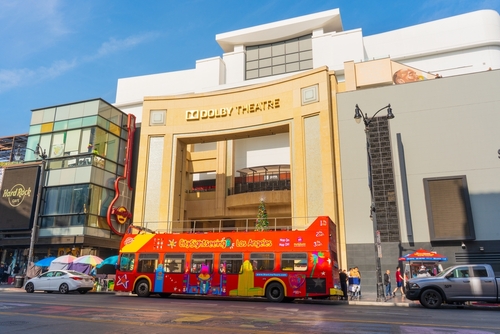
Los Angeles is synonymous with opportunity, but renting here often comes with sticker shock. Median rents for a one-bedroom hover around $2,200, but areas close to jobs and entertainment can be much higher. Traffic and long commutes can eat into the time you gain from living “closer” to work. Many renters trade convenience for affordability, but even then, housing costs are overwhelming.
The city’s sprawling layout compounds the problem. Renters often feel stuck choosing between high rent or sacrificing amenities and safety. Apartment quality varies, and older units can have maintenance problems or lack modern appliances. On top of that, rent increases are frequent, making long-term planning difficult.
4. Boston, Massachusetts
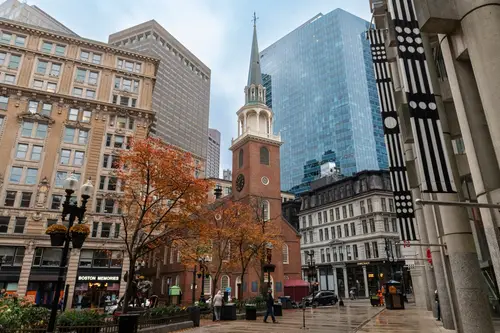
Boston’s historical charm comes with a modern rental headache. One-bedroom apartments in the city often range from $2,000 to $2,800 per month, depending on the neighborhood. Older buildings are common, which means maintenance issues and heating costs in the winter can add up. Many renters feel squeezed between the city’s strong job market and limited affordable housing.
The city’s neighborhoods are notoriously competitive. Proximity to universities and hospitals drives up demand, forcing renters into bidding wars. Long-term leases are rare, and month-to-month renting can make people feel unstable. These factors combine to make even a short stay feel financially suffocating.
5. Seattle, Washington
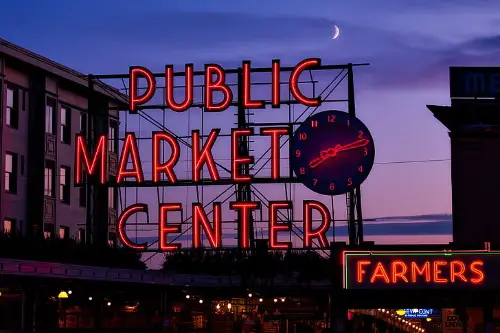
Seattle attracts tech workers, but renting here can feel like a financial trap. One-bedroom apartments in popular neighborhoods often cost $2,000 or more, and the tech boom has accelerated rent growth. Public transportation exists, but many neighborhoods still require a car, adding commuting costs. Renters frequently find themselves paying high prices for smaller or older apartments.
The city’s weather doesn’t help morale either. Long, rainy winters make staying in a cramped apartment feel even more confining. Competition for units is intense, especially near tech hubs and downtown. Many residents report feeling like they’re stuck in an endless cycle of rent increases.
6. Miami, Florida

Miami is famous for beaches and nightlife, but renting here can be surprisingly punishing. One-bedroom units in trendy areas like Brickell or Wynwood often start around $2,000 monthly. Hurricane risk and high insurance costs can make renters feel vulnerable financially. Many residents end up compromising on location or safety just to afford rent.
The city also experiences seasonal rent fluctuations. Snowbirds and vacation rentals create spikes in demand, raising costs even further. Older buildings sometimes have mold or other maintenance issues, adding hidden headaches. These factors combine to make Miami’s rental market feel unstable and overwhelming.
7. Washington, D.C.
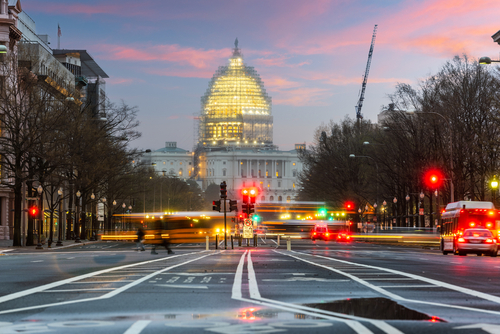
Renting in D.C. comes with high stakes for residents chasing a career in government or politics. One-bedroom apartments in central neighborhoods often range from $2,000 to $3,000 per month. Even modest units can require months of income upfront for deposits and fees. The market’s competitive nature makes finding something suitable feel like a full-time job.
Neighborhoods far from work can be more affordable, but commuting adds time and stress. Older buildings dominate, meaning renters often deal with outdated systems or unreliable maintenance. Many people report feeling locked into long leases because moving is so costly. The combination of cost, logistics, and limited options keeps renters feeling trapped.
8. Denver, Colorado
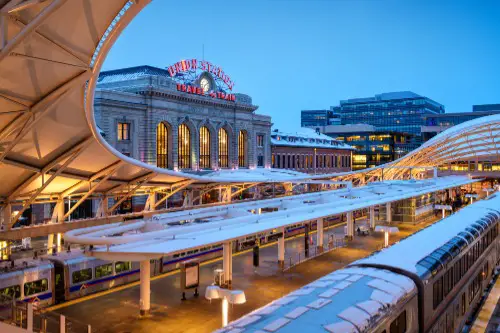
Denver’s outdoor lifestyle is appealing, but renting here comes with financial tension. Average one-bedroom rents hover around $1,800 to $2,200, which is steep compared to local wages. Rapid population growth has driven demand up, outpacing housing supply. Many renters find themselves competing for small, older units just to stay in trendy neighborhoods.
The cost isn’t the only issue—quality can be inconsistent. Newer developments are expensive, while older units often have outdated appliances or lack air conditioning. Renters frequently see annual hikes that outpace wage growth. Even with good neighborhoods and amenities, the feeling of being trapped is common.
9. Austin, Texas
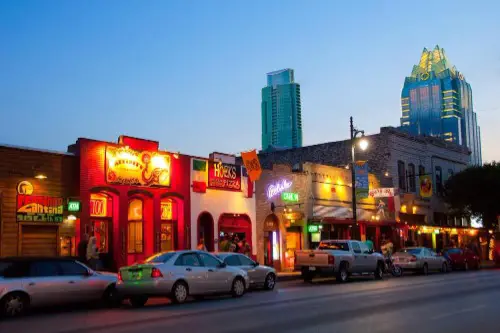
Austin has become a tech magnet, but renting here can feel like an endless uphill battle. Average rents for one-bedroom apartments range from $1,600 to $2,000, and trendy districts often exceed that. The city’s popularity has created bidding wars and long waiting lists. Many residents feel stuck paying high prices without much leverage.
Gentrification adds another layer of frustration. Neighborhoods that were affordable a few years ago have seen rapid price increases. Older homes converted into apartments often lack modern comforts. Renters frequently juggle cost, location, and quality with no perfect solution.
10. Portland, Oregon
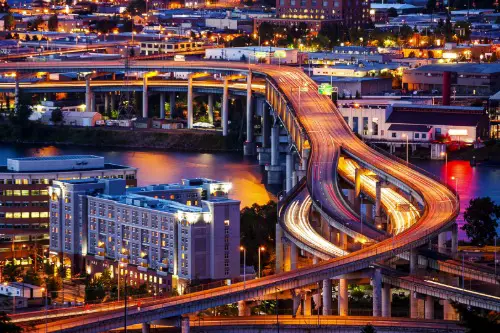
Portland is beloved for its culture and greenery, but renting here can feel like a compromise at every turn. One-bedroom apartments average $1,500 to $2,000, with higher prices in central neighborhoods. Limited inventory and zoning restrictions keep demand high, creating competition. Many renters end up paying top dollar for less-than-ideal spaces.
Older buildings dominate the market, often requiring renters to deal with maintenance issues or small layouts. Neighborhoods with amenities like transit or grocery stores command premium rents. Rent hikes are frequent, and the market shifts quickly. These factors leave residents feeling financially hemmed in.
11. Chicago, Illinois
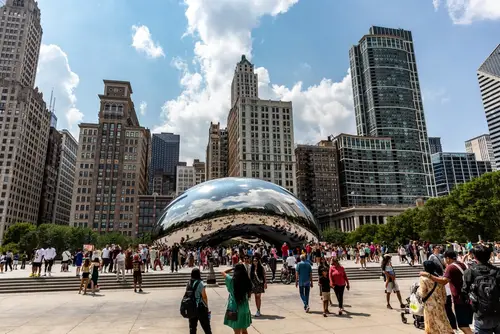
Chicago offers city life without coastal prices, but renting can still feel limiting. One-bedroom apartments downtown average $1,800 to $2,200, while safer neighborhoods further out may cost the same once commuting is factored in. Older buildings are common, which means less energy efficiency and higher utility bills. Renters often struggle to find balance between cost, safety, and convenience.
The city’s rental market is also highly competitive during peak times. College graduates and young professionals compete for similar units, driving up costs. Lease terms can be strict, and landlords sometimes increase rent sharply. Many renters feel trapped by location needs and budget constraints.
12. Honolulu, Hawaii
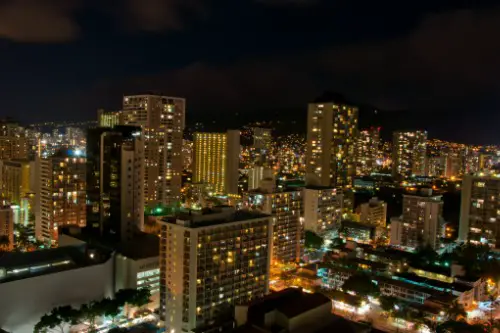
Honolulu is paradise, but renting here often feels like financial quicksand. One-bedroom apartments in desirable neighborhoods often exceed $2,500 per month, and limited supply keeps prices high. Geographic isolation makes moving or finding alternatives expensive. Many residents feel stuck paying premium rent just to stay on the island.
The market is skewed toward short-term rentals catering to tourists, which drives up demand for local renters. Older buildings are prevalent, sometimes lacking air conditioning or modern amenities. Utility costs are also higher due to Hawaii’s energy prices. Combined, these factors create a sense of being trapped despite living in a beautiful location.
This post Why Renting in These Places Feels Like a Trap was first published on American Charm.

