
1. Boston
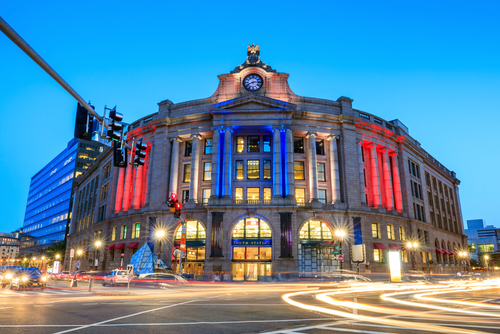
Boston combines historic charm with stubbornly high rents. A dense student population competes for apartments every fall. That predictable surge keeps vacancy low and prices elevated. Even older walk ups near transit command premium rates.
The region’s strong biotech and tech sectors support higher price points. But not every renter works in those industries. When median one bedroom rents sit well above $2,500 in many areas, affordability narrows fast. It can seem like you’re paying Ivy League prices without a campus salary.
2. Los Angeles
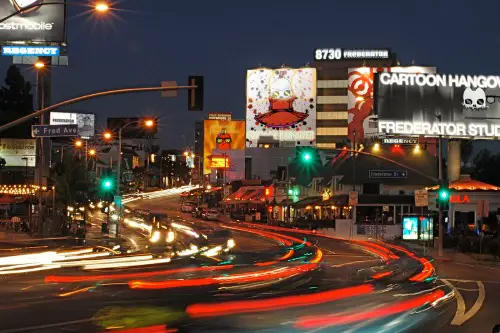
In Los Angeles, car dependence quietly inflates the cost of renting. Rents are high across neighborhoods from Santa Monica to the Valley. But you also have to budget for gas, insurance, parking, and time lost in traffic. That combination stretches monthly expenses beyond the lease itself.
Zoning limits and years of underbuilding have kept vacancy rates tight. Landlords can raise rents significantly between tenants under state rules. Wildfire risk and rising insurance premiums add pressure to the broader housing market. It can feel like every year gets more expensive no matter how far you move out.
3. San Francisco
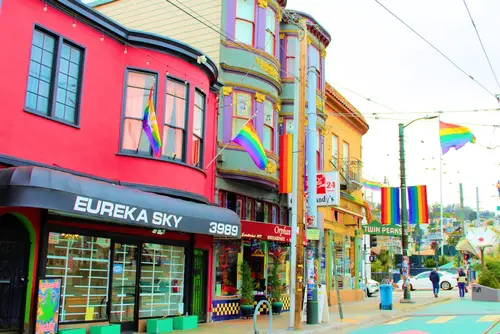
San Francisco has long been a symbol of sky high housing costs. Tech driven demand pushed rents to record levels before the pandemic and they have rebounded in many neighborhoods. Even with rent control on older buildings, turnover often resets prices dramatically. Studios regularly list for amounts that rival mortgages elsewhere.
The city’s small size and strict building rules limit new supply. High local wages mean landlords price units for top earners. If you’re not in that income bracket, half your paycheck can disappear on the first of the month. That imbalance makes long term renting feel unsustainable.
4. Miami
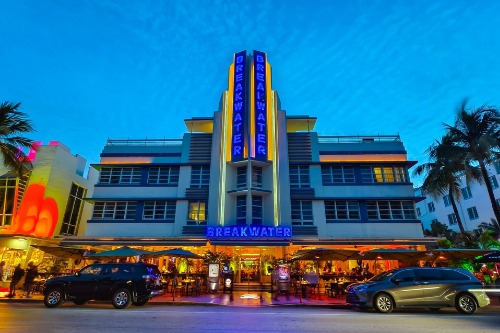
Miami’s rental market has surged in recent years. An influx of remote workers and new residents drove double digit rent increases in 2021 and 2022. Wages in many local industries have not kept pace. That gap leaves longtime renters squeezed.
Florida’s limited tenant protections allow relatively quick rent hikes and lease terminations compared with some other states. Insurance costs tied to hurricane risk ripple through property expenses. Seasonal demand and short term rentals reduce available long term units. For many residents, stability feels fragile from one renewal to the next.
5. New York City
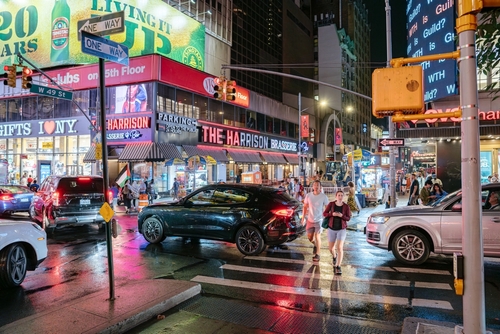
In New York City, the rent rarely blinks first. Median asking rents in Manhattan and Brooklyn routinely hover at levels that swallow a huge share of take-home pay. Even stabilized units can come with intense competition and strict qualification rules. If you’re market rate, bidding wars are not uncommon.
Add broker fees that can equal a month’s rent and the upfront costs feel punishing. Space is tight, so roommates are often a necessity well into your thirties. When a basic one bedroom can top $3,000 a month, saving for a down payment feels abstract. It’s easy to feel like you’re running hard just to stand still.
6. Seattle
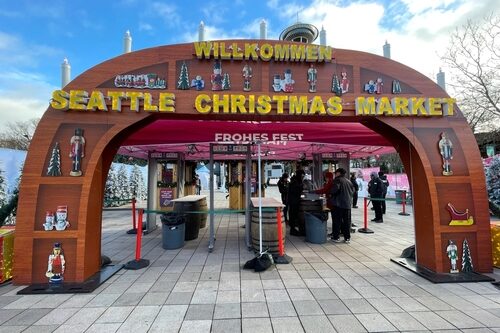
Seattle’s growth over the past decade transformed its rental landscape. Major employers expanded and thousands of new residents arrived. Although construction increased, demand often outpaced supply in close in neighborhoods. Rents climbed sharply as a result.
Washington has no state income tax, but housing costs absorb much of that advantage. Tech salaries set a high bar for what landlords expect. Smaller landlords also face rising property taxes and pass costs along. Renters can feel caught between prosperity and price pressure.
7. Austin
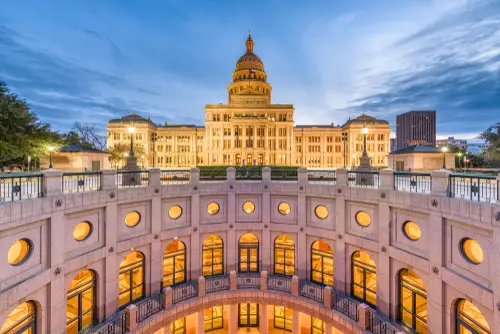
Austin became one of the fastest growing big cities in the country. During the pandemic boom, asking rents spiked at some of the highest rates nationwide. New luxury buildings reshaped the skyline. Yet affordability for service workers lagged behind.
Texas property taxes are high, and those costs influence rental pricing. While rents cooled slightly after their peak, many leases remain far above pre 2020 levels. Wages have not uniformly caught up. For newcomers and locals alike, the math can still feel tight.
8. Denver
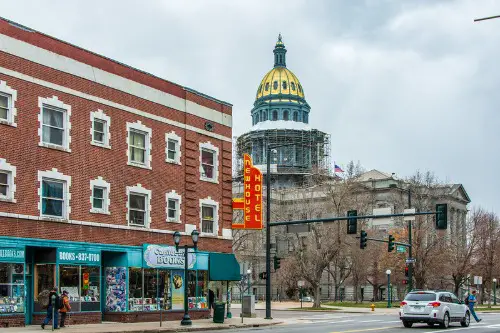
Denver’s outdoor appeal has drawn steady migration. Limited land and zoning constraints near the urban core restrict density. As demand rose, so did average rents. Even suburban options are no longer bargains.
Colorado allows rent increases with proper notice and has fewer controls than some coastal states. Investors have been active in the single family rental market. That competition can push prices beyond what first time buyers might afford. Renters may feel locked out of ownership while still paying premium rates.
9. Nashville
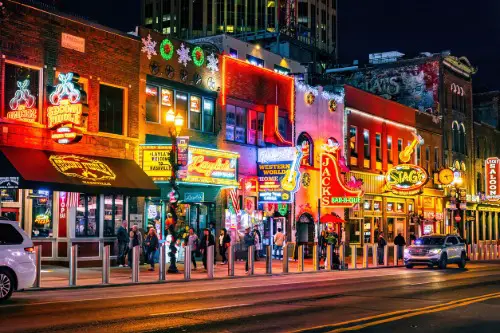
Nashville’s explosive growth changed its housing dynamics. A booming tourism sector and corporate relocations increased demand for apartments. Short term rentals reduced long term inventory in some neighborhoods. Rents responded by climbing quickly.
Tennessee has relatively landlord friendly laws compared with some other states. Rapid development has focused heavily on upscale units. Lower cost options are harder to find close to downtown. For many residents, renting feels like paying luxury prices for basic stability.
10. Phoenix
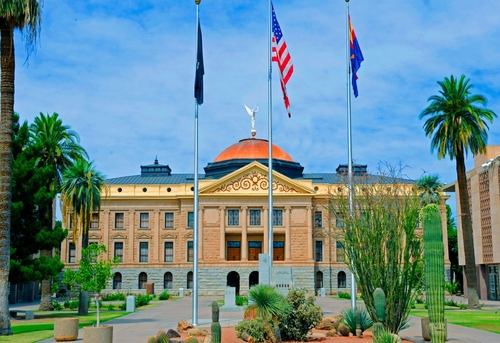
Phoenix saw some of the steepest rent increases in the nation during the early 2020s. An influx of new residents and investors intensified competition. Single family homes converted to rentals became more common. Prices rose faster than local incomes in many sectors.
Arizona does not cap rent increases statewide. Summer utility bills can also be punishing due to extreme heat. When housing and air conditioning both strain your budget, relief is hard to find. It can feel like the desert climate applies to your savings too.
11. Atlanta
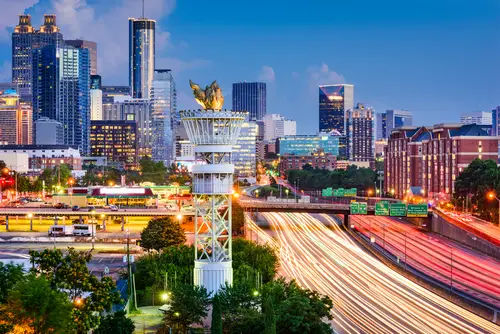
Atlanta offers a lower cost of living than some coastal hubs, but rents have climbed steadily. Population growth and corporate expansions have boosted demand. In popular intown neighborhoods, new developments skew upscale. That shift nudges average asking rents higher.
Georgia law does not impose statewide rent control. Large corporate landlords own a significant share of rental homes in parts of the metro area. Fees and add ons can inflate the advertised price. Renters may feel they have limited leverage in a fast moving market.
12. Washington, D.C.
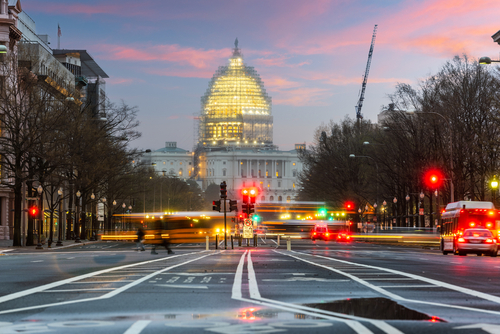
Washington, D.C. blends government stability with high housing costs. Strong demand from federal workers, contractors, and advocacy groups keeps the rental pool competitive. Even with local rent stabilization on certain buildings, market rate units command steep prices. Studios often exceed what entry level public servants expect.
Limited land and height restrictions constrain new supply. Desirable neighborhoods near Metro stations carry significant premiums. When a large share of income goes to rent, saving amid the city’s high cost lifestyle is difficult. It can feel like your paycheck is calibrated to Capitol Hill, not your bank account.
13. Honolulu
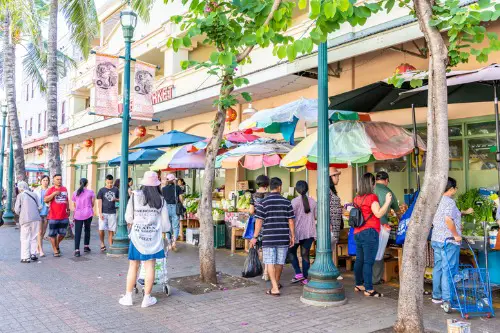
Honolulu consistently ranks among the most expensive rental markets in the country. Geographic isolation limits housing supply. Shipping costs and land scarcity push construction expenses higher. Those factors translate directly into elevated rents.
Tourism and military presence add steady demand. Wages in many local industries trail mainland metros with similar rent levels. Everyday goods also cost more, compounding the burden. Renting in paradise can feel like paying a premium for every square foot.
14. Chicago
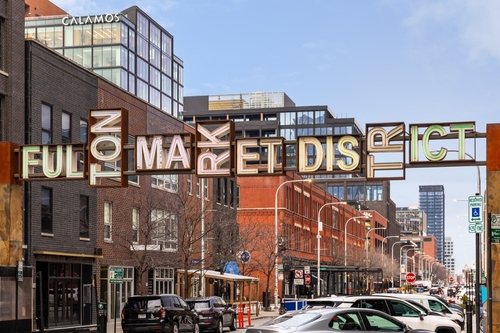
Chicago is often seen as more affordable than New York or San Francisco. Yet rents in popular neighborhoods have risen notably in recent years. Property taxes and building maintenance costs are substantial. Landlords factor those expenses into lease rates.
Illinois does not allow rent control statewide. Winter heating bills add to the true monthly cost of an apartment. While you may get more space than on the coasts, prices can still outpace wage growth. For many renters, the city feels affordable until the full bill comes due.
This post Why Renting in Certain Cities Feels Like a Trap was first published on American Charm.

