
1. Streaming Services Are Mining the Past
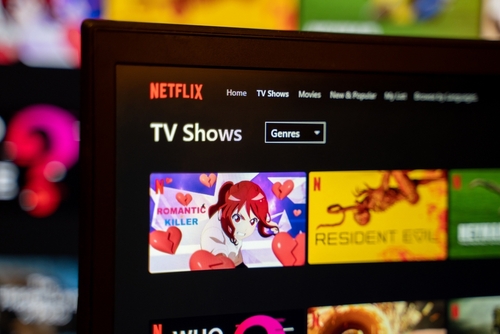
Every major streaming platform in 2026 is leaning heavily on reboots, sequels, and spin-offs of shows and movies from the ’80s, ’90s, and early 2000s. Audiences are drawn to the comfort of familiar characters and storylines, which feel safer than experimental new content. This trend has created a feedback loop: nostalgia drives viewership, and viewership drives more nostalgic content. Even shows that flop initially often find a second life because of the sentimental attachment people have to the brand or franchise.
It’s not just about the content itself—it’s also the marketing. Trailers, posters, and social media campaigns now reference original actors, catchphrases, or iconic moments to trigger emotional recognition. People don’t just watch the shows—they share them with friends, reminisce online, and debate small details. This makes nostalgia a powerful, measurable tool in media strategy.
2. Video Games Are Returning to “Golden Eras”
Gaming companies in 2026 are remastering consoles’ most beloved titles, sometimes decades old, rather than only investing in entirely new franchises. Gamers are eager to revisit pixelated classics or experience modern graphics on games they loved as teens. The emotional pull of nostalgia keeps players engaged far longer than brand-new titles often do. Even competitive esports tournaments now feature retro games to attract both old-school fans and curious new players.
This revival isn’t just about gameplay—it’s about community. Forums, fan art, and social media groups dedicated to older games have surged in activity. Nostalgia transforms gaming from a solitary hobby into a shared cultural experience. By tapping into these memories, companies extend the lifespan and profitability of older intellectual properties.
3. Fashion Loves a Throwback

2026 streetwear and high fashion alike are mining decades-old styles, from ’90s cargo pants to early 2000s low-rise jeans. People are mixing retro pieces with contemporary looks, creating hybrid outfits that feel both nostalgic and fresh. Retailers market these items by evoking the era they came from, reminding buyers of formative years or iconic pop culture moments. Nostalgia here is not just aesthetic—it’s an emotional currency that retailers can monetize.
This isn’t limited to clothing brands. Accessories, sneakers, and even tech-inspired wearable items reference past decades. Fashion shows and ad campaigns deliberately play on memory, with music, colors, and logos that resonate with particular age cohorts. The cycle proves that nostalgia can influence not just what people wear, but how they feel about it.
4. Music Is a Time Machine
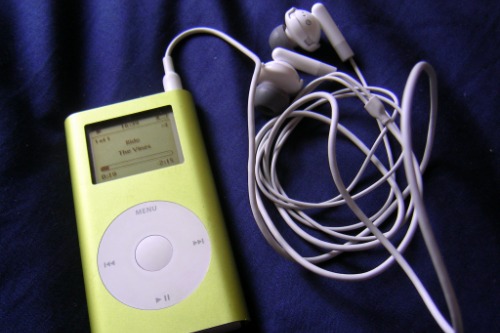
In 2026, playlists, radio rotations, and TikTok trends often feature songs from 20–30 years ago, sometimes with modern remixes or viral dance challenges. Audiences enjoy hearing songs tied to personal memories, from high school dances to first concerts. Streaming algorithms also prioritize older tracks because they generate more repeat listens and emotional engagement. Even new artists sample old hits heavily, knowing that the nostalgia factor can accelerate chart success.
Music festivals and tribute concerts capitalize on the same principle. Fans are willing to pay premium prices to see artists they grew up with or to experience a full ‘throwback’ event. Nostalgia keeps the music industry buoyant even when the pipeline for fresh, widely beloved hits slows. Emotional resonance, more than innovation, is driving ticket sales and streaming numbers alike.
5. Food and Beverage Marketing Is Retro-Focused
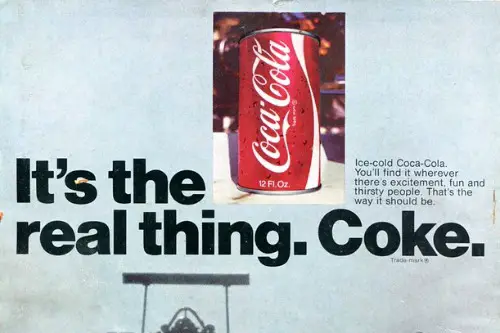
Snack brands and beverage companies are relaunching discontinued flavors and packaging from previous decades, playing directly to consumers’ memories. Limited-edition campaigns create excitement and a sense of urgency, as buyers rush to recapture tastes from their past. Nostalgia is a low-risk way to differentiate products in a crowded market. Millennials and Gen Z, who grew up with certain brands, become instant evangelists for these revived products.
Restaurants and bars follow suit with menu items inspired by decades-old trends. Think glow-in-the-dark cocktails, diner-style sandwiches, or soda floats designed to evoke childhood summers. Social media amplifies the trend, as people share their experiences online. The emotional payoff is immediate and measurable in sales.
6. TV Commercials Are Time Capsules
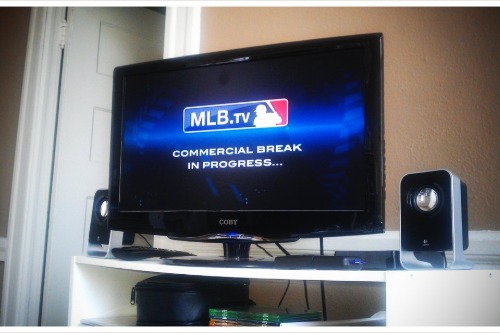
Ad campaigns increasingly recycle jingles, logos, and themes from decades ago. This works because people retain long-term memory of even short brand experiences, making them more likely to respond positively. Brands use nostalgia as a shortcut to trust—if a product reminds someone of their childhood, they’re more inclined to buy. In 2026, these campaigns often combine retro visuals with contemporary humor or social messaging.
This strategy extends beyond food and fashion. Automotive, tech, and even finance industries lean on nostalgic branding to humanize corporate messaging. Social media allows fans to amplify the effect by tagging friends and sharing memories. Nostalgia becomes not just a marketing tactic but a community-building tool.
7. Theme Parks Are Rewriting Their Histories
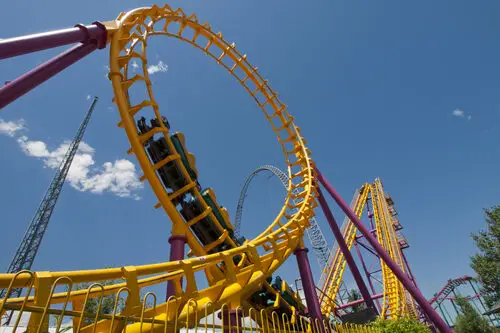
Major theme parks in 2026 emphasize rides, attractions, and shows based on decades-old franchises. People want to relive childhood visits, not just experience new thrills. Disney, Universal, and regional parks all lean heavily into intellectual property from the ’80s and ’90s. Nostalgia drives attendance, merchandise sales, and social media buzz in ways brand-new attractions rarely do.
This approach isn’t limited to rides. Entire park experiences—restaurants, parade themes, and interactive shows—reference older films or characters. Visitors often come with multigenerational groups, creating a shared memory-making experience. Nostalgia keeps the parks relevant across age groups.
8. Sports Are Selling the Classics
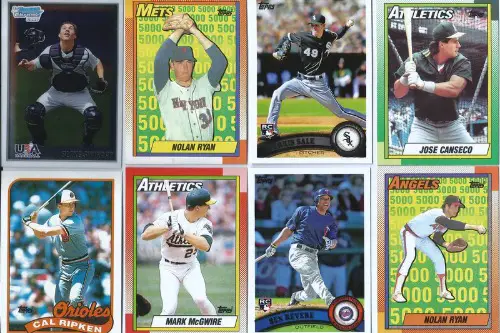
Beyond live games, sports leagues in 2026 heavily market highlight reels, retro jerseys, and anniversary commemorations of famous teams. Fans love reliving historic moments, which generate both engagement and merchandise revenue. Even fantasy leagues and e-sports versions of classic games draw heavily on historic stats and memories. Nostalgia keeps fan loyalty high, even during less successful seasons.
Social media amplifies the effect. Old games, viral plays, and player interviews are shared widely, sparking conversations among multiple generations of fans. The past becomes a content pipeline, sustaining attention and revenue year-round. Nostalgia ensures that even current events are framed in the context of history and memory.
9. Literature and Publishing Are Time-Travelling
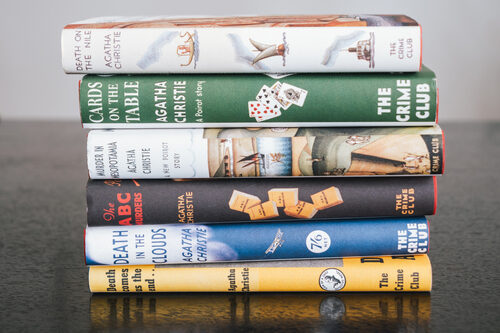
Books from the ’80s, ’90s, and early 2000s are being reissued with updated covers, annotations, or tie-ins to current media adaptations. Readers are drawn to familiar stories, especially when they evoke formative experiences. Classic titles can outsell brand-new releases simply by leaning on emotional resonance. Even new authors often reference or reimagine older works to capture that nostalgic connection.
Children’s literature also plays a role. Parents are buying books they loved as kids for their own children, creating a multigenerational loop of nostalgia. Marketing campaigns highlight these connections explicitly, showing readers “rediscovering” stories. In 2026, memory-driven reading is a reliable business model.
10. Home Decor Is All Retro Chic
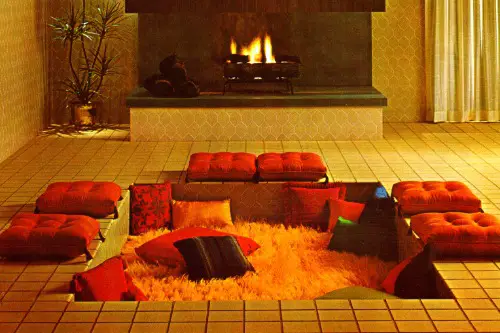
Interior design trends increasingly reference mid-century modern, ’80s Memphis patterns, or Y2K aesthetics. Consumers want surroundings that feel familiar, comforting, or stylishly “retro.” Nostalgia influences furniture choices, wallpaper, lighting, and even kitchen gadgets. Social media home tours highlight these throwback trends, encouraging followers to adopt them.
Even practical purchases like appliances get the nostalgic treatment. Toasters, refrigerators, and record players are sold with retro designs but modern functionality. People are buying not just objects, but the feelings associated with past decades. It’s a subtle, pervasive way that nostalgia shapes everyday life in 2026.
11. Social Media is a Memory Machine
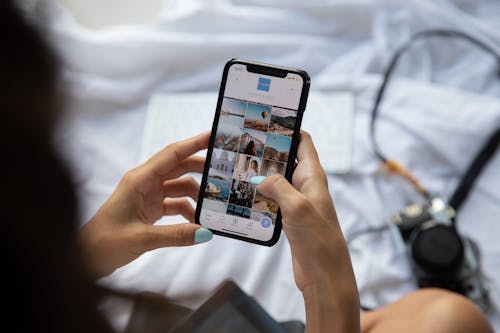
Platforms like Instagram, TikTok, and Threads actively prompt users to revisit old posts, recreate trends, or participate in throwback challenges. Algorithms reward content that references past pop culture, fashion, or memes. Users are drawn to these posts because they trigger shared memories and social connection. Nostalgia isn’t just emotional—it’s an engagement strategy that keeps users scrolling.
Even news and media organizations leverage nostalgia to attract clicks and shares. “Then vs. Now” or “Remember When” stories thrive because they tap into collective memory. Viral trends often cycle back decades-old ideas with a modern twist. In 2026, our digital lives are almost constantly framed through a nostalgic lens.
This post Why Nostalgia Is Doing All the Heavy Lifting in 2026 was first published on American Charm.

