
1. Rising Land Costs Force Developers to Shrink Homes
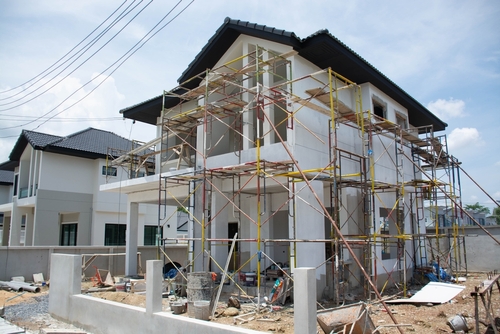
As urban land becomes more expensive, developers often respond by building smaller homes to maintain profitability. Every square foot adds cost, so cutting space becomes an easy lever. This is especially true in popular cities where demand is high, but land is scarce. Buyers may get a modern exterior, but the interior often feels cramped compared to older homes.
Smaller homes also mean developers can fit more units on a single plot, maximizing revenue. While this makes sense financially, it can reduce livability for families who need space. Kitchens are often downsized, closets shrink, and communal spaces feel tight. The trade-off between profit and comfort is baked into many new builds.
2. Local Zoning Rules Encourage Compact Units
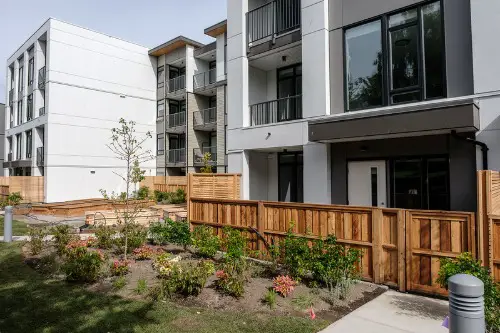
Zoning laws in many cities dictate how much land a home can occupy, often limiting lot sizes or overall square footage. This pushes builders toward smaller footprints, especially in dense neighborhoods. The laws are meant to control density, but they sometimes backfire by creating homes that feel claustrophobic. Many buyers are surprised to find a “single-family” home that feels closer to a townhouse.
Developers respond by cramming amenities into smaller areas, which can make layouts awkward. Open-concept designs can help, but they often can’t fully compensate for the lack of bedrooms or storage. Families find themselves sacrificing guest rooms or home offices. The result is a home that looks new but doesn’t function as well as older, larger houses.
3. Construction Materials and Labor Are Expensive
The cost of lumber, steel, and labor has risen sharply over the last decade. Builders often respond by reducing square footage rather than passing the entire cost to buyers. This means new homes are smaller but still come with the same price tags. Homebuyers may feel they are paying more for less space than previous generations did.
Labor shortages also play a role. Less skilled labor can make larger homes harder to build efficiently, pushing developers toward compact designs. Smaller homes are faster to construct and easier to manage on tight timelines. This efficiency is convenient for builders, but homeowners may feel shortchanged on space and livability.
4. Modern Homes Prioritize Looks Over Function
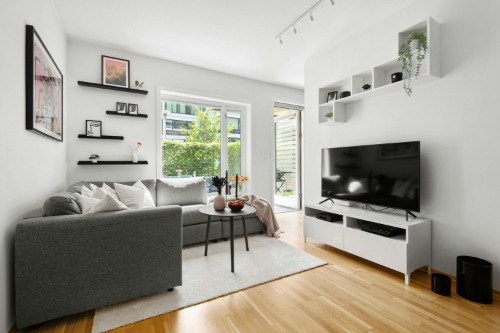
Many new constructions focus on curb appeal and Instagram-ready interiors. Sleek lines, large windows, and modern kitchens often take priority over practical layouts. While these features are attractive, they often come at the expense of storage and usable living space. Homeowners may find themselves with a “Pinterest-perfect” kitchen that lacks pantry room.
Bathrooms and bedrooms also suffer, as builders allocate more square footage to show-stopping spaces. A big island in the kitchen might dominate the room, leaving little space for everyday use. Hallways and closets shrink, making the home feel tight. Essentially, style wins over substance in many modern designs.
5. Energy Efficiency Standards Can Shrink Living Space

New energy codes encourage thicker walls, better insulation, and energy-efficient windows. While these upgrades save money on utilities, they can reduce interior square footage. Walls that would have been six inches thick in older homes are now a foot or more. That extra space might not seem like much, but it adds up over multiple rooms.
Builders often compensate by making the home’s footprint smaller rather than increasing costs. Heating, cooling, and lighting efficiency may improve, but homeowners pay in livable space. Rooms feel narrower, and storage can feel inadequate. Energy efficiency is good for bills and the environment but sometimes costs comfort.
6. Open Floor Plans Reduce Private Space
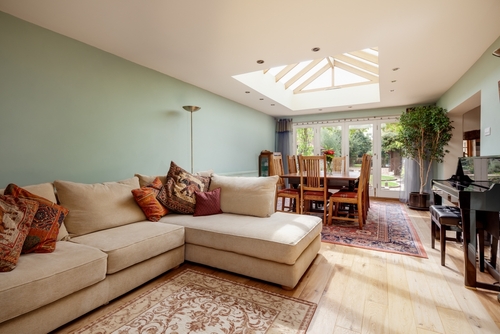
The trend toward open layouts removes walls between kitchens, dining rooms, and living areas. While this creates a sense of airiness, it can also make the home feel smaller in practice. Families who need privacy or quiet spaces often struggle with these designs. It’s common to see one shared living area serving multiple purposes.
Open plans can also limit storage options, as walls that might have held closets or shelves disappear. Furniture placement becomes trickier, and noise travels easily. Some families end up needing additional storage solutions or even renting extra space. The open-concept dream sometimes sacrifices everyday comfort.
7. Smaller Lots Mean Less Outdoor Space
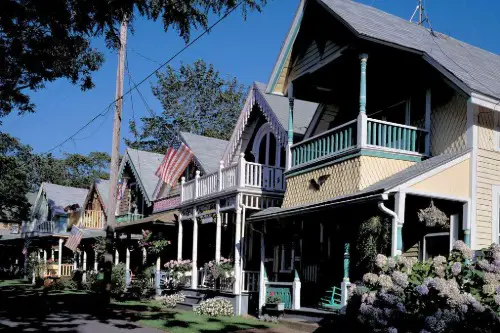
Even if the house itself is modern, the lot it sits on is often tiny. Front and backyards are shrinking in many new neighborhoods, especially near cities. Families who used to enjoy gardens or outdoor entertaining find themselves with minimal outdoor options. Side yards may be non-existent, and patios feel cramped.
This affects not only recreation but also utility. Kids have less space to play, pets have less room to roam, and homeowners may struggle to plant gardens. Community green spaces help, but private yards are a rarity in many developments. Outdoor living often becomes an afterthought in new construction.
8. Developer Incentives Favor Quantity Over Quality
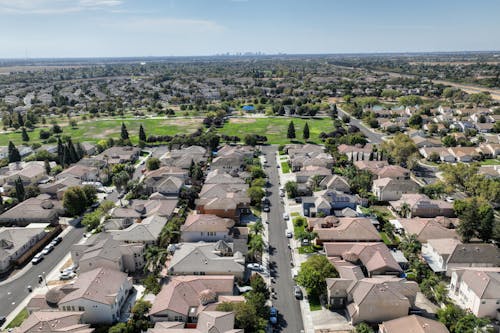
Developers are under pressure to sell units quickly, which encourages faster, smaller builds. The focus is often on volume rather than livability. This means every inch is calculated for efficiency and profit, not comfort. Buyers end up with homes that tick the right boxes on paper but feel tight in daily life.
Cost-cutting measures can also affect materials and layout decisions. For example, less durable flooring or smaller windows may be chosen to save money. Buyers may have to renovate sooner than they would in an older home. Essentially, speed and profitability take precedence over long-term livability.
9. Smaller Bedrooms Are Now the Norm
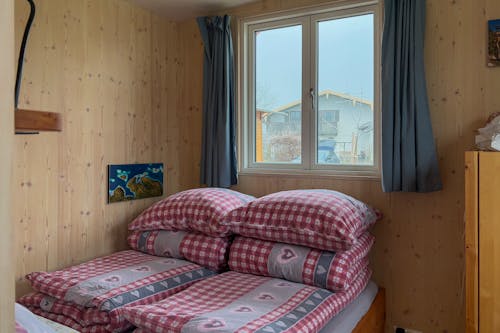
Bedrooms in new homes are shrinking, often under 12 feet wide. Closets are frequently just a walk-in for one person or a reach-in for two. This trend is a major source of frustration for families used to spacious sleeping areas. Older homes often provided more flexibility for furniture and personal belongings.
Builders argue that people spend less time in bedrooms than other areas, but that logic misses daily reality. Kids need space for study, hobbies, and sleep. Couples may feel crowded sharing smaller master bedrooms. Reduced bedroom sizes are a clear example of profit driving design.
10. Luxury Amenities Take Up Room

Features like oversized islands, spa bathrooms, or home gyms often consume space that could have gone to bedrooms or living areas. These amenities look appealing in listings and photos, but they shrink functional space elsewhere. The focus is on selling lifestyle rather than usable home. Buyers may find themselves with one impressive room and several cramped ones.
This trend is particularly noticeable in suburban developments marketed as “luxury.” Pools, entertainment nooks, and multiple bathrooms can dominate the floor plan. While they sound like perks, they leave little room for everyday family living. Homes feel luxurious but not always practical.
11. Trends Favor Minimalism Over Storage
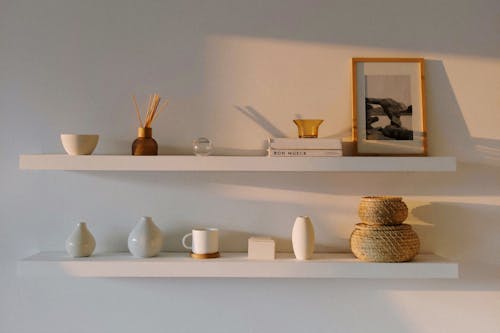
Modern design often emphasizes clean lines and minimal clutter. While aesthetically pleasing, this can leave homeowners scrambling for storage solutions. Closets, pantries, and garages are often smaller than in older homes. Families may need off-site storage just to keep daily life manageable.
Minimalist design can also affect furniture choices, forcing homeowners to buy smaller pieces. The result is a home that looks neat in photos but struggles under the weight of real-life living. Parents, pet owners, and hobbyists feel this trade-off most acutely. The modern minimalist trend sacrifices functional space for visual simplicity.
This post Why “New Construction” in America Often Means Smaller and Less Livable was first published on American Charm.

