1. Boulder, Colorado

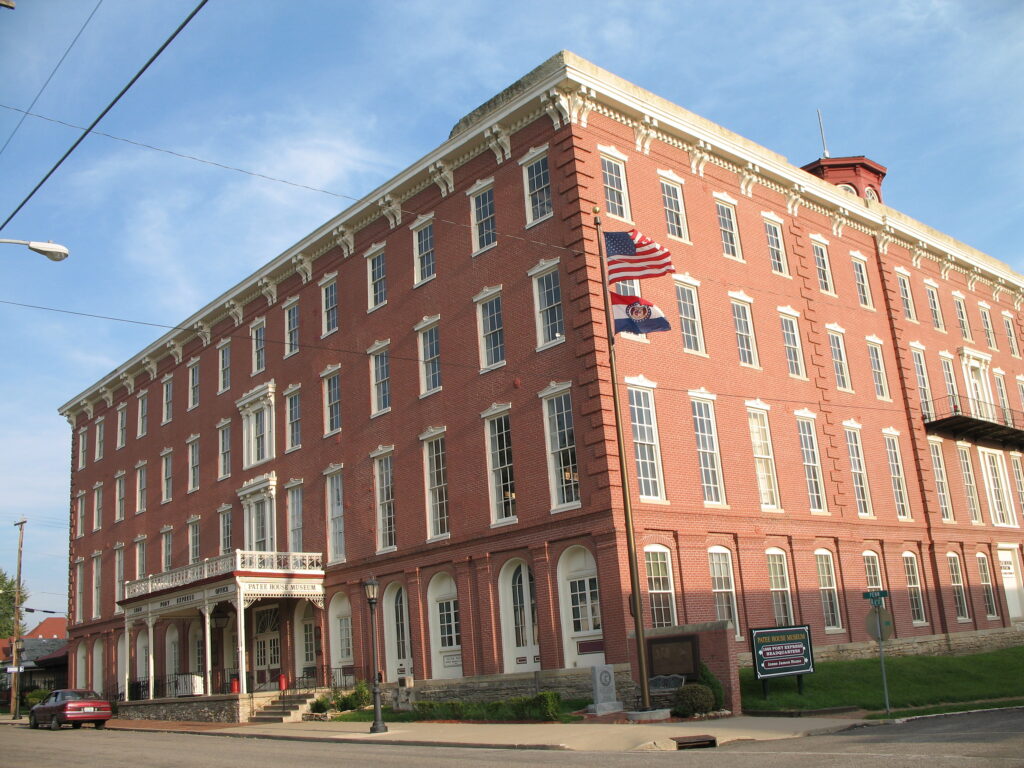
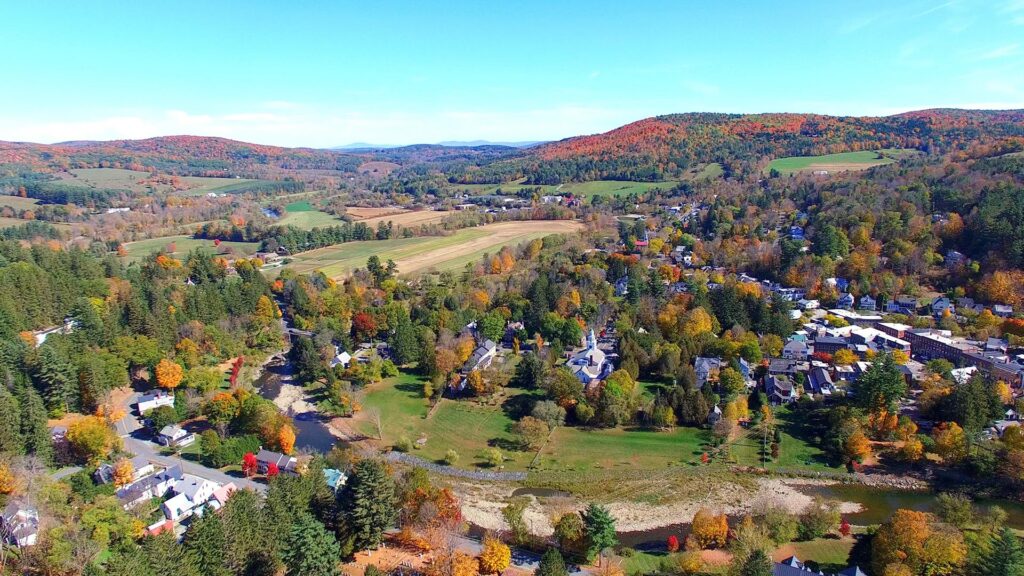
Boulder is marketed as an outdoor paradise, perfect for anyone chasing health and happiness. But the reality is that living there comes with a price tag few expect: housing costs are among the highest in the country. Outdoor enthusiasts quickly notice that crowded trails and packed ski slopes can dampen the sense of serenity they imagined. Even grocery shopping or grabbing a coffee can hit the wallet harder than anticipated.
The city’s progressive culture also brings its own challenges. Job opportunities outside of tech or academia can be limited, making it harder for newcomers to sustain the lifestyle they envisioned. Traffic congestion is worse than many expect, particularly during tourist season. For some, the combination of cost and accessibility makes the “healthy escape” feel more stressful than freeing.
2. Austin, Texas
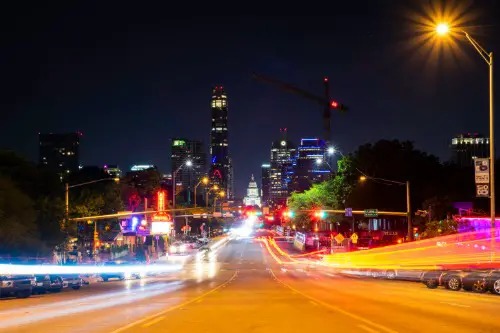
People flock to Austin dreaming of live music, tech jobs, and an affordable, quirky lifestyle. What many don’t realize is that the city’s growth has driven housing costs sky-high, leaving newcomers scrambling for rent that can rival major coastal cities. Traffic has become a daily headache, making the “laid-back vibe” feel more like bumper-to-bumper stress. And while the food and culture are amazing, the promise of a peaceful, cheap life often falls short.
Even the tech scene isn’t always the golden ticket newcomers expect. Competition is fierce, and salaries sometimes don’t stretch as far as anticipated once you factor in cost of living. The city’s popularity has also brought gentrification, changing neighborhoods that once felt authentic. For some, the charm of Austin comes with a heavy dose of reality they weren’t prepared for.
3. Miami, Florida
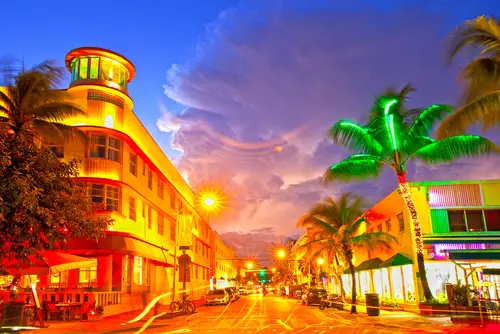
Miami attracts people looking for sun, beaches, and nightlife that never stops. But the extreme weather, including hurricanes and heavy flooding, can turn paradise into a source of anxiety. Rent and insurance costs are high, often offsetting the appeal of a beachside lifestyle. Additionally, the traffic is notoriously brutal, and public transit options are limited.
Cultural excitement comes at a cost too. Language barriers and economic disparity can make integration into the local community harder than expected. For those chasing a calm coastal life, the noise and pace of Miami can be jarring. Many find that the romanticized “party paradise” has hidden stressors that are easy to overlook.
4. San Francisco, California
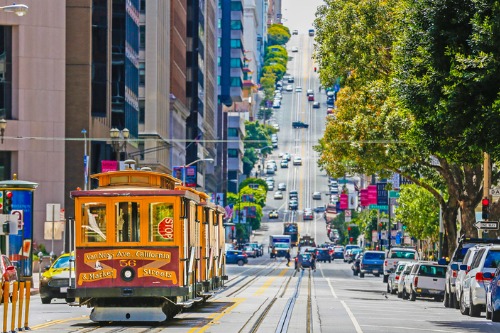
San Francisco has been a dream for tech workers and culture lovers alike. The city’s startup scene is thriving, but housing is astronomical, often consuming half of a new resident’s paycheck. Homelessness and visible inequality can also be a shock for those expecting an idealized urban utopia. Daily life is punctuated with high costs for everything from groceries to parking.
Even tech jobs don’t guarantee relief from stress. Long commutes from more affordable areas and the competitive job market add pressure. The iconic fog and hilly streets, romantic on Instagram, can become exhausting in daily life. Many quickly realize that the lifestyle they imagined is significantly more expensive and complicated than they anticipated.
5. Portland, Oregon
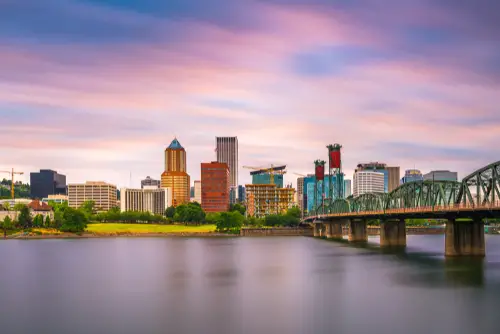
Portland is often sold as the ultimate hip, eco-conscious city with craft coffee and artisanal everything. But newcomers find that the city’s quirky charm comes with unexpected challenges like rising rents and increasing homelessness. Traffic congestion has worsened as the population grows, making biking or driving less enjoyable. The city’s reputation for calm, progressive living can feel disrupted by social tensions and protests.
Job opportunities outside creative or tech industries are limited, which can frustrate newcomers hoping for career growth. The rainy weather, while scenic, can also weigh on mental health for those expecting perpetual outdoor adventures. Many are surprised by the city’s economic disparities despite its trendy, “laid-back” image. Portland’s aesthetic charm doesn’t always translate to day-to-day ease for everyone.
6. Nashville, Tennessee
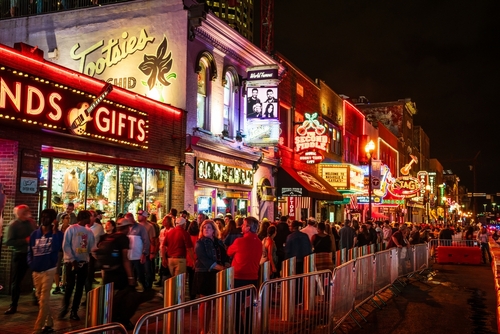
Nashville has become a magnet for music lovers and people chasing Southern charm. However, the influx of newcomers has sent housing prices soaring, making the city less affordable than anticipated. Traffic congestion is another hidden downside, especially on the increasingly busy roads surrounding downtown. The city’s nightlife and entertainment, once seen as a perk, can feel overwhelming for those expecting quiet suburban living.
Job markets outside of entertainment and healthcare are competitive, making career stability uncertain. Some newcomers are surprised by the city’s cultural gaps, including a slower pace in public services and limited public transit. The promise of a tight-knit community often clashes with rapid urban growth. For many, Nashville’s charm is real but comes with hidden logistical headaches.
7. Seattle, Washington
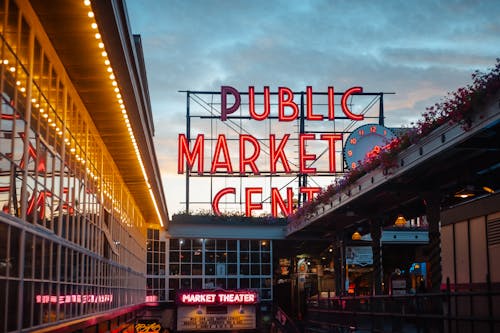
Seattle is famous for coffee, tech jobs, and scenic views. Yet newcomers often struggle with high rent, heavy traffic, and a notorious rainy climate. The tech industry’s allure is offset by intense competition and cost-of-living pressures. Even weekend hikes or city strolls can be crowded, diminishing the sense of escape that many expect.
The city also grapples with homelessness and growing social inequality, which can be shocking to new residents. Public transit is improving but still falls short for many commuters. Seattle’s iconic vibe doesn’t automatically translate into ease of living. Many discover that the city’s beauty and opportunities come with hidden day-to-day stresses.
8. Los Angeles, California
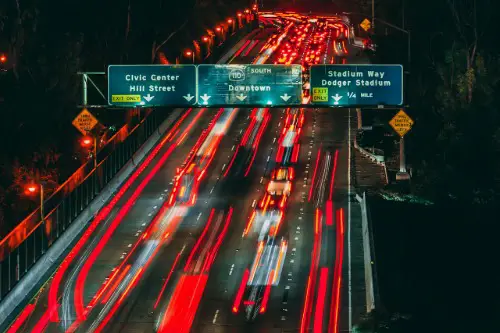
LA is irresistible for those dreaming of fame, culture, and endless sunshine. The reality includes long commutes, sky-high rent, and traffic that can eat up hours daily. Job opportunities outside entertainment or tech can be slim, making financial stability challenging. Even the weather, while pleasant, comes with droughts, wildfires, and smog.
The glamor often hides social isolation; despite millions of residents, forming close community connections can be surprisingly hard. Noise, crowded spaces, and constant motion can wear newcomers down. LA’s image of easy luxury clashes with the grind of daily logistics. Many find the dream life comes with stressors they didn’t anticipate.
9. Asheville, North Carolina
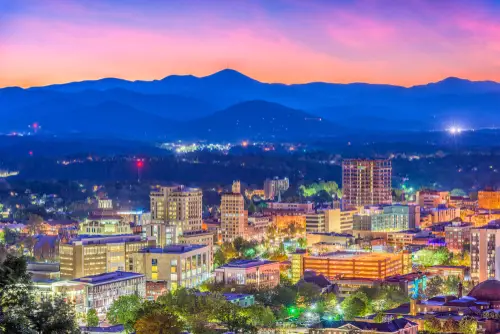
Asheville is marketed as an artsy, small-town paradise surrounded by mountains. But rapid growth has increased housing costs and limited job options outside tourism and the arts. Some residents find the small-town pace charming at first, but it can feel isolating without the conveniences of a larger city. Even the celebrated local culture can feel exclusive to longtime residents.
Healthcare access can be limited, particularly for specialized services. The cost of living relative to local wages surprises many newcomers. Winter weather, though milder than northern states, can still impact travel and outdoor activities. The idyllic mountain life requires compromise for those expecting seamless small-town bliss.
10. Santa Fe, New Mexico
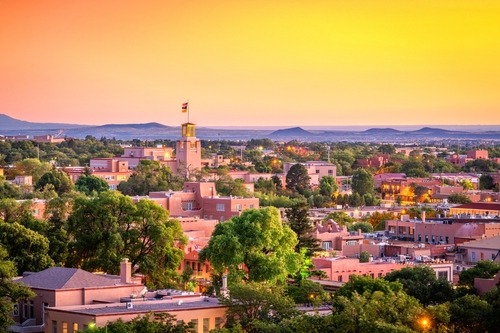
Santa Fe attracts people with its art scene, historic architecture, and mild climate. However, the city’s cost of living, especially for housing, can shock newcomers used to small-town prices. Job opportunities are limited and often seasonal, making financial stability tricky. The cultural lifestyle is wonderful, but it’s not always enough to sustain practical day-to-day living.
Public services can be slower than expected, and winters, while mild, still bring cold nights that some find uncomfortable. Traffic is light compared to big cities, but parking is a challenge in tourist-heavy areas. Some feel the romanticized creative culture is less accessible than imagined. The blend of beauty and practicality doesn’t always match expectations.
11. Burlington, Vermont

Burlington appeals to those chasing small-town charm, lakeside views, and progressive values. Yet housing and rental prices have climbed steadily, making affordability an issue. Winters are long and harsh, a challenge for those expecting mild New England weather. Job opportunities are narrow, often limited to tourism, education, or small businesses.
Public transit and road conditions can be tricky, especially during snowstorms. Some newcomers underestimate the social homogeneity and close-knit local culture. While scenic and safe, the city’s amenities are limited compared to larger metros. Many discover that picturesque lakeside living comes with logistical trade-offs.
12. Boise, Idaho
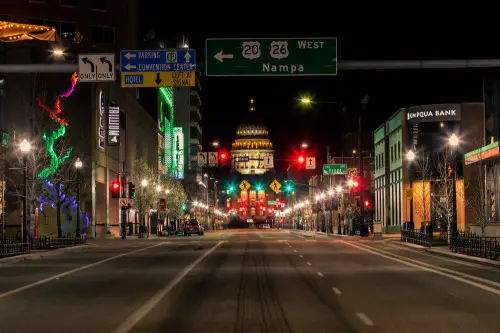
Boise has been celebrated for its affordability, outdoor access, and friendly vibe. The influx of new residents has quickly pushed up housing costs, eroding that affordability advantage. Some newcomers feel the city is smaller than anticipated, with limited nightlife or cultural options. Traffic, while mild now, is becoming a growing concern.
Job opportunities are concentrated in specific sectors, leaving many scrambling if their field isn’t represented. Winters, though moderate, bring snow that can disrupt commuting. The city’s “small-town feel” may clash with expectations for more urban amenities. For some, the reality is a slower pace that requires adjusting lifestyle expectations.
13. Charleston, South Carolina
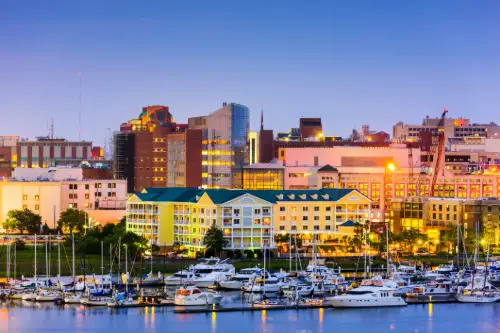
Charleston is known for its historic charm, coastal beauty, and Southern hospitality. Rising tourism has inflated prices and made parking, traffic, and crowds a daily frustration. Job options outside hospitality and real estate are limited, especially for high-paying careers. Humidity, heat, and hurricane risks can surprise those expecting a perfect seaside climate.
The historic districts are beautiful but come with strict regulations on renovations or rentals. Many newcomers find that the slower pace of life doesn’t match their professional ambitions. Flooding during storms can disrupt life more than expected. Charleston’s postcard-perfect image often clashes with logistical realities.
14. Denver, Colorado
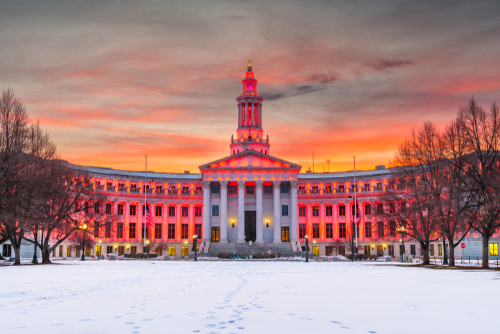
Denver attracts outdoor enthusiasts and career-minded professionals alike. But housing prices and rental rates have soared, straining budgets for those chasing the “affordable mountain lifestyle.” Traffic and transit challenges make commuting frustrating for new residents. Even weekends on the trails can be crowded, reducing the sense of escape.
The tech and energy sectors offer jobs, but competition is high and salaries may not stretch far once living costs are factored in. Winter weather can be unpredictable, including snowstorms and icy roads. Social dynamics in a fast-growing city can feel impersonal. Many discover the mountain dream comes with everyday compromises.
15. Key West, Florida
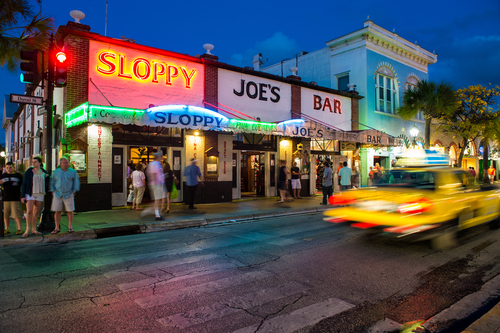
Key West is a magnet for those dreaming of tropical island life. Yet the reality includes extremely high housing costs, seasonal tourism stress, and limited job opportunities outside hospitality. Hurricanes and rising sea levels add a layer of risk that newcomers may underestimate. Everyday necessities like groceries and gas also carry premium prices.
The island’s nightlife and charm are undeniable, but the small size limits cultural and professional options. Traffic and parking are constant headaches, especially during tourist season. While beautiful, the isolation can be striking for those used to mainland conveniences. Many realize that paradise living comes with logistical and financial trade-offs.
This post Why Moving to These 15 Places Didn’t Solve What People Thought It Would was first published on American Charm.