
1. California

Living in California often feels like running on a hamster wheel—you earn more, but everything costs so much more. Homes routinely cost several times what the typical household earns, pushing even six-figure earners into tight budget decisions. Skyrocketing rents and limited affordable housing stock make putting down roots a challenge for middle-class families. Many residents are actually leaving the state in search of a more livable lifestyle elsewhere.
Even everyday essentials like groceries, childcare, and utilities eat into paychecks faster than wages rise. Commuting from more affordable areas means longer drives and higher fuel costs, adding hidden burdens to family life. Zoning restrictions and slow new construction funnel demand into expensive coastal metros. On paper it’s sunny and prosperous, but affordability feels out of reach for many.
2. Hawaii
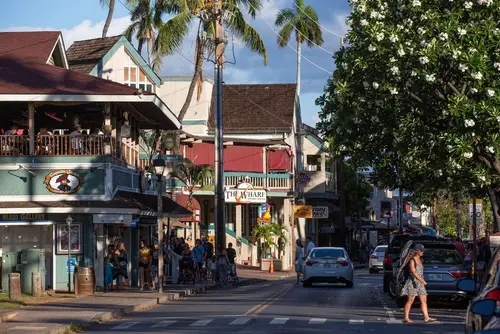
If you’ve ever dreamed of island life, the reality for middle-class families in Hawaii can feel harsh. Housing costs in the state rank among the highest in the nation, with prices far outstripping typical incomes. Everyday necessities like groceries and utilities are also significantly more expensive than the U.S. average. These combined pressures mean many households are living paycheck to paycheck.
Tourism drives the economy, but it also pushes housing toward short-term rentals, reducing options for long-term residents. For essential workers and middle managers alike, saving for a home can seem like a distant dream. Even with higher median incomes compared to some states, costs leave little leftover for building wealth. The allure of paradise fades when your budget feels like it’s underwater.
3. New York

New York State’s sheer size masks big differences, but overall it’s one of the tougher places to stretch a middle-class income. Residents need a high income just to cover basics like housing, transportation, and childcare. After all essentials are paid, middle-income families can be left with barely a financial cushion. The high cost of living in cities like New York City pushes many to the margins.
Taxes are heavier here than in many states, cutting into take-home pay and complicating financial planning. Even outside the city, rising housing costs have followed suit, making the suburbs feel expensive too. For a state with so much economic opportunity, the middle class often feels squeezed by a lack of affordable options. You can live in New York—but thriving there as a middle-class family is another story.
4. Massachusetts

Massachusetts blends intellectual and cultural vibrancy with a cost structure that often feels confusingly high. The housing market in many regions—especially around Boston—has median home prices near or above $600,000. That pushes many buyers to compete for limited inventory or accept long commutes. Monthly expenses like childcare and healthcare add further strain to already tight budgets.
Even with generally strong wages, the cost of living absorbs much of that upside before families get a chance to save. Historic charm and quality education systems are wonderful perks, but they come at a premium. It’s a state where you often have to make the middle-class life work long before you can enjoy it. That wears on families trying to plan for the future.
5. Oregon
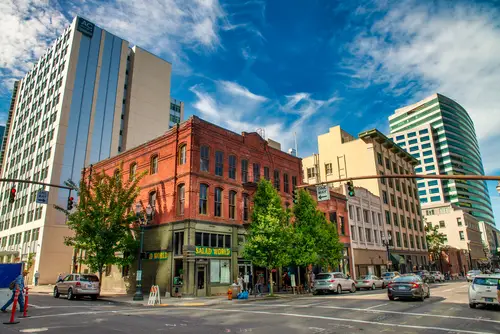
Oregon’s natural beauty makes it enticing, but middle-class households often feel the pinch once they crunch the numbers. Housing prices in cities like Portland have surged, and wages haven’t kept pace with the cost of living. Renters often face long waiting lists and high deposits, which makes moving stressful and expensive. Even basic necessities like groceries and healthcare are above the national average.
Taxes and utility costs also chip away at disposable income, leaving families with little wiggle room. Suburban and rural areas aren’t always cheaper once you factor in commuting expenses. Many middle-class families struggle to save for emergencies or college while managing these everyday pressures. The dream of comfortable living in Oregon is often harder to achieve than it looks from the outside.
6. New Jersey

New Jersey is close to major job markets like New York City and Philadelphia, but that convenience comes at a steep cost. Housing prices and property taxes are some of the highest in the country, squeezing the budgets of middle-class families. Commuting costs can also be brutal, with gas, tolls, and train fares adding up quickly. Even with solid incomes, it’s easy to feel like there’s never enough left at the end of the month.
Childcare, healthcare, and education expenses add another layer of pressure, especially for families trying to save for college. Many middle-class residents live farther from urban centers just to afford a home, which increases commute times and reduces family flexibility. Utility bills in the state are also higher than average, compounding everyday costs. For many, New Jersey offers opportunity—but the cost of accessing it can feel overwhelming.
7. Maryland

Maryland has strong employment opportunities, particularly in tech, healthcare, and government, but the cost of living reflects that advantage. Housing near Washington D.C. is notoriously expensive, and even suburbs carry hefty price tags. Property taxes, insurance, and commuting expenses chip away at take-home pay. Middle-class families often find that their salaries barely cover necessities.
Healthcare costs and childcare can further stretch budgets, particularly for dual-income households trying to get ahead. While the state offers great schools and amenities, they don’t come cheap. Many residents report feeling financially stretched despite earning well above the national median. Living comfortably in Maryland requires careful planning, which can feel exhausting over time.
8. Connecticut

Connecticut combines picturesque towns with high costs that challenge middle-class families. Home prices are high, especially near New York, and property taxes are among the nation’s steepest. Even modest homes carry large monthly obligations, leaving little room for savings or leisure. Residents often have to make tough choices between quality housing and other life priorities.
Childcare and healthcare also push budgets to the limit, with costs exceeding many other states. Commuters who work in New York City or nearby areas face long travel times and high transportation expenses. The overall cost of living makes it hard for families to maintain a lifestyle that feels truly middle-class. Connecticut offers charm, but that charm comes at a financial premium.
9. Washington
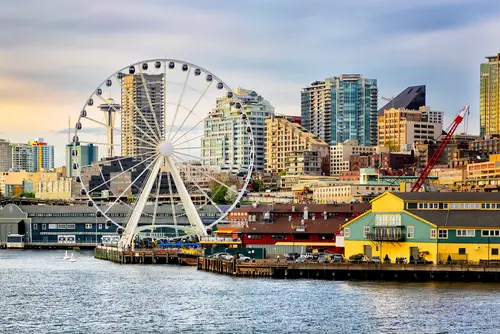
Washington State is booming economically, especially around tech hubs like Seattle, but the benefits are unevenly distributed. Housing prices have skyrocketed, leaving many middle-class families priced out of desirable neighborhoods. Renting isn’t always a solution either, as rent growth often outpaces wage increases. Daily living expenses, from groceries to utilities, are above the national average.
Transportation and childcare are significant stressors for working families. Even with competitive salaries, it can feel like there’s no breathing room in monthly budgets. Families often move farther from the city to find affordable homes, trading convenience for space. The result is a state that’s thriving on paper but feels financially unforgiving in everyday life.
10. Illinois

Illinois has a reputation for being affordable in some areas, but taxes and cost of living in cities like Chicago tell a different story. Property taxes are sky-high, and utility bills are often above average, leaving families with less disposable income. Many middle-class households face significant costs just to maintain basic comforts. Even outside urban centers, costs for necessities are creeping upward faster than wages.
Education and healthcare add extra financial pressure, especially for families with children. State budget issues have trickled down into local services, making middle-class life feel precarious at times. Commuting and transportation costs further stretch already tight budgets. In Illinois, the middle class exists, but it often feels like a constant balancing act.
11. Alaska

Alaska’s natural beauty is undeniable, but everyday life is expensive for middle-class families. Housing costs are high, particularly in urban areas like Anchorage and Juneau, and many homes are older or less energy-efficient, which drives up utility bills. Food and basic goods are also more expensive due to shipping and limited local supply. Even strong wages can be offset by these higher costs, leaving families with little financial breathing room.
Healthcare access is another challenge, especially in rural areas, forcing families to travel long distances for care. Seasonal employment fluctuations can make budgeting unpredictable. Transportation costs, including fuel and maintenance for long drives, add another layer of financial stress. Life in Alaska offers adventure, but middle-class stability can feel out of reach.
12. Nevada

Nevada might seem like a low-tax haven, but middle-class families often struggle with the cost of housing and living in urban centers like Las Vegas and Reno. Rapid population growth has pushed home prices and rents upward, outpacing wage growth for many residents. Utilities can also be surprisingly high due to the desert climate, and insurance costs add to monthly burdens. Even with no state income tax, many families feel financially squeezed.
The allure of tourism-driven jobs can be deceptive, as many positions are low-wage, leaving households dependent on a few higher-paying jobs to stay afloat. Childcare costs are high relative to earnings, and transportation can be a hidden drain on budgets. Families often have to compromise on space, neighborhood, or lifestyle to make ends meet. For middle-class residents, Nevada’s opportunities come with a steep financial balancing act.
13. Colorado

Colorado’s scenic beauty and outdoor lifestyle attract many families, but the cost of living has risen sharply. Housing markets in Denver, Boulder, and surrounding suburbs are especially competitive, often pricing out typical middle-class earners. Renters face high monthly obligations, and homebuyers must stretch their budgets considerably. Even groceries, utilities, and transportation costs are above the national average.
Healthcare and childcare expenses further tighten budgets, particularly for growing families. Commuting times are increasing as workers move farther out to find affordable homes. The dream of a balanced outdoor lifestyle can feel expensive when the math doesn’t quite add up. Many families enjoy the state, but financial stress is a constant companion for middle-class households.
14. Florida

Florida is often marketed as a tax-friendly state, but middle-class life can still be challenging, particularly in metropolitan areas like Miami, Orlando, and Tampa. Housing costs have surged over the last decade, making homeownership difficult for many families. Rent and utilities consume a large portion of monthly income, and insurance premiums—especially for hurricane coverage—can be astronomical. Even with no state income tax, everyday expenses pile up quickly.
Childcare and healthcare costs are rising, and many families struggle to save while covering monthly bills. Traffic congestion and long commutes eat into quality-of-life time. For middle-class households, balancing work, family, and finances requires constant calculation. Florida’s sunny image doesn’t always match the economic reality for its residents.
15. Arizona

Arizona has become increasingly popular for its climate and cost-of-living appeal, but the middle-class experience can be challenging in fast-growing cities like Phoenix and Scottsdale. Housing demand has pushed prices upward, often exceeding wage growth for typical households. Renters face competitive markets and higher deposits, while homeowners contend with rising property taxes. Everyday expenses like utilities, transportation, and groceries are all slightly above the national average.
Healthcare, childcare, and education costs further strain budgets, especially for families trying to save for the future. Commuting from suburban areas to city centers adds time and financial burden. Even with opportunities in tech, healthcare, and service industries, middle-class families often feel stretched thin. Arizona’s lifestyle is appealing, but sustaining it comfortably can be a real challenge for many.
This post Why Middle-Class Life Feels Impossible in These 15 States was first published on American Charm.

