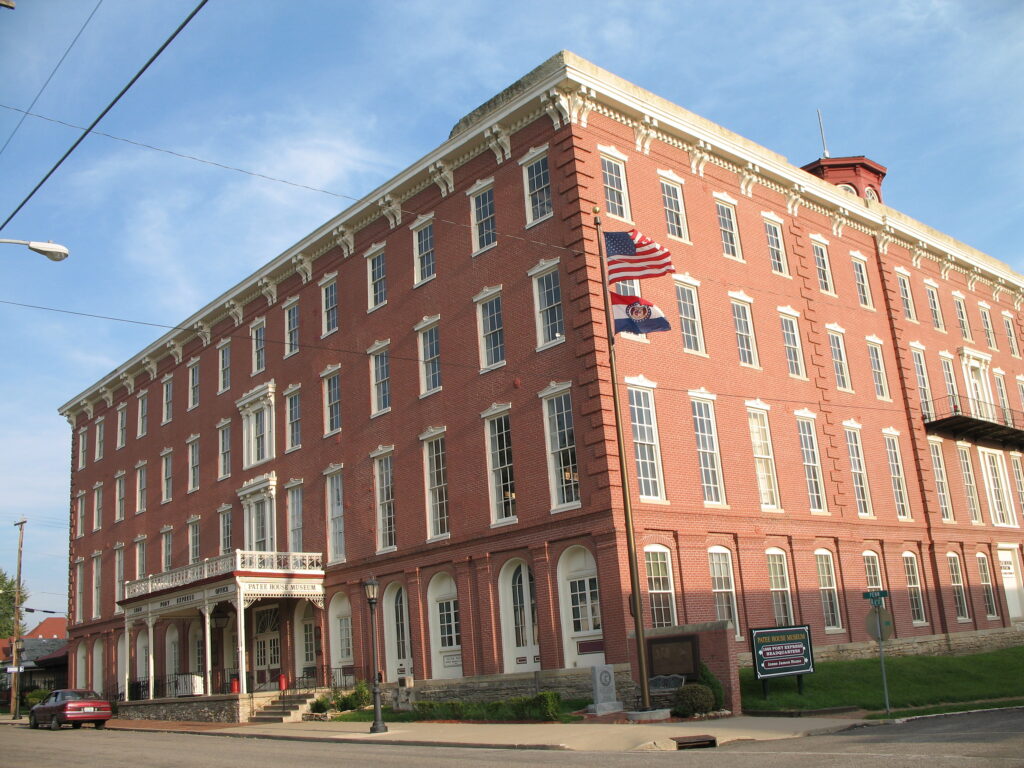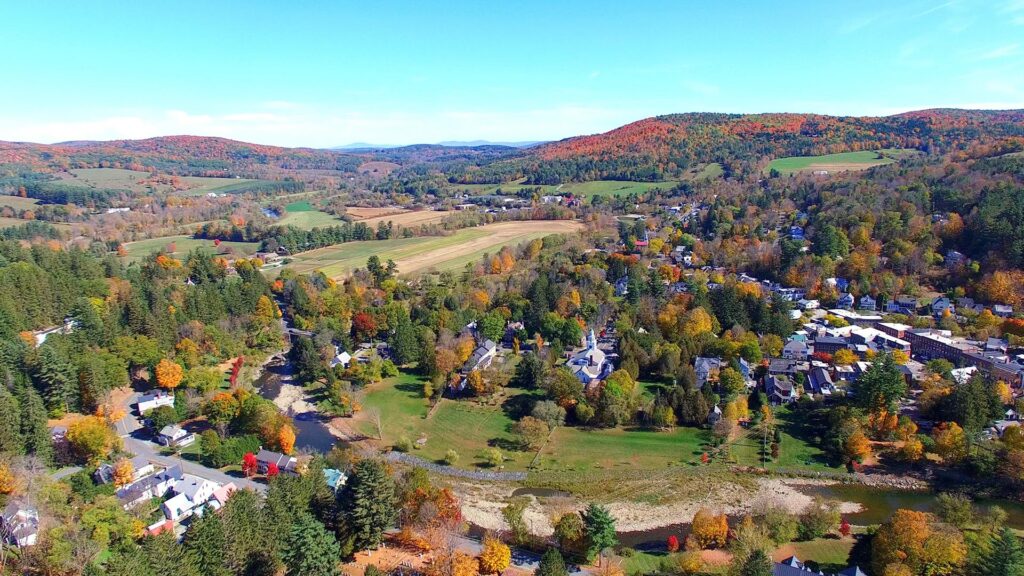
1. Hawaii
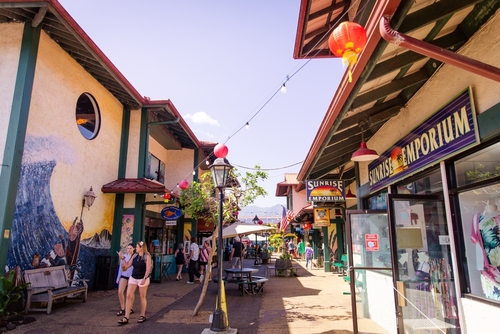
Hawaii is paradise, but it comes with a price tag most middle-class families can’t ignore. Everything from groceries to gas is significantly more expensive due to shipping costs and geographic isolation. Housing is also incredibly limited, and the median home price is well above the national average. For middle-class residents, buying a home often means compromising on size, location, or amenities.
Even daily living can feel restrictive. Utilities, especially electricity, are among the highest in the country. Healthcare services are also limited and costly, meaning families may struggle to find affordable coverage. Combined, these factors make achieving a traditional middle-class lifestyle more aspirational than attainable.
2. California

The cost of living in California has skyrocketed over the last decade, making even a decent apartment feel out of reach for many middle-class families. Cities like San Francisco and Los Angeles have rents that often exceed what a “middle-class” income should comfortably cover. Even outside major cities, housing prices remain stubbornly high, forcing people to compromise on space or location. On top of that, taxes are among the highest in the country, eating into take-home pay.
Healthcare and everyday expenses add another layer of stress. Grocery bills in California are noticeably higher than the national average, partly due to transportation and regulatory costs. Gasoline is also pricey, which hits commuters hard. These combined factors make maintaining a middle-class lifestyle feel like a balancing act on a tightrope.
3. New York

New York’s high cost of living isn’t just about the city—it’s a statewide challenge. From New York City to smaller towns upstate, housing prices are often disproportionate to salaries. Property taxes alone can swallow a significant portion of a middle-class income, especially outside the city where public services are more limited. Even renting a modest apartment in a desirable area can require more than a third of a household’s income.
Transportation costs also add up quickly. Gas, tolls, and public transit fees are all above average, and commuting times can be grueling. Utilities are another hidden expense, as heating in the winter can become shockingly expensive. When you factor in childcare and healthcare costs, staying comfortably middle-class starts to feel like an uphill battle.
4. Massachusetts

Massachusetts has a strong economy, but the cost of living doesn’t make middle-class life easy. Housing in Boston and surrounding areas is prohibitively expensive, often requiring dual incomes just to cover rent or mortgage. Property taxes can be steep, particularly in desirable suburbs, adding another financial hurdle. Even utilities and basic services carry a premium compared to the national average.
Education costs are another challenge. While public schools are generally good, many families feel pressure to invest in private or supplementary education, especially in competitive areas. Healthcare costs are also above average, and insurance premiums can take a sizable chunk out of monthly budgets. Taken together, these factors mean middle-class families must budget carefully to maintain stability.
5. New Jersey

New Jersey has one of the highest property tax rates in the nation, which hits middle-class homeowners hard. Even moderate homes can come with six-figure tax bills annually, leaving less disposable income for other essentials. Housing costs are generally high due to proximity to New York City and Philadelphia. The result is a constant push-and-pull between income and expenses that strains middle-class budgets.
Transportation is also a significant drain. Commuting to nearby cities for work often means paying for tolls, gas, and public transit, which can be prohibitively expensive. Everyday goods like groceries and healthcare also cost more than the national average. These expenses make balancing work, family, and financial security particularly challenging for the middle class.
6. Maryland

Maryland’s wealth gap is pronounced, making middle-class life feel squeezed. Areas near Washington, D.C., such as Montgomery and Prince George’s counties, have skyrocketing home prices that outpace wage growth. Property taxes and local fees further increase the cost of living. Middle-class households often find themselves unable to save for retirement or emergencies.
Childcare and healthcare also add pressure. Maryland has above-average childcare costs, making it difficult for working parents to maintain a reasonable work-life balance. Insurance premiums and medical expenses are also higher than average. These combined costs often force families to make difficult choices about housing, work, and lifestyle.
7. Connecticut
Connecticut is known for its picturesque towns and strong schools, but the price of living there is steep. Housing costs, particularly in Fairfield County, are among the highest in the state and the nation. Property taxes are also very high, leaving families with limited disposable income. Even modest homes require significant financial planning to maintain.
Other living expenses add to the strain. Gas, groceries, and utilities are consistently above average, and healthcare costs are not far behind. For middle-class families, these combined pressures can make it feel like they’re constantly treading water financially. The result is a lifestyle that looks comfortable on paper but feels far less so in practice.
8. Alaska

Alaska’s remote location makes everyday living expensive. Imported goods, especially groceries, come with a premium, and heating costs are significant during long winters. Housing in urban centers like Anchorage or Juneau is costly, partly due to limited availability. For middle-class residents, basic living expenses can consume a disproportionate share of income.
Transportation challenges add another layer. Many communities are accessible only by plane or ferry, which drives up travel costs. Gas prices are also higher than the national average. Combined with the higher cost of healthcare, Alaska can feel financially isolating for middle-class families.
9. Washington
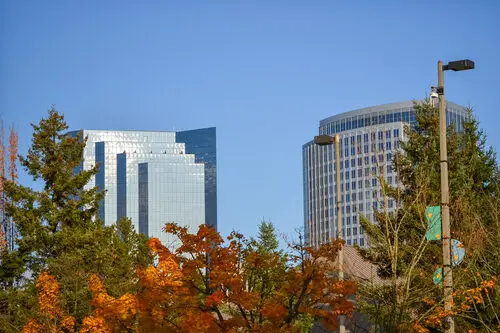
Washington state has seen a tech-driven boom, but it hasn’t translated into middle-class stability for everyone. Cities like Seattle have housing markets that price out many long-time residents. Rent and home prices have increased faster than local wages, especially for non-tech workers. The suburban spread often forces long commutes, increasing expenses and reducing free time.
Taxes and daily costs further stretch budgets. While Washington doesn’t have a state income tax, sales taxes are relatively high. Grocery and transportation costs can be higher than average, and healthcare expenses are not negligible. These factors combine to make middle-class life feel financially tight, even for dual-income households.
10. Oregon

Oregon’s scenic beauty comes with a hidden cost. Housing markets in cities like Portland have surged, and property taxes are rising in tandem. Many middle-class families struggle to find affordable, quality housing without stretching their budgets. Renting isn’t much easier, as demand often outpaces supply.
Living costs in general also add pressure. Gas, groceries, and utilities are all above national averages, and healthcare costs continue to climb. For families trying to save or plan for the future, these expenses make it difficult to feel secure. The balance between income and lifestyle often feels precarious.
11. Colorado
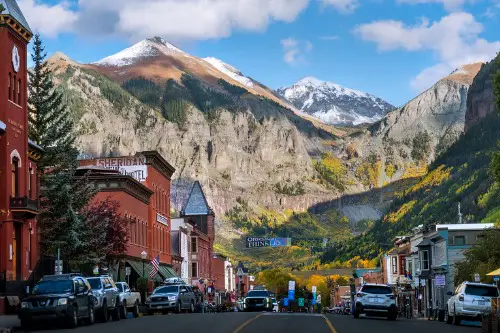
Colorado’s outdoor lifestyle and booming economy have attracted many new residents, which has driven up housing costs. Cities like Denver and Boulder have median home prices well above what a traditional middle-class income can comfortably afford. Renters also face increasing costs as demand rises. This makes establishing roots as a middle-class family challenging.
Transportation and other living expenses compound the issue. Gas prices and daily commuting costs are above average, and childcare can consume a significant portion of income. Even everyday groceries and utilities are more expensive than in other states. Middle-class families often feel stretched thin, balancing lifestyle desires with financial reality.
12. Illinois

Illinois combines high taxes with rising costs, squeezing middle-class families from both ends. Property taxes in particular are among the highest in the nation, making homeownership costly even outside Chicago. Housing markets are volatile, and some areas face declining values that can hurt financial stability. Many families find it hard to save while covering day-to-day expenses.
Healthcare and essentials also feel pricey. Insurance premiums, gas, and groceries in Illinois are above the national average. For working families, the combination of taxes and living costs makes it difficult to build wealth or feel secure. Even with steady employment, middle-class life can feel financially precarious.
13. Nevada

Nevada may lack state income tax, but housing and everyday expenses have risen sharply in recent years. Cities like Las Vegas and Reno have seen surging home prices that outpace local wages. Renting is often a temporary fix, as landlords frequently increase rates. Middle-class families often find it hard to keep up with housing costs while maintaining other essentials.
Living costs beyond housing aren’t negligible either. Utilities, groceries, and healthcare have increased, partially due to rapid population growth and infrastructure pressures. Commuting costs are also higher in urban centers. These factors make it challenging for middle-class households to build savings or feel financially secure.
14. Florida
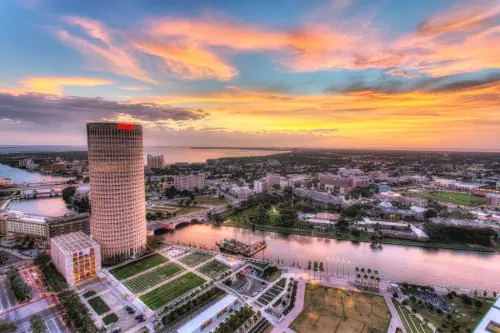
Florida’s sunny appeal comes with hidden financial pressures for middle-class families. Housing prices have climbed rapidly in many metro areas like Miami, Orlando, and Tampa. Property taxes are high in certain counties, and flood insurance adds an extra cost for homeowners. Even renters feel the pinch as demand continues to outpace supply.
Day-to-day living adds more strain. Healthcare and insurance costs are above average, especially for families. Utilities and groceries have increased steadily, reflecting broader inflation trends. Combined, these expenses make sustaining a traditional middle-class lifestyle feel like a juggling act for many Floridians.
This post Why Middle-Class Life Feels Impossible in These 14 States was first published on American Charm.