1. Alaska

Alaska has no state income tax and no statewide sales tax, which sounds like a dream on paper. Residents also receive an annual Permanent Fund Dividend funded by oil revenues. But the cost of living is among the highest in the country, especially in remote communities. Groceries, fuel, and basic goods often have to be shipped in by air or barge, driving prices well above the national average.
Housing and utilities can strain budgets, particularly in cities like Anchorage where limited supply pushes prices higher. Energy costs are steep because of long, frigid winters that demand constant heating. Healthcare access outside major hubs can require expensive travel for specialized services. So while taxes are low, everyday expenses can quickly offset the savings.
2. Florida
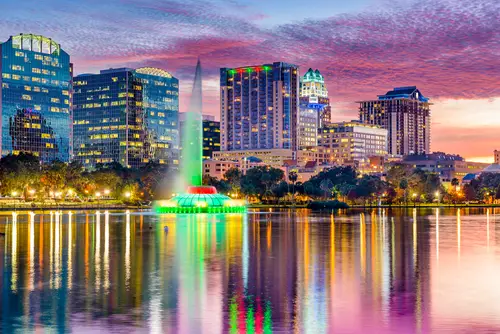
Florida has no state income tax, which draws retirees and remote workers in droves. On the surface, that alone makes it look financially friendly. However, Florida relies heavily on sales taxes and property taxes to generate revenue. Those costs can add up quickly, especially in fast-growing metro areas.
Home insurance premiums in Florida are among the highest in the country due to hurricane risk. Property taxes have risen sharply in many counties as home values surged in recent years. Utility bills can also spike in the summer because of constant air conditioning. The lack of income tax doesn’t always compensate for those recurring, often unpredictable expenses.
3. Texas

Texas also has no state income tax, making it popular for workers and businesses alike. That reputation for low taxes has fueled massive population growth. But Texas makes up for it with some of the highest effective property tax rates in the country. Homeowners often pay thousands more annually compared to lower-property-tax states.
Rapid growth in cities like Austin and Dallas has pushed housing prices upward. Infrastructure and traffic congestion can also create daily frustrations. Energy bills can swing wildly during extreme heat or winter storms. So while paychecks aren’t reduced by state income tax, other costs can easily eat into take-home pay.
4. Nevada
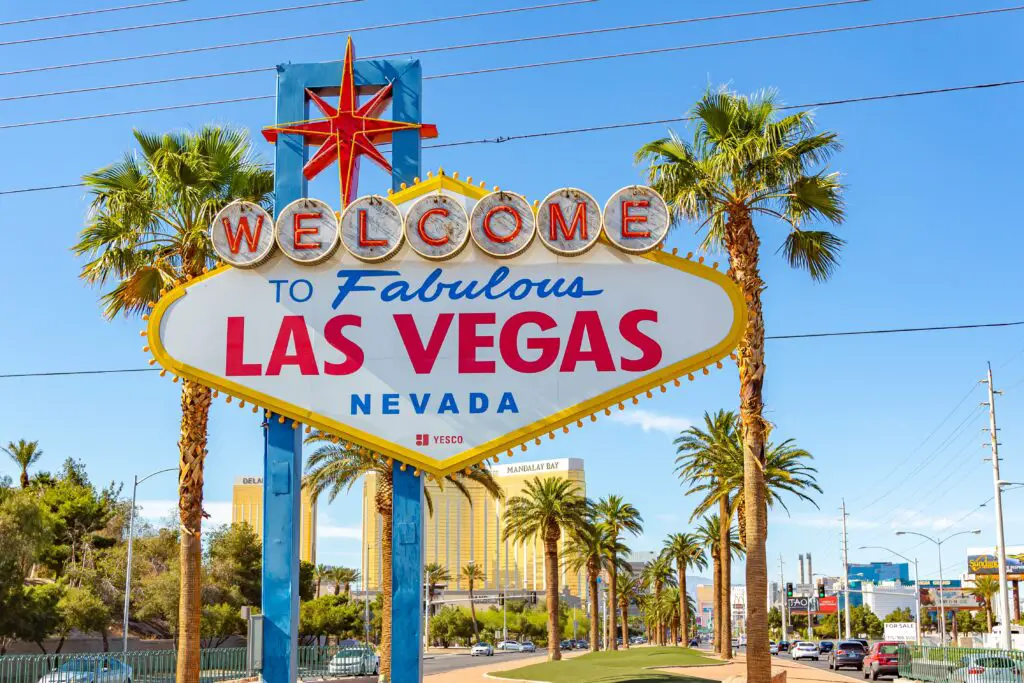
Nevada is another state without a personal income tax. Its economy leans heavily on tourism and gaming revenue. That structure can make state finances sensitive to economic downturns, as seen during the pandemic. When tourism slows, public services can feel the strain.
Housing prices in Las Vegas and Reno have risen substantially over the past decade. Water scarcity is a serious long-term concern, especially in southern Nevada. Summer temperatures routinely exceed 100 degrees, increasing cooling costs. The tax savings can feel smaller once housing, utilities, and resource limitations are factored in.
5. Tennessee

Tennessee does not tax earned income, which makes it attractive for workers. The state previously taxed investment income, but that was fully phased out in 2021. However, Tennessee has one of the highest combined state and local sales tax rates in the country. That means everyday purchases can cost noticeably more.
Because sales taxes are high, lower- and middle-income households may feel a disproportionate burden. Property taxes are moderate, but rising home prices in cities like Nashville have increased overall housing costs. Public transportation options are limited in many areas, making car ownership a necessity. Low income taxes don’t necessarily translate into lower overall living expenses.
6. Washington

Washington has no state income tax on wages, which can be appealing to high earners. The state instead relies heavily on sales taxes and business taxes. In many areas, combined sales tax rates exceed 10 percent. That can make large purchases particularly expensive.
Housing in Seattle and surrounding areas is among the most expensive in the country. Property values have surged over the past decade, pushing up property tax bills. Gasoline prices also tend to rank among the highest nationally. Even without an income tax, the overall cost of living can be steep.
7. South Dakota

South Dakota has no state income tax and relatively low overall tax burdens. That simplicity appeals to retirees and small business owners. However, wages in South Dakota are generally lower than the national average. Lower earning potential can limit financial flexibility despite low taxes.
Rural healthcare access can be limited, requiring long drives for specialized services. Winters are harsh, leading to higher heating costs and transportation challenges. Job markets outside a few metro areas can be narrow. Low taxes help, but economic opportunities can be more limited.
8. Wyoming

Wyoming also has no state income tax and benefits from mineral revenue. The state’s small population helps keep certain tax rates low. However, the economy is heavily tied to energy extraction industries. That dependence can create boom-and-bust cycles.
Housing inventory can be limited in popular areas like Jackson, where prices are extremely high. Long travel distances between towns increase fuel costs and time spent commuting. Healthcare facilities are sparse outside larger towns. Low taxes don’t eliminate the logistical and economic realities of living in a sparsely populated state.
9. New Hampshire
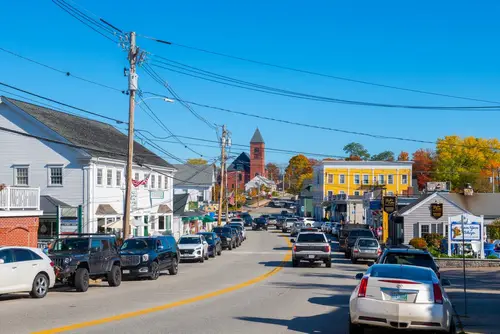
New Hampshire has no general income tax and no statewide sales tax. That combination sounds almost too good to be true. But property taxes in New Hampshire are among the highest in the nation. Local governments rely heavily on those taxes to fund schools and services.
Homeowners often shoulder significant annual property tax bills. Housing prices have climbed sharply in recent years, especially near the Massachusetts border. Winters bring high heating costs and snow removal expenses. The tax structure shifts the burden rather than eliminating it.
10. Delaware

Delaware has no state or local sales tax, which makes shopping feel cheaper right away. That’s one reason it’s popular for retirees and even out-of-state shoppers. However, Delaware does impose a state income tax with rates that can reach higher brackets. Property taxes are relatively low, but that doesn’t offset everything.
Utility costs and healthcare expenses can still strain budgets. Coastal areas face rising insurance costs due to storm risk. Job opportunities are concentrated in certain industries like finance and chemical manufacturing. The absence of sales tax doesn’t automatically mean a low overall cost of living.
11. Montana

Montana has no statewide sales tax, which can make purchases feel more affordable. But the state does have a progressive income tax system. In addition, housing prices in cities like Bozeman have surged dramatically in recent years. Limited supply and increased demand have made affordability a challenge.
Property taxes vary by county and can rise alongside home values. Long, cold winters increase heating costs and maintenance needs. Rural living often requires long drives for work and services. Skipping sales tax doesn’t shield residents from broader cost pressures.
12. Oregon

Oregon is known for having no statewide sales tax. That can be appealing when making large purchases like appliances or cars. However, Oregon has relatively high state income tax rates, particularly for higher earners. That can significantly reduce take-home pay.
Housing costs in Portland and surrounding areas have climbed substantially over the past decade. Property taxes are moderated by state law but still represent a notable expense. Wildfire seasons have increased insurance and emergency preparedness costs in some regions. The tax mix shifts where residents pay rather than eliminating the burden.
13. North Dakota
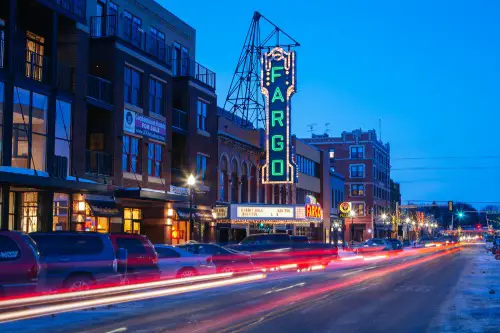
North Dakota has relatively low income tax rates and a moderate overall tax burden. Oil production has helped support state revenue. However, the economy can be volatile due to reliance on energy markets. That volatility can affect job stability and local growth.
Winters are long and extremely cold, driving up heating and transportation costs. Housing shortages have occurred during oil booms, raising rents in certain areas. Rural healthcare access can require lengthy travel. Even with comparatively low taxes, everyday realities can complicate the promise of easy living.
This post Why Low Taxes Don’t Guarantee Easy Living in These States was first published on American Charm.