1. Seattle, Washington

Seattle’s quality of life is closely tied to where you sit in the tech ecosystem. Major employers like Amazon and Microsoft pushed wages higher, but also drove housing demand. Neighborhoods near job hubs and light rail have seen steep price increases. Rain and geography make long commutes especially draining.
Residents close to work enjoy walkability and access to green spaces. Those farther out often face traffic bottlenecks and limited transit options. Housing supply hasn’t matched job growth over the past decade. Living well here increasingly hinges on balancing pay with proximity.
2. San Francisco Bay Area, California

Living well here became about proximity to high-paying tech work rather than space or calm. Salaries in software, biotech, and AI still rank among the highest in the country. Housing costs, however, consistently outstrip income growth for most residents. The result is a lifestyle where location inside the region matters as much as income.
People who live near job centers or transit get time, flexibility, and social access. Long commutes from distant suburbs can erase those advantages quickly. Decades of restrictive zoning and limited housing supply play a major role. Living well here now depends heavily on when you arrived and exactly where you live.
3. Austin, Texas
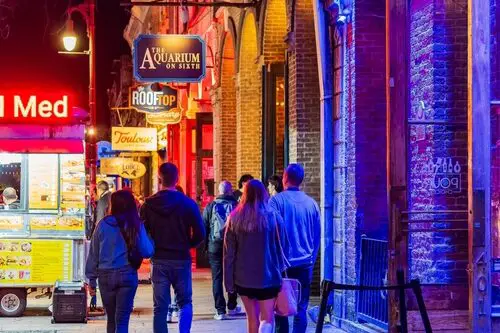
Austin’s version of living well has long been tied to growth and momentum. The city offers no state income tax and a strong job market driven by tech, education, and creative industries. For years, housing costs were relatively low compared to coastal cities. Rapid population growth changed that equation faster than expected.
Those who bought homes earlier benefit from rising equity and central neighborhoods. Newer residents often live farther out, trading affordability for longer drives. Infrastructure has struggled to keep pace with expansion. Your quality of life in Austin now depends on neighborhood timing as much as income.
4. New York City, New York

In New York, living well has always been intensely neighborhood-specific. The city concentrates opportunity, culture, and wealth into a small geographic footprint. Proximity to reliable transit and job centers dramatically affects daily life. Rent prices vary wildly even between adjacent blocks.
Living near work can mean reclaiming hours every week. Living far away often means trading time and energy for slightly lower rent. Long-standing housing shortages and zoning limits have intensified competition. The city rewards access more than space, and access is location-dependent.
5. Denver, Colorado

Denver became a place where outdoor access defines living well. The city offers proximity to the Rockies alongside a growing professional job market. That combination attracted newcomers from higher-cost states. Housing prices climbed quickly as demand surged.
Living near downtown or transit corridors makes the lifestyle smoother. Long drives from outer suburbs reduce time spent enjoying nature or city amenities. Limited housing density has constrained supply. Your experience in Denver now depends on how close you are to both work and recreation.
6. Los Angeles, California

In Los Angeles, living well is often measured in commute minutes. The metro area is vast, and traffic shapes daily life more than almost anything else. Housing costs vary widely by neighborhood, even within short distances. Proximity to work can dramatically change stress levels.
Those who live near employment centers gain time and flexibility. People priced out often spend hours commuting each day. Public transit coverage remains uneven across the region. In LA, location determines whether the city feels energizing or exhausting.
7. Miami, Florida
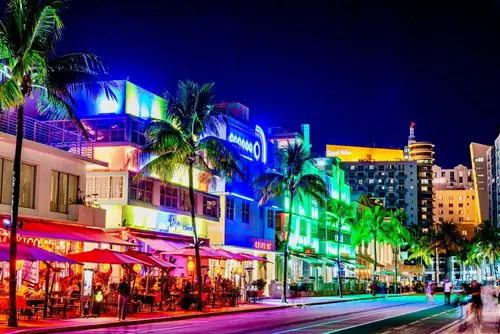
Miami’s quality of life became location-specific as housing and insurance costs rose. The city attracts wealth from finance, real estate, and international business. Coastal and walkable neighborhoods command significant premiums. Climate risks like flooding increasingly factor into where people choose to live.
Living well often means choosing higher ground and newer construction. Insurance availability and cost vary sharply by area. Traffic congestion has grown with population increases. In Miami, lifestyle hinges on balancing beauty, risk, and accessibility.
8. Boston, Massachusetts

Boston concentrates education, healthcare, and tech into a compact area. Living near universities, hospitals, and transit lines offers clear advantages. Housing costs reflect that demand, especially in central neighborhoods. Space is limited, and competition is intense.
Residents close to work gain shorter commutes and stronger professional networks. Those farther out rely heavily on aging transit infrastructure. Zoning and historic preservation restrict new housing. Living well in Boston now depends on neighborhood precision.
9. Nashville, Tennessee

Nashville’s appeal has shifted from affordability to selective convenience. The city benefits from growth in healthcare, entertainment, and tourism. Housing prices have risen sharply in popular neighborhoods. Infrastructure has lagged behind population growth.
Living near the urban core offers walkability and cultural access. Living farther out often means long drives with limited transit alternatives. Rapid development has strained roads and services. Quality of life here now depends on how close you are to the center.
10. Phoenix, Arizona

Phoenix made living well about managing sprawl and climate. The metro area offers relatively affordable housing compared to coastal cities. However, extreme heat shapes daily routines and energy costs. Location affects access to shade, transit, and newer infrastructure.
Living near employment hubs reduces time spent driving in high temperatures. Outer suburbs can mean long commutes and higher cooling costs. Water availability and growth planning influence neighborhood stability. In Phoenix, livability depends on smart geographic choices.
11. Minneapolis–St. Paul, Minnesota

The Twin Cities link quality of life to neighborhood resilience. Strong public services, parks, and healthcare support overall well-being. Housing remains more affordable than many peer metros. Winter, however, makes proximity to work and amenities especially important.
Living near transit and services reduces weather-related stress. Long commutes become harder during snow and cold. Historic redlining still affects neighborhood investment patterns. Living well here depends on choosing areas with strong infrastructure and community support.
This post Why Living Well in America Became Location-Specific was first published on American Charm.