
1. San Francisco, CA
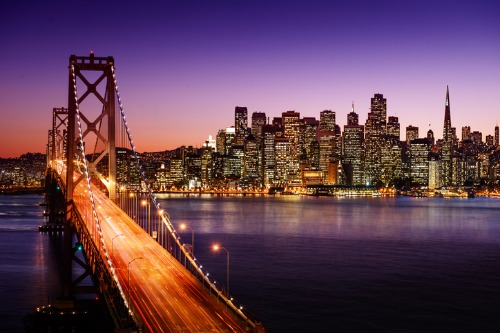
San Francisco is famous for innovation, but it’s also famous for sky-high housing costs. Median home prices have hovered well above the national average for years, and rents reflect that demand. Even high salaries in tech can feel squeezed by the cost of living. For many people, roommates well into their 30s are less a choice and more a necessity.
The city’s compact size intensifies competition for space. Parking is notoriously difficult, and steep hills make even short walks physically demanding. The tech industry’s boom-and-bust cycles can also create job uncertainty. When your career and housing both feel unstable, it’s hard to truly relax.
2. New York City, NY
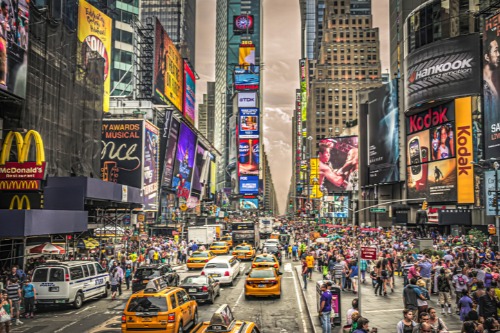
Living in New York City can feel like plugging yourself into a live wire. The pace is relentless, from packed subway platforms to sidewalks that move like conveyor belts. Rent prices are among the highest in the country, and even small apartments often cost more than spacious homes elsewhere. Add in long commute times from outer boroughs, and your day can start and end with a squeeze between strangers.
There’s also the constant sensory overload. Sirens, traffic, construction noise, and crowded public spaces leave little room for quiet. Competition is fierce in industries like finance, media, and tech, which can make work feel high-stakes all the time. Over time, that nonstop intensity can wear you down faster than you expect.
3. Los Angeles, CA
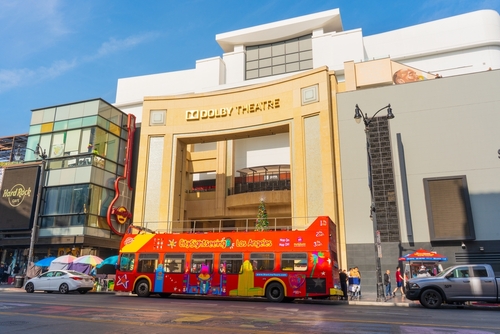
Life in Los Angeles looks glamorous from the outside, but daily reality often revolves around traffic. The city’s sprawling layout means most errands require a car, and commutes can easily stretch past an hour each way. Housing costs have climbed dramatically, especially near job centers and the coast. Even middle-income earners often feel stretched thin trying to keep up.
Wildfire season adds another layer of anxiety. Smoke, evacuation warnings, and rising insurance premiums are real concerns in many neighborhoods. The entertainment industry’s gig-based nature can also mean unstable income for many residents. When you combine financial pressure with gridlock and environmental risk, stress builds quickly.
4. Washington, D.C.
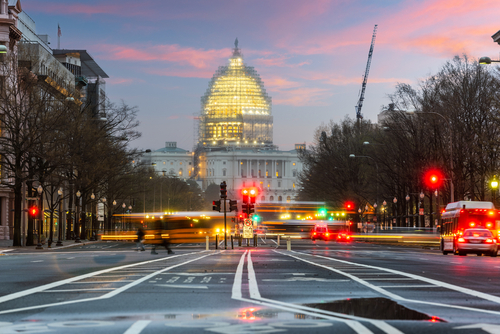
In Washington, D.C., politics isn’t just background noise; it’s the main event. Many residents work in government, law, or advocacy, where decisions can have national or global consequences. Election cycles bring long hours and high-pressure deadlines. That intensity can spill over into everyday conversations and social circles.
Housing costs in desirable neighborhoods like Capitol Hill and Dupont Circle are steep. Commutes from Virginia or Maryland suburbs can be long and traffic-heavy. Security concerns and protests can disrupt daily routines. The constant proximity to power can feel exciting at first, but draining over time.
5. Miami, FL
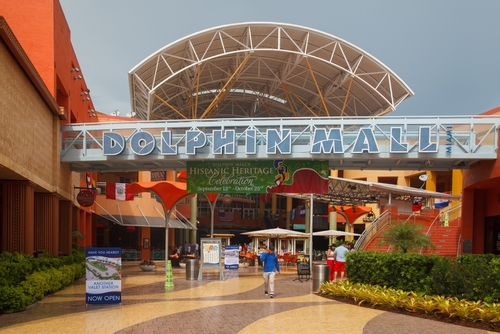
Miami offers sunshine and beaches, but the cost of paradise has risen sharply. In recent years, rents and home prices have surged, partly due to out-of-state buyers relocating. Wages in many local industries, like hospitality, haven’t always kept pace. That gap can create serious financial strain for longtime residents.
Hurricane season is another reality. Storm preparation, evacuation planning, and rising insurance premiums are part of life. Traffic congestion has worsened as the population grows. Add in intense heat and humidity for much of the year, and daily life can feel physically and financially taxing.
6. Seattle, WA
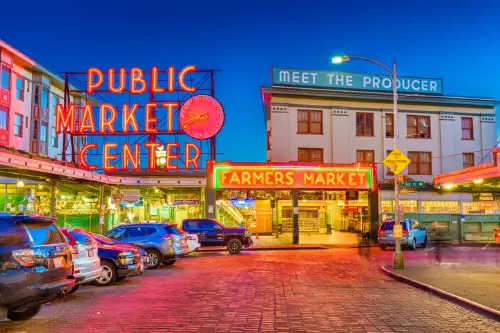
Living in Seattle often means navigating a fast-growing tech hub. Major employers have driven job growth, but they’ve also contributed to rising housing prices. Home values and rents have increased significantly over the past decade. That can make it hard for newcomers and longtime residents alike to find affordable options.
The long, gray winters can affect mood. Cloud cover and limited daylight in winter months are common complaints. Traffic congestion has increased with population growth, especially on key corridors. Over time, the mix of high costs and gloomy weather can chip away at your energy.
7. Boston, MA
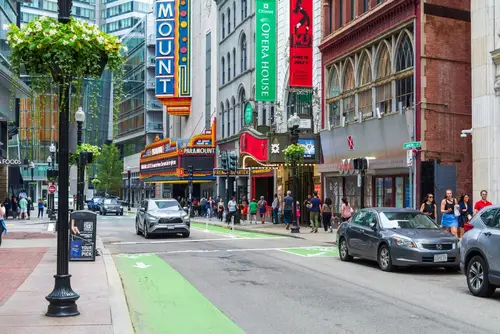
Boston blends history with high costs. As a major hub for education and healthcare, it attracts students and professionals from around the world. That demand keeps rent and home prices elevated, particularly in neighborhoods close to universities. Competition for apartments can be fierce, especially during the late-summer moving season.
Winters are another challenge. Snowstorms and freezing temperatures can disrupt commutes and daily routines. The city’s older infrastructure can mean narrow streets and limited parking. Between weather and expenses, the charm can come with real pressure.
8. Chicago, IL

In Chicago, you get big-city amenities with Midwestern roots, but stressors still add up. Property taxes in Illinois are among the highest in the nation, which affects homeowners directly. Winters bring biting cold, heavy snow, and wind off Lake Michigan. Seasonal extremes can make daily life more demanding.
Public safety concerns in certain neighborhoods can also weigh on residents. News about crime can shape how people move through the city. Traffic congestion and long commutes from suburbs add to the strain. While many love Chicago’s culture, the pressures are real.
9. Austin, TX
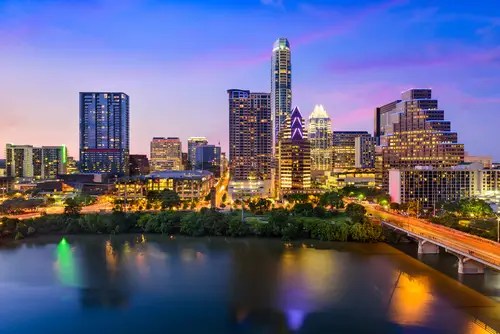
Austin has transformed rapidly from a laid-back college town into a booming tech center. That growth has pushed home prices and rents sharply upward. Longtime residents often talk about being priced out of neighborhoods they once could afford. Infrastructure hasn’t always kept up with population growth, leading to heavy traffic.
The summer heat is intense and prolonged. Temperatures frequently climb into the high 90s or above, which limits outdoor time for months. Rapid change can also shift the city’s culture, creating tension between newcomers and natives. That mix of heat, growth, and cost can feel overwhelming.
10. Denver, CO
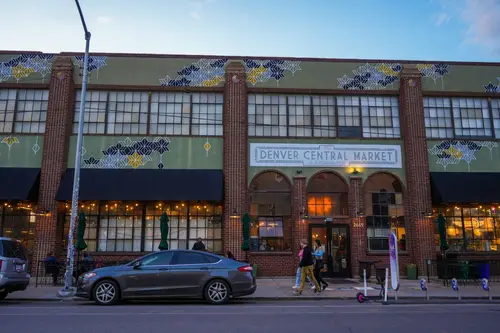
Living in Denver means access to the outdoors, but it also comes with rising costs. An influx of new residents over the past decade has driven up housing prices. Renters and buyers alike often face competitive markets. That financial pressure can surprise people who expected a more affordable Western city.
Altitude can be a physical stressor, especially for newcomers. The city sits about 5,280 feet above sea level, and some people experience headaches or fatigue at first. Traffic toward the mountains on weekends can be intense. When recreation requires planning around crowds and costs, it’s not always as relaxing as it looks.
11. Honolulu, HI
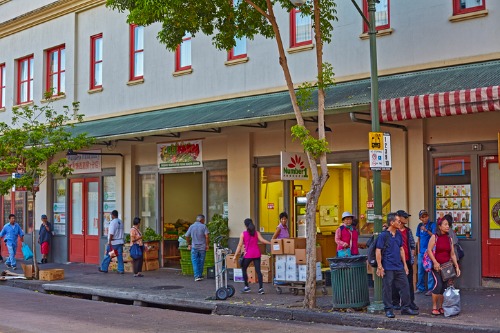
Honolulu offers stunning scenery, but isolation has a price. Nearly everything must be shipped to the islands, which drives up grocery and consumer costs. Housing prices are among the highest in the country relative to local wages. Many families live in multigenerational households to make ends meet.
Geographic isolation can also feel limiting. Visiting the mainland requires long flights and significant expense. Job opportunities are concentrated in tourism, government, and the military. For some residents, the beauty is undeniable, but the financial and logistical pressures add up quickly.
12. Atlanta, GA

In Atlanta, rapid growth has reshaped the metro area. Population increases have contributed to worsening traffic on major highways like I-285 and I-75. Commute times can stretch well beyond what newcomers expect. That daily gridlock alone can elevate stress levels.
Housing costs have also climbed in popular neighborhoods. While still more affordable than some coastal cities, prices have risen faster than wages in certain sectors. Hot, humid summers can feel draining, especially with long drives in traffic. Over time, growth-related strain can make the city’s energy feel exhausting rather than exciting.
This post Why Living in These Popular Areas Feels Stressful Quickly was first published on American Charm.

