
1. Memphis, Tennessee

Memphis boasts affordable housing and a rich cultural scene, but its financial underbelly is complex. The city’s debt obligations, tied in part to its airport and sports venues, weigh on its budget. Additionally, Memphis faces challenges with economic inequality and public education funding. These issues don’t show up in a basic cost‑of‑living comparison but matter deeply to residents’ wallets.
Infrastructure needs, from roads to sewer systems, often outpace available funding, leading to frequent tax proposals. Healthcare and social service costs are high due to persistent poverty rates. The public school system has fluctuated between state and local control, pointing to unstable revenue streams. Affordability becomes relative when these pressures push everyday costs up for average families.
2. Detroit, Michigan

Detroit still often shows up on “affordable cities” lists because housing prices are a fraction of the national average. But affordability on paper can hide a legacy of municipal debt and underfunded services. The city declared bankruptcy in 2013, wiping out some obligations but leaving pensions and infrastructure struggling to keep up. Residents may enjoy low rent, but they’re also paying higher fees for basic services compared with similar‑priced cities.
Many new homebuyers aren’t aware that property taxes can be volatile as the city tries to shore up revenue. Schools and public services often rely on temporary funding measures that feel like hidden taxes to locals. Energy and water utilities in Detroit have among the highest shutoff rates in the nation due to payment issues. That means people living there may find the “affordable” label doesn’t account for these financial pressures.
3. St. Louis, Missouri

St. Louis offers some of the lowest home prices in the U.S., which attracts bargain hunters and remote workers alike. However, the region’s fragmented local governments carry heavy debt loads that often translate into higher tax rates. The city and surrounding municipalities spend millions servicing that debt instead of investing in parks, schools, or public transit. Residents end up feeling the pinch through fees and taxes that creep up quietly over time.
The school district has struggled with budget shortfalls, affecting classroom resources and teacher pay. Public safety pensions are also underfunded, leading to proposals for increased contributions from current employees and taxpayers. Many neighborhoods still bear the scars of disinvestment, which depresses property values and creates a cycle of decline. So while initial costs might seem low, the long‑term financial picture can be murky.
4. Cleveland, Ohio
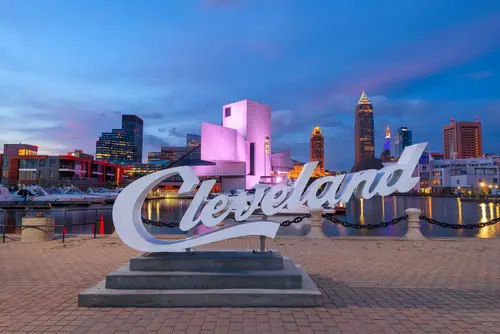
Cleveland’s low cost of living makes it an appealing choice for people priced out of bigger coastal cities. Yet the city carries long‑standing fiscal challenges, including sizable debt from infrastructure projects and public sector obligations. Much of this goes unnoticed by newcomers until they see taxes creep up or services get reduced. The city’s credit rating has been under pressure in the past, reflecting these ongoing issues.
Budget deficits have forced cuts to libraries, parks, and community programs. The police and fire pension systems have been cited as underfunded for years, which can lead to higher taxes or benefit cuts to stabilize them. Health indicators like life expectancy and chronic disease rates also reflect systemic disinvestment. So while rents are low, the overall quality of life can be affected by these hidden financial strains.
5. Buffalo, New York
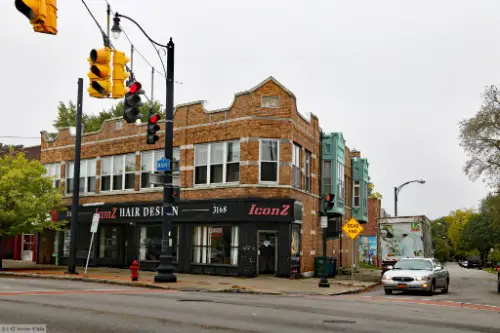
Buffalo’s affordable housing market makes it stand out in New York State, drawing people from higher‑priced areas. But like many post‑industrial cities, it has accumulated debt for redevelopment projects that haven’t always panned out. Economic revitalization efforts sometimes require public guarantees of private debt, which can become a taxpayer burden. New residents might not realize they’re stepping into a city still balancing the books from decades of fiscal decisions.
Property taxes in Buffalo are higher than in many Sun Belt cities, even though incomes lag national averages. The school district has faced funding crises, leading to state intervention at times. Blighted properties and slow turnover mean the tax base struggles to grow. These financial realities mean “cheap” housing may come with trade‑offs residents discover later.
6. Birmingham, Alabama

Birmingham’s cost of living is well below the national average, especially when it comes to housing. However, the city’s municipal debt and pension obligations are significant forces in budget decisions. Funding for roads, parks, and community programs often competes with mandatory payments on past borrowing. Residents may feel grateful for lower rent but get surprised by frequent tax hikes or fee increases for basic services.
The police and firefighter pension funds have historically been underfunded, leading to tough choices each budget year. This underfunding puts pressure on current taxpayers to cover gaps from decades past. Economic development zones sometimes shift tax revenue away from general funds, masking real costs. In practice, this can mean trade‑offs between affordability and public services.
7. Rochester, New York
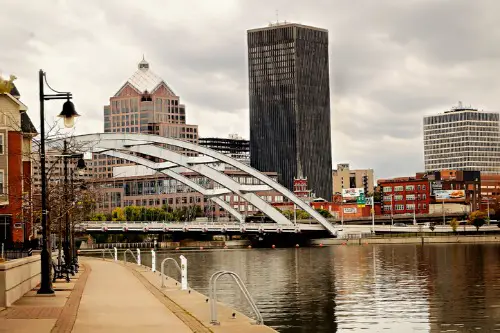
Rochester often ranks as affordable because of its low home prices and moderate rents. But the city has substantial debt tied to public utilities and redevelopment bonds. Utility rates in Rochester are among the highest in the region, partly to service that debt. For newcomers, lower housing costs can be offset by higher monthly bills.
The city also has a shrinking population, which spreads debt obligations across fewer taxpayers. Schools have faced budget shortfalls, affecting educational quality and local appeal. Public sector pension funding pressures linger here too, similar to other older industrial cities. These financial strains aren’t obvious when scanning a cost‑of‑living chart but matter in daily life.
8. Toledo, Ohio
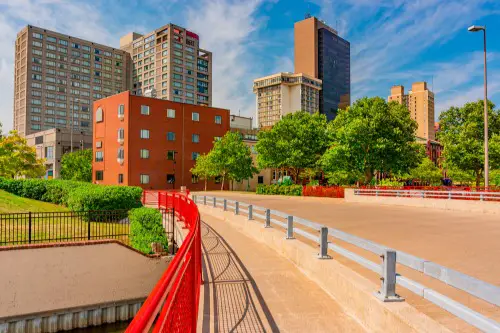
Toledo’s charm and affordability make it attractive to first‑time buyers and retirees alike. Yet the city has weathered economic shifts that left debt tied to old industrial facilities and water infrastructure upgrades. Residents often find that water and sewer bills are higher than expected, partly due to the need to pay for system improvements. Municipal bonds are still being paid down, which limits flexibility in other budget areas.
Toledo’s population decline over decades means fewer taxpayers to cover fixed costs. Education funding has been a persistent challenge, with the local district depending on state aid and occasionally facing deficits. Emergency services and road maintenance sometimes feel stretched as a result. So the “cheap” label doesn’t always translate into an easy cost of living.
9. St. Paul, Minnesota

St. Paul is pricier than some entries here but still labeled affordable compared with comparable Midwestern metros. However, its long‑term debt from capital projects like transit and public buildings affects budgets. The city also faces rising pension costs that eat into funds for new initiatives. Many locals feel the squeeze through property tax increases over time.
Investment in public transportation, while beneficial, was financed through borrowing that requires steady revenue. Growing service demands from a diverse and expanding population add pressure. These factors mean that property taxes and fees can climb faster than wages. So newcomers might find “affordable” comes with a catch in the tax bill.
10. Indianapolis, Indiana
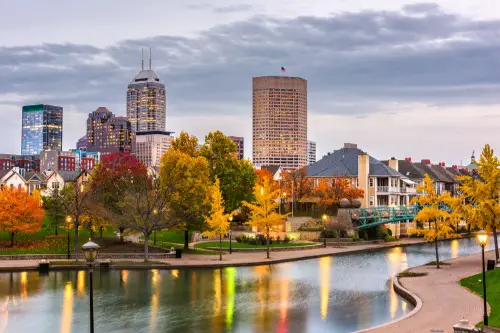
Indiana’s capital gets attention for housing affordability and a growing job market. Yet Marion County’s debt from public works and redevelopment districts has shaped budgets for years. Infrastructure bonds are significant, and the repayment often comes through tax increment financing that isn’t obvious to residents. People attracted by low rent may not realize they’re funding the city’s growth plans indirectly.
The city’s transit expansion, while needed, adds long‑term financial obligations. Public sector pension liabilities are modest compared with some peers, but still a budget item that can constrain spending. Economic development subsidies have shifted revenue streams away from general services. Ultimately, affordability has trade‑offs tied to how growth is financed.
11. Milwaukee, Wisconsin

Milwaukee’s cost of living is a draw for families and young professionals. Yet like many older cities with legacy industries, it carries debt from past economic transitions and infrastructure needs. Water utility debt, in particular, shows up in quarterly bills rather than upfront prices. That makes everyday expenses feel higher than expected for those focusing just on rent or mortgage costs.
Pension obligations for city employees also take a notable chunk of the annual budget. This limits how much can be spent on parks, libraries, and community development. The tax base has struggled with population shifts, meaning fewer payers for the same services. So the “affordable” badge doesn’t always capture the complete financial picture.
12. Kansas City, Missouri
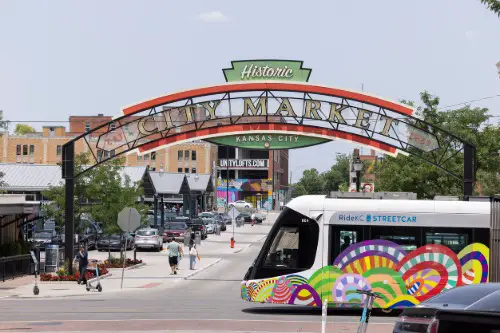
Kansas City straddles two states and often gets praise for affordable living and a vibrant cultural scene. But the city’s debt from sports arenas, convention centers, and public projects has been a source of controversy. These obligations get repaid through taxes and special assessments that locals see over time. People who move there for the low cost of living might be surprised by how much of their tax bill goes toward servicing old bonds.
The transit system expansion also comes with future funding commitments. Economic incentives for development have siphoned money from general funds to keep borrowers happy. While housing may look cheap at first glance, the broader financial commitments of the city can influence living costs more than newcomers expect.
This post Why Even These “Affordable Cities” Come With Hidden Debt was first published on American Charm.

