1. Detroit, Michigan: When Betting the Farm on One Industry Cripples a City
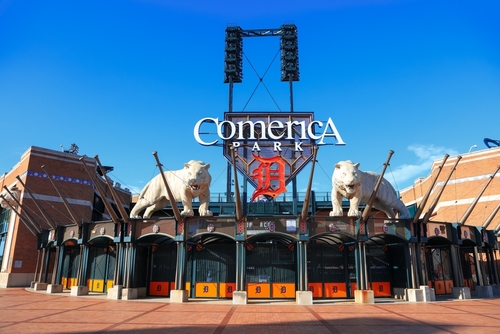
Detroit once seemed destined for greatness thanks to its booming auto industry, but decades of economic reliance on Big Three manufacturing eventually became a liability. As jobs disappeared and the tax base shrank, the city struggled to fund basic services and retirement obligations, contributing to the largest municipal bankruptcy in U.S. history in 2013. What looked like a sensible investment in a core strength turned into a trap when global shifts hit the industry hard. Locals still feel the impact in empty neighborhoods and strained public services years later.
The lesson here isn’t that Detroit lacked assets—far from it—but that good decisions about economic focus must be paired with diversification plans. Without a broader economic strategy, when the auto sector faltered, there was little to catch the city. Even with new downtown investments, many Detroiters outside those core zones still face underemployment and infrastructure decay. It’s a cautionary example of how putting too many eggs in one economic basket can backfire.
2. Flint, Michigan: Cost‑Cutting That Poisoned the Water
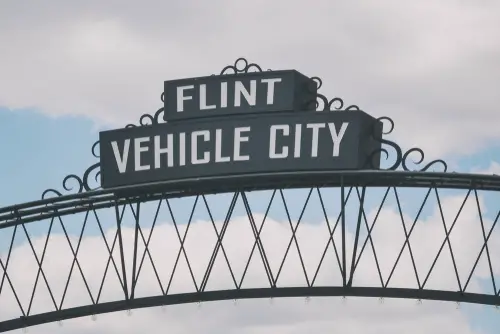
In 2014, Flint’s leaders made what they thought was a fiscally responsible choice: switch the city’s water source to save money. Unfortunately, the temporary use of the Flint River without proper corrosion controls caused lead to leach from aging pipes into the drinking water, exposing thousands of residents to toxic contamination. Rather than just a plumbing issue, this decision triggered a public‑health disaster and extensive legal battles that continue years later. The crisis eroded trust in government and created long‑term health and infrastructure costs far exceeding the budget savings the switch promised.
At the time, officials celebrated what seemed like sound financial stewardship, but they overlooked critical safety safeguards. The result shows how prioritizing short‑term savings over careful analysis of public health risks can backfire spectacularly. Flint’s experience is now a reference point in discussions about aging infrastructure and environmental justice nationwide.
3. Brunswick, New York: Commercial Development Brings Traffic Headaches
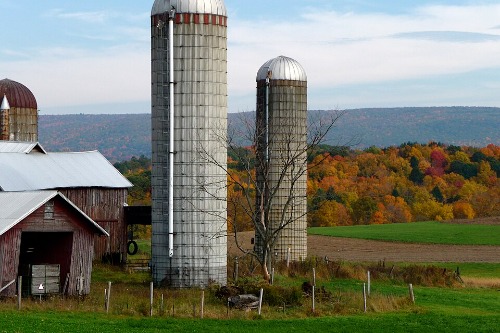
In the 1990s, Brunswick welcomed a big‑box retailer and other businesses along Hoosick Road hoping to stimulate local economy and reduce the need for residents to shop elsewhere. Instead of just convenience and jobs, the town confronted heavier traffic and pressure on infrastructure it wasn’t designed to handle. What seemed like a straightforward win for local commerce brought congestion and calls to rethink traffic patterns. This highlights how attracting big retailers can have mixed effects on small towns when planning for growth doesn’t keep pace.
The story of Brunswick resonates with many communities that have courted large commercial projects. On paper, such developments promise more tax revenue and local choice. In practice, they can strain roads and change the feel of once tranquil neighborhoods. Brunswick’s experience reminds planners that economic gains must be balanced with quality‑of-life considerations.
4. Stockton, California: Bankruptcy After Fiscal Gambles

Stockton made headlines in the early 2010s for filing for municipal bankruptcy, a decision tied in part to ambitious fiscal policies that didn’t hold up when the housing market crashed. Generous pension promises and debt taken on during boom years left the city vulnerable when revenues plummeted. What had seemed like responsible planning in prosperous times became unsustainable when the economic winds changed. Stockton had to restructure debt and rethink budgeting, illustrating the danger of overreliance on optimistic forecasts.
This isn’t unique to Stockton—other cities have been pushed toward financial distress for similar reasons—but the scale and visibility of its bankruptcy made it a cautionary case. Local leaders had believed that growth and prosperity would continue unabated, and when they didn’t, the consequences were stark. It underscores the importance of prudence and flexibility in municipal finance.
5. New Orleans, Louisiana: Engineering Choices Amplify Disaster Risk
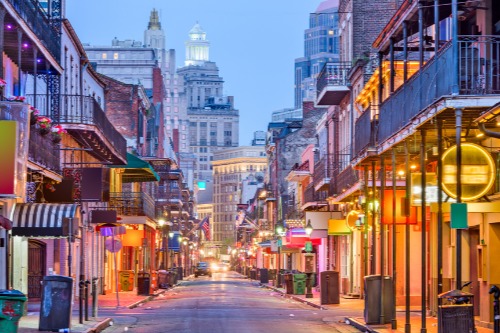
New Orleans’ history of expanding into wetlands and building extensive levee systems was driven by a desire to grow and protect the city below sea level. Those engineering choices were seen as essential to economic development and flood control. However, when Hurricane Katrina struck in 2005, weaknesses in those systems and the decision to build in vulnerable areas magnified the devastation. What was meant to safeguard and promote growth instead highlighted how ignoring natural constraints can create long-term risk.
The rebuilding that followed has shaped the city’s geography and demographics for decades. While not a “mistake” in intent, it demonstrates how decisions that don’t account for environmental realities can lead to catastrophic outcomes when conditions change. New Orleans’ story is often cited in planning circles as a lesson in resilience.
6. Gary, Indiana: Company Town Vulnerability
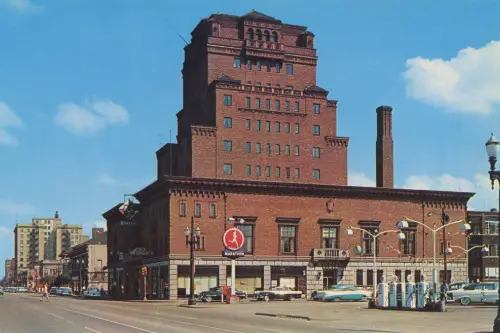
Gary was planned around the steel mills that anchored its economy and provided jobs throughout much of the 20th century. For decades, that seemed like a smart alignment of resources, workforce, and location. But when global shifts in steel production hit, the city’s fortunes declined rapidly, leaving abandoned buildings, plummeting tax revenues, and a shrinking population. The initial success became a long-term vulnerability when leaders didn’t diversify.
Gary’s experience shows the risks of tying a community’s identity too closely to one industry. When the mills cut jobs or closed, there was little else to sustain local commerce and public services. Today, the city continues efforts to redefine itself, but the legacy of reliance on a single employer remains.
7. Baltimore, Maryland: Urban Renewal That Fractured Neighborhoods
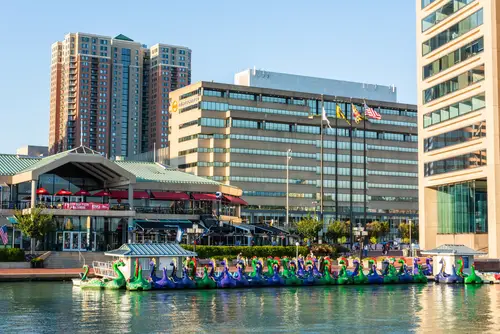
Mid‑20th-century renewal efforts in Baltimore aimed to modernize and attract investment to aging parts of the city. Highways were built through dense neighborhoods, and large-scale redevelopment projects sought to clear blight. Yet these decisions often displaced communities and created physical barriers that persist today. The intent was progress, but the outcome included fractured neighborhoods and long-lasting socio-economic divides.
The infrastructure was meant to improve connectivity but sometimes cut off access and commerce for local residents. These choices shaped patterns of inequality that Baltimore still contends with. It’s a reminder that “renewal” must be sensitive to existing communities.
8. Cleveland, Ohio: Industrial Priorities Over Environmental Health

Cleveland’s infamous Cuyahoga River fire in 1969 became a symbol of environmental mismanagement after decades of prioritizing industrial output over ecological concerns. While the intent of industrial zoning was job creation and economic strength, it led to severe pollution that ultimately harmed public health and required substantial cleanup. That disaster helped spur the modern environmental movement, including the Clean Water Act. Sometimes decisions optimized for economic activity can sow the seeds of later crises that require far more effort to fix than to prevent.
The city had to balance the benefits of industrial jobs with the costs of environmental degradation. Cleveland’s evolution shows how ignoring environmental health can undercut quality of life and commerce in the long run.
9. Phoenix, Arizona: Water Reliance and Sprawl Stress
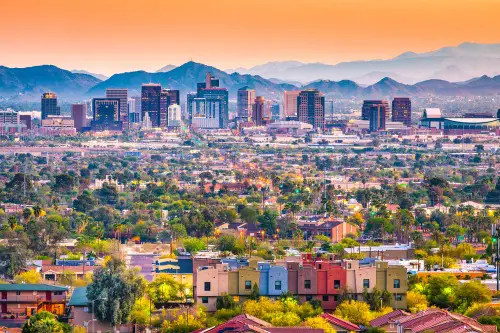
Phoenix embraced large water-delivery projects and aggressive groundwater use to fuel rapid suburban growth in the desert. On paper, securing water through major infrastructure enabled expansion and economic opportunity in an inhospitable climate. But those choices have created sustainability concerns as drought and warming strain supplies, and sprawling development increases heat and infrastructure costs. What seemed like a path to prosperity has left planners grappling with long-term resource challenges.
The city’s growth model didn’t anticipate the intensity of future climate pressures. Residents now face trade-offs between continued expansion and conserving finite resources. It’s a vivid example of how growth strategies must adapt to environmental constraints.
10. Louisville, Kentucky: Flood Risks and Infrastructure Lag
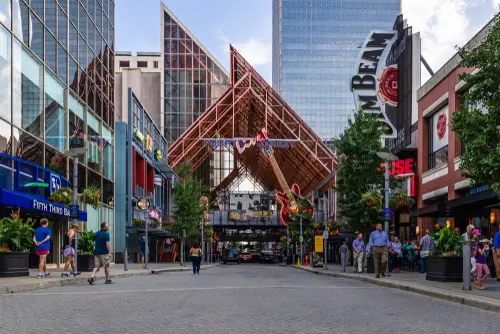
In Louisville, early urban planning that didn’t prioritize flood mitigation along the riverfront was paired with zoning that favored industrial uses over resilient residential areas. This seemed practical at the time to support commerce and population growth. Yet repeated flooding and lagging infrastructure investment have left some neighborhoods vulnerable and property values pressured by risk. The core idea was economic development, but nature and outdated infrastructure have made certain areas less safe and stable.
The city’s experience underscores how failing to integrate environmental risk into planning can backfire. Good intentions about growth can amplify hazards if not balanced with resilience.
11. Anchorage, Alaska: Resource Booms and Budget Volatility

Anchorage has historically relied heavily on oil revenue to fund city services, which made sense when prices were high. However, reliance on a single resource left the city vulnerable to market swings, forcing sudden budget cuts when oil prices dropped. Decisions to expand services and infrastructure during boom periods appeared sound but became risky during downturns. Residents have faced gaps in services and unpredictable taxes because the city’s revenue model lacked stability.
Anchorage’s experience illustrates the peril of tying municipal planning too closely to volatile commodities. Even well-intentioned investments can backfire if they don’t account for cyclical risk. It’s a reminder that what looks like fiscal prudence in good times can turn into instability in bad times.
This post Why Even “Good Decisions” Can Backfire in These Towns was first published on American Charm.