
1. Home prices are still elevated compared to incomes
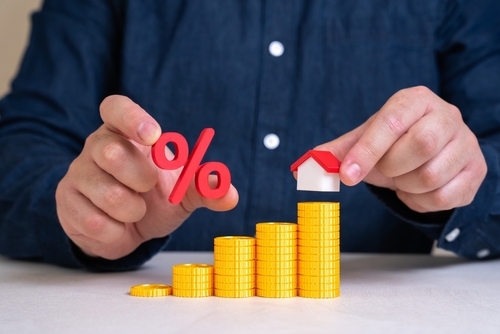
Even after cooling periods in some cities, home values remain historically high relative to wages. The Case-Shiller index tracks repeat home sales and has shown how dramatically prices surged during the early 2020s. Many buyers now need a larger share of their income just to cover a mortgage, taxes, and insurance. When affordability is stretched this thin, even small economic shocks can feel dangerous.
That imbalance changes the math of homeownership. Buyers may rely on thinner emergency savings just to close the deal. If a job change, medical expense, or rate reset hits, there’s less margin for error. The psychological pressure of carrying a big housing payment can also shape life decisions in ways people don’t always anticipate.
2. Interest rates are being steered by the Federal Reserve — and that hits buyers fast

If you’ve been watching mortgage quotes lately, you’ve probably felt a little whiplash. When the Federal Reserve raises or signals higher benchmark rates to fight inflation, mortgage rates tend to climb too, often within days. That means the exact same home can suddenly cost hundreds more per month than it did a few weeks earlier. For buyers stretching to qualify, that volatility makes timing feel less like planning and more like gambling.
The risk isn’t just higher payments — it’s uncertainty while you shop. A preapproval that felt comfortable can quickly become tight if rates move before you lock. Buyers sometimes pause, hoping rates fall, only to find home prices still climbing. That tug-of-war between affordability and timing creates real financial exposure, especially for first-time buyers with little cushion.
3. Inventory shortages push buyers into tougher decisions

Low housing inventory means fewer choices and more competition. When homes are scarce, buyers feel pressure to waive inspections, escalate bids, or rush decisions. The National Association of Realtors regularly reports tight supply conditions that amplify this urgency. That competitive environment can increase the chance of overlooking costly issues.
Rushed buying decisions carry long tails of risk. Skipping inspections might hide structural or mechanical problems that surface after closing. Paying well above asking can leave owners vulnerable if local prices soften. Buyers often realize later that emotional momentum — not just financial logic — influenced the deal.
4. Mortgage market shifts influence financing options
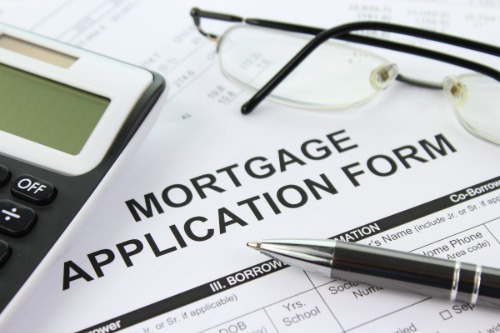
Mortgage availability isn’t static, and lending standards can tighten quickly. Freddie Mac’s market tracking often reflects how lenders respond to economic stress or regulatory shifts. When credit conditions stiffen, buyers with solid but imperfect profiles may face higher rates or rejection. That unpredictability adds another layer of planning risk.
Financing complexity can ripple through the whole purchase. Buyers might structure loans creatively to qualify, increasing long-term costs. Adjustable terms or smaller down payments can magnify exposure to rate or market swings. Understanding those tradeoffs requires more financial literacy than many people expect going in.
5. Market expectations shaped by platforms like Zillow can distort buyer psychology

Online pricing tools make home values feel precise, but they’re still estimates built on models. Zillow’s popular valuations influence expectations on both sides of a transaction. Buyers may anchor too strongly to digital numbers that don’t capture neighborhood nuance or property condition. That gap between model and reality can lead to overconfidence.
Psychological anchoring changes negotiation behavior. Buyers sometimes stretch budgets to chase a perceived deal or walk away from fair pricing because it doesn’t match an estimate. When expectations drift from fundamentals, decision quality suffers. In a high-stakes purchase like a home, even small judgment errors can echo for years.
6. Rising property taxes amplify financial uncertainty

In many areas, local governments are reassessing property values, which often drives taxes higher. Even if your mortgage payment stays fixed, your total monthly housing cost can jump unexpectedly. Buyers who budgeted based only on mortgage rates may find themselves stretched thin. This unpredictability makes long-term planning trickier.
It’s not just the first year that matters. Escalating property taxes compound over time, sometimes faster than wage growth. For people who are already financially tight, this can push a home from a manageable expense to a risky burden. Many owners only realize the scale of the hit after closing.
7. Inflation continues to erode purchasing power

Even if your income rises, inflation can offset gains and make housing feel less affordable. Prices for goods, utilities, and services often climb alongside mortgages, eating into the buffer buyers rely on. When your monthly expenses rise faster than anticipated, homeownership can feel precarious. It’s a stressor that compounds over years, not months.
Inflation can also influence market behavior. Sellers may hold out for higher prices, assuming buyers’ pockets are deep, which keeps competition fierce. Buyers are left weighing stretching budgets against potential long-term overpayment. The result is a heightened sense of risk in each transaction.
8. Natural disasters and climate risk are more visible in real estate

Homes in areas prone to wildfires, floods, or hurricanes carry added insurance costs and resale uncertainty. Climate change has amplified the frequency and severity of these events, and buyers are increasingly factoring that into their calculations. Even with insurance, rebuilding or relocation costs can be enormous. That uncertainty makes some otherwise attractive markets feel financially risky.
The ripple effects are subtle but powerful. Mortgage lenders may require extra coverage, adding to monthly expenses. Local zoning and building restrictions can complicate improvements or expansions. Awareness of these risks can influence both purchase decisions and long-term financial planning.
9. Economic shocks can upend job security
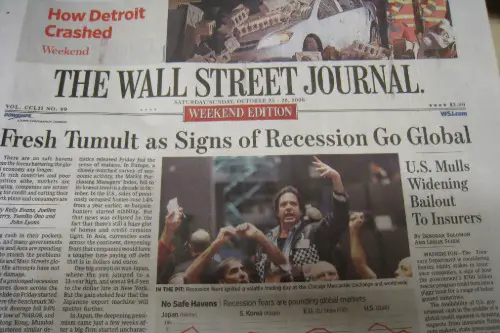
Many buyers assume stable income when committing to a mortgage, but layoffs and economic slowdowns can strike unexpectedly. Industries shift, companies downsize, and some careers face automation pressures. A sudden income loss can quickly turn homeownership into a stress-laden burden. This vulnerability makes large mortgage commitments feel riskier than ever.
It’s not always immediate; the financial strain can emerge gradually. People may cut back on essentials, defer maintenance, or even fall behind on payments. Early awareness helps, but the unpredictability adds tension to any real estate purchase. For many, it’s a psychological risk nearly as pressing as a financial one.
10. Urban and suburban markets behave differently, creating local volatility

Some cities have seen dramatic price swings while nearby suburbs remain steady or rise unexpectedly. This divergence can confuse buyers trying to pick the “safe” market. Trends like remote work, shifting demand, and gentrification amplify these micro-market risks. Without careful local research, buyers may overpay in one area or miss better opportunities elsewhere.
Local volatility isn’t always easy to spot until after purchase. A neighborhood that seems stable today may face sudden development pressures or zoning changes. That can impact resale value and livability. Buyers need to weigh both macro and micro trends to avoid unpleasant surprises.
11. Homeownership now often competes with other investment options
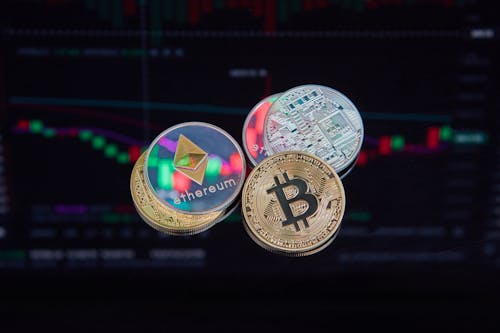
With stock markets, crypto, and alternative investments capturing attention, people question whether locking money into a house is prudent. Returns in housing aren’t guaranteed, and costs of maintenance, taxes, and fees eat into potential appreciation. Comparing this to more liquid or diversified investments can make home purchases feel riskier. Financial opportunity cost is real and tangible in today’s environment.
This isn’t just theoretical; buyers increasingly delay purchases to chase other avenues. Waiting for “perfect timing” can mean missing homes altogether or entering markets at peak prices. The mental calculation of risk vs. reward adds another layer of stress to what should be a life milestone. For many, it’s a balancing act that feels higher stakes than ever.
This post Why Buying a Home Feels Riskier Than Ever was first published on American Charm.

