
1. Cultural Love of Lists

Americans have a documented cultural attachment to lists and organization. Grocery lists, to-do lists, and travel itineraries reflect a love of structure. This habit naturally extends to even casual outings. A simple afternoon at the park can end up with a checklist of snacks, games, and seating options.
The act of listing brings satisfaction and reduces stress. Crossing items off gives a sense of accomplishment. People sometimes overplan simply because it’s enjoyable and familiar. It’s less about necessity and more about psychological comfort.
2. Desire for Control
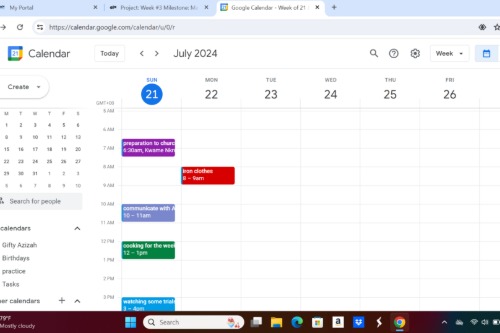
Overplanning is a way to exert control in everyday life. Scheduling every detail reduces uncertainty, which can be uncomfortable for many. Even simple gatherings like a picnic get spreadsheets of items, times, and backup plans. The more they plan, the safer they feel against unexpected surprises.
This craving for control often reflects larger cultural norms. Americans are socialized to believe success comes from preparation and proactivity. That mindset spills over into leisure activities, making spontaneity seem careless. Overplanning gives the illusion of mastery over circumstances.
3. Fear of Social Judgment

People overplan because they worry about what others will think. Showing up late, unprepared, or disorganized can feel embarrassing in social contexts. A simple coffee meetup turns into a checklist: what to wear, which route to take, even conversation starters. The anxiety of judgment fuels overplanning.
This concern is amplified in digital culture. Social media encourages documentation of “perfect” experiences, which pressures people to get every detail right. Overplanning becomes a form of social armor. In essence, they’re trying to avoid perceived failure in front of others.
4. Cultural Emphasis on Productivity

In the U.S., there’s a strong link between worth and productivity. Even downtime is framed as something that should be optimized. People schedule workouts, errands, and leisure with strict timelines. This approach makes spontaneous, unstructured activities feel almost irresponsible.
As a result, small tasks like grocery shopping can get mini-itineraries. People plan the most efficient route, the right time to go, and even backup stores. It turns casual routines into tightly managed operations. Overplanning becomes a habit born from a productivity mindset.
5. Reliance on Technology
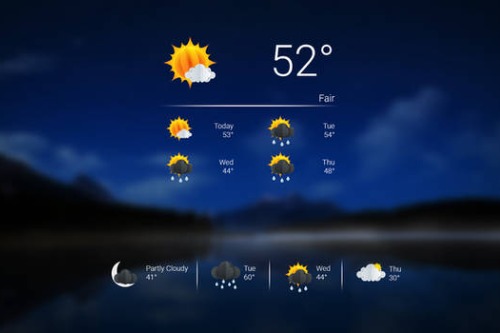
Smartphones and apps make overplanning easier than ever. Navigation apps, weather alerts, and calendar reminders create an ecosystem where nothing is left to chance. People start treating even a simple walk or coffee trip like a project. Technology encourages meticulous planning by default.
This reliance fosters anxiety about unplanned outcomes. If apps suggest a delay or a change, it can throw the entire schedule off. That’s why people create elaborate backup plans. Overplanning is a response to technological precision feeding expectations.
6. Fear of Missing Out (FOMO)

Overplanning can come from a desire to experience everything without missing a beat. Americans often feel pressure to squeeze the most enjoyment out of every moment. Even a short hike might involve planning multiple stops, restaurants, or photo opportunities. This ensures they feel like they didn’t “miss” anything.
FOMO creates a mental checklist for leisure. People anticipate what could go wrong or what they might forget. By overplanning, they feel like they’ve covered all possible experiences. It transforms fun into a strategic mission.
7. Anxiety About Uncertainty

Some overplanning stems from general anxiety about unknowns. Not knowing traffic, weather, or other people’s schedules can trigger stress. Planning every detail feels like a shield against unpredictability. The more uncertain the activity, the more elaborate the plan.
Anxiety-driven planning often includes multiple backup options. People may even rehearse scenarios or outcomes mentally. While the activity itself is simple, the brain is running through worst-case scenarios. Overplanning becomes a coping mechanism for discomfort with the unknown.
8. Fear of Wasting Time

Americans often overplan simple activities because there’s a strong cultural emphasis on efficiency. Even something like a weekend brunch can feel like it needs a detailed schedule. The idea is that unplanned time is “wasted,” so people try to predict every step. This mindset can turn a 30-minute walk into a half-day itinerary.
When people fear wasting time, they create contingency plans for everything. They’ll map out alternative routes, check traffic apps, and even decide which songs to play. The pressure to maximize every minute makes spontaneity feel risky. Overplanning becomes a safety net against feeling like time slipped away.
9. Perceived Need to Entertain

Many Americans overplan because they feel responsible for creating a perfect experience. Hosting friends or family triggers detailed meal plans, games, and timing for activities. Even a casual movie night can come with decorations, snacks, and contingency options. The goal is to guarantee enjoyment for everyone.
This stems from a culture that equates hosting with performance. People want to be seen as competent and thoughtful. Overplanning ensures that the social experience meets these high expectations. Failure to plan might be interpreted as negligence.
10. Habit from Work Culture

Workplace habits bleed into personal life. People used to managing projects and deadlines professionally often apply the same methods to leisure. A simple coffee run can turn into a “project” with objectives, timelines, and deliverables. This blending of work and personal life reinforces overplanning.
Even small tasks are treated like professional responsibilities. Using spreadsheets, calendars, and reminders in personal life mirrors office routines. It’s a learned behavior from environments that value meticulous preparation. Overplanning becomes automatic rather than intentional.
11. Desire for Predictable Outcomes

Finally, Americans overplan because they crave predictability. Knowing what will happen reduces stress and creates comfort. Even minor uncertainties like “what if it rains?” trigger elaborate contingencies. Overplanning provides the illusion of stability in a world full of variables.
This need for predictability applies to both small and large activities. People feel anxious when outcomes are unknown, so planning feels like control over chance. Simple leisure becomes a careful exercise in risk management. Overplanning becomes a habit to guard against unpredictability.
This post Why Americans Overplan Simple Activities was first published on American Charm.

