
1. The Allure of Luxury Brands
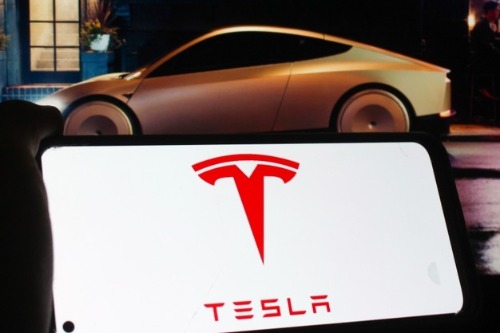
Many Americans equate expensive brands with success, even if it comes at the cost of financial stability. Carrying a high-end purse or driving a luxury car sends a message that says, “I’ve made it.” People often prioritize these symbols over practical choices like saving or investing. It’s a quick, visible status boost that feels rewarding in the moment.
Yet, this chase for luxury can create hidden risks. Overspending on status items can lead to debt, stress, or even missing essential insurance coverage. The temporary glow of admiration from others rarely offsets long-term financial insecurity. Still, the social payoff keeps people trading safety for style.
2. Fear of Being Left Behind

Americans are highly influenced by social comparison. Seeing neighbors, colleagues, or influencers with bigger houses or flashier gadgets can create anxiety. This fear of missing out pushes people to make risky financial or social decisions. Safety takes a back seat when fitting in feels urgent.
It’s not just peer pressure; it’s a cultural expectation to show progress visibly. Many take loans or engage in risky investments just to “keep up.” The irony is that the more people try to match others’ status, the more precarious their own situation becomes. Yet, stopping is emotionally difficult because falling behind feels like failure.
3. Instant Gratification Culture
From apps to streaming to fast fashion, Americans are trained to expect immediate rewards. Status symbols offer instant social approval, while safety measures like saving or building emergency funds feel delayed. This tension between short-term thrill and long-term security is hard to resist. The excitement of showing off often wins over prudent planning.
Psychologists call this “temporal discounting,” where immediate benefits overshadow future consequences. People will splurge on trendy items even if it risks their financial or physical safety. It’s why some choose flashy but unreliable cars or live paycheck-to-paycheck in expensive neighborhoods. The rush of attention feels like a payoff bigger than any delayed security.
4. Social Media Amplification

Platforms like Instagram and TikTok turn daily life into a competition for likes. Status symbols—designer clothes, exotic vacations, cutting-edge tech—are constantly broadcasted. This amplifies pressure to appear successful even if it’s unsafe financially or socially. Realistic choices get drowned out by curated perfection.
The problem is, people rarely show the behind-the-scenes consequences online. Debt, burnout, or health risks remain invisible while prestige is glorified. Seeing peers live seemingly glamorous lives makes risky trade-offs seem normal. Social media becomes a megaphone for trading safety for image.
5. Workplace Status Wars

Career advancement often emphasizes prestige over stability. Employees chase titles, office perks, and public recognition, sometimes at the cost of their health or personal life. Overtime, stress, and risky job moves can compromise long-term well-being. The lure of being “important” at work can feel irresistible.
Americans often judge success by recognition rather than security. Missing a promotion or prestigious project can feel like social failure. This pushes people to overextend themselves financially and mentally. Safety in terms of health or job stability is often sacrificed to maintain an image of upward mobility.
6. Cultural Heroism of Risk-Takers

American culture romanticizes bold moves: entrepreneurs, adventurers, and daredevils. Risk-taking is associated with courage and ambition. People admire those who appear fearless, even when their choices are unsafe. This sets an example that “playing it safe” is boring or mediocre.
Consequently, many Americans model themselves after these high-risk figures. They may invest in volatile stocks or pursue ventures without proper planning. The potential social payoff outweighs the likelihood of failure in their minds. It’s about identity—being seen as brave rather than cautious.
7. Peer Validation Beats Planning

Humans naturally crave approval, and status provides it quickly. Sharing a new gadget or luxury purchase sparks compliments, likes, or admiration. Safety, like financial prudence or personal health habits, often doesn’t elicit the same response. Social approval is addictive, and people trade stability for it.
This isn’t superficial—it’s neurological. The brain’s reward centers light up when others acknowledge status symbols. That dopamine hit can outweigh concerns about long-term risks. It’s why Americans may drive an unsafe car just to look impressive or spend beyond their means to fit in.
8. Mistrust in Institutions
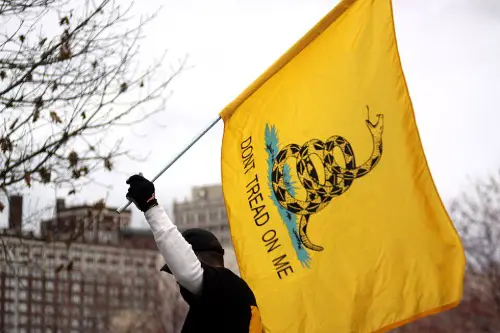
Many Americans doubt social safety nets like healthcare or retirement programs. If they can’t rely on institutions, showcasing personal success becomes a form of protection. Wealth and status are seen as armor against uncertainty. People gamble on status as a way to assert control.
The downside is that this strategy is inherently risky. It encourages overspending, speculation, and prioritizing appearances over real safety. Ironically, chasing status to gain security often increases exposure to danger. This cycle reinforces trading stability for prestige.
9. Celebrity Influence

High-profile figures set examples that status is everything. From actors to business moguls, public admiration often focuses on glamour, not caution. Fans mimic these lifestyles without fully understanding the risks involved. Safety lessons rarely go viral.
Endorsements and media coverage amplify this behavior. If a celebrity flaunts a risky lifestyle yet appears successful, it signals that risks are acceptable. Fans internalize the message that image trumps security. It creates a cultural echo chamber prioritizing status over survival.
10. The Thrill of Storytelling

People love telling stories of triumph, adventure, or overcoming risk. Living boldly—even unsafely—creates narratives others admire. Status comes with a social story, while cautious decisions rarely make for exciting conversation. Humans are wired to remember and reward tales of daring.
This motivates Americans to seek status over safety. Buying expensive, risky assets or living in flashy ways becomes part of a personal legend. Friends and social circles reinforce the behavior with praise. The desire to be remembered outweighs the need to be secure.
11. Identity and Self-Worth Tied to Image

Many Americans link their personal value to visible achievements or possessions. Safety and security are private and often invisible. Status provides immediate feedback that validates self-worth publicly. Sacrificing stability can feel worth it if it enhances identity.
This mindset turns risk into a tool for self-expression. A house, car, or designer wardrobe isn’t just a possession—it’s proof of success. People tolerate financial strain, health risks, or legal exposure to maintain this image. In the end, trading safety for status becomes a way of saying, “I matter, and I’m seen.”
This post Why Americans Keep Trading Safety for Status was first published on American Charm.

