
1. United Arab Emirates

The UAE appeals with tax-free income and modern infrastructure. Americans often relocate for lucrative corporate roles. Residency is employment-linked, creating vulnerability during job transitions. Sponsorship structures define legal standing.
Cost of living in major cities can be steep. Social norms and legal frameworks differ significantly from the U.S. Healthcare is high quality but insurance-driven. Financial security hinges on continuous employment.
2. Portugal

Portugal’s relaxed pace and once-famous visa pathways made it a relocation darling. Americans picture sun-soaked coastal living paired with affordable healthcare. In practice, housing shortages and rising rents in Lisbon and Porto have changed the equation. Administrative backlogs can leave newcomers in legal limbo longer than expected.
Language barriers also surface more than many anticipate outside tourist zones. Job opportunities for non-Portuguese speakers are limited, tightening financial margins. Healthcare is solid but requires learning the public-private balance. Without steady income planning, the dream lifestyle can wobble quickly.
3. Thailand

Thailand attracts Americans with low day-to-day costs and vibrant city life. Remote workers imagine seamless beach-to-café productivity. Visa categories, however, are strict and frequently updated. Many expats rely on short-term solutions that don’t translate into long-term security.
Healthcare quality is high in private hospitals but tied to out-of-pocket spending. Cultural expectations around work and communication can feel opaque at first. Income instability becomes a bigger issue when exchange rates shift. The lifestyle is appealing, yet structurally fragile for those without solid planning.
4. Costa Rica

Costa Rica markets itself as peaceful, eco-friendly, and welcoming to foreigners. Americans often arrive expecting an easy transition into tropical living. Import taxes, vehicle costs, and bureaucratic processes can surprise even well-prepared movers. Everyday logistics frequently take longer than newcomers expect.
Healthcare is respected but requires understanding public enrollment rules. Rural living brings beauty alongside infrastructure limitations. Remote income must stretch further when hidden costs appear. Stability depends heavily on patience and strong financial buffers.
5. Spain

Spain’s culture, cuisine, and walkable cities make it incredibly appealing. Americans often pursue language study or digital nomad routes. Youth unemployment and competitive job markets complicate local employment plans. Regional bureaucracy varies, adding layers of unpredictability.
Housing regulations and tenant protections are strong but complex. Seasonal tourism can distort rental availability and pricing. Integrating socially requires more effort than casual visitors assume. Financial sustainability becomes the real long-term challenge.
6. Germany

Germany promises economic stability and world-class infrastructure. Skilled Americans are attracted by engineering, tech, and research sectors. Credential recognition and licensing can delay employment eligibility. Bureaucracy is thorough and often paper-heavy.
Language expectations extend beyond casual conversation. Social systems are robust but require strict compliance with regulations. Housing shortages in major cities intensify financial pressure. Stability exists, but accessing it takes persistence.
7. Japan

Japan fascinates Americans with safety, transit efficiency, and cultural depth. Teaching and corporate transfers are common entry points. Work culture expectations can differ sharply from U.S. norms. Visa categories tightly define what foreigners can do.
Long-term residency requires careful legal navigation. Language proficiency dramatically affects job mobility. Social integration can be slow despite politeness and hospitality. Stability grows only with sustained adaptation.
8. Australia

Australia’s outdoor lifestyle and strong wages look attractive from afar. Americans pursue skilled migration and working visas. Points-based immigration favors specific professions and qualifications. Processing timelines can stretch longer than expected.
Housing costs in major cities rival or exceed U.S. hotspots. Healthcare access is excellent but tied to residency status. Geographic isolation raises travel expenses back home. Financial planning becomes essential for balance.
9. Canada

Canada feels culturally familiar, easing the psychological leap. Americans expect a smooth transition with public healthcare benefits. Immigration pathways are competitive and documentation-heavy. Provincial differences add complexity to settlement plans.
Urban housing affordability remains a major hurdle. Winters introduce lifestyle adjustments many underestimate. Employment markets vary widely by region and industry. Stability depends on aligning skills with demand.
10. Mexico
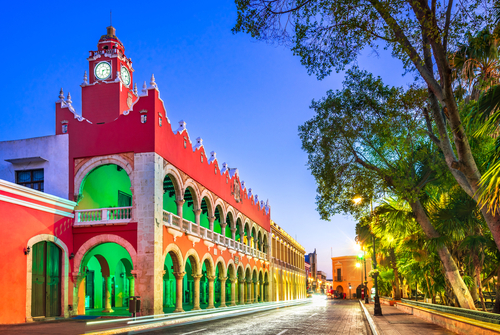
Americans are drawn to Mexico for its proximity, lower living costs, and familiar expat infrastructure. Cities like Mexico City and coastal hubs promise a lifestyle upgrade that feels attainable. The reality often includes navigating complex residency paperwork and inconsistent bureaucratic timelines. Many newcomers underestimate how regional safety perceptions and infrastructure gaps can affect daily routines.
Cost-of-living expectations also collide with inflation in popular expat neighborhoods. Rent spikes in trendy districts can quickly erase the savings people planned on. Cultural differences around contracts, services, and timelines can frustrate those used to rigid systems. Over time, that friction can make stability feel just out of reach.
11. Colombia

Colombia attracts Americans with affordability and vibrant urban culture. Cities like Medellín promote a digital nomad-friendly image. Safety perceptions vary by neighborhood and require local awareness. Bureaucratic processes can feel inconsistent.
Healthcare quality is strong in private networks but requires navigation. Currency fluctuations affect long-term budgeting. Informal business practices may surprise newcomers. Stability grows only with careful local integration.
This post Why Americans Keep Relocating to These Countries—and Keep Failing to Find Stability was first published on American Charm.

