
1. Yellowstone National Park, Wyoming
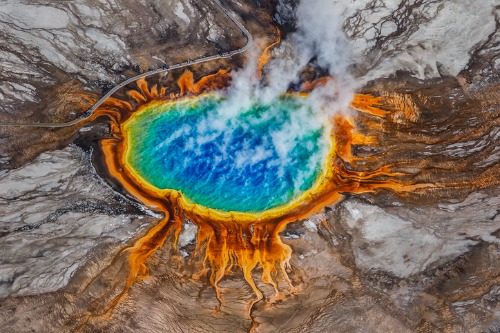
Yellowstone’s natural beauty hasn’t changed, but the experience has. Record-breaking visitation has led to traffic jams, crowded boardwalks, and limited parking. Visitors often report waiting hours just to see major attractions. That can dampen the sense of wonder.
Logistics are another challenge. Lodging inside the park books far in advance and fills quickly. Nearby accommodations are limited and expensive during peak season. Americans who prefer quieter nature trips are looking elsewhere.
2. Las Vegas Strip, Nevada
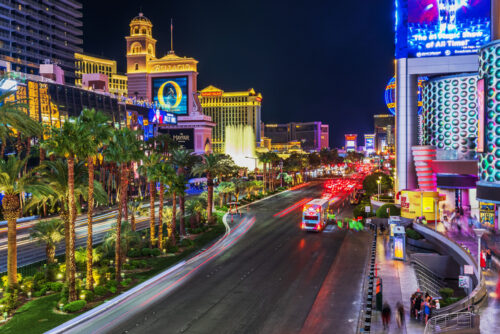
The Las Vegas Strip used to feel like a budget-friendly playground, but that reputation has changed. Resort fees, parking charges, and inflated food prices have made trips unexpectedly expensive. Even “cheap” hotel deals often balloon once mandatory fees are added. Visitors increasingly feel like every step comes with a surcharge.
Crowding is another big deterrent. Conventions, sports events, and festivals now keep the Strip busy almost year-round. That means longer waits, higher prices, and fewer quiet moments. Americans who remember laid-back weekday Vegas trips say it no longer feels relaxing.
3. San Francisco, California

San Francisco’s scenery is still stunning, but many Americans feel hesitant about visiting right now. Concerns about car break-ins are widespread, especially among tourists using rental cars. High-profile retail closures downtown have also changed the atmosphere in certain areas. These factors affect how comfortable visitors feel while exploring.
Cost is another major issue. Hotels, dining, and parking remain expensive compared to many other U.S. cities. Some travelers feel they’re paying premium prices without a premium experience. As a result, many are choosing alternative West Coast destinations.
4. Maui, Hawaii
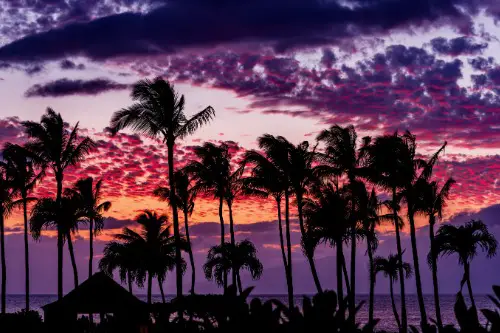
Maui has long been considered a bucket-list destination, but travel patterns have shifted. The Lahaina wildfire caused major disruption, closures, and long-term recovery efforts. Many Americans are choosing to delay trips out of respect for residents. Others worry about limited lodging and ongoing rebuilding.
Overtourism concerns are also influencing decisions. Locals have spoken openly about housing shortages and infrastructure strain. Some travelers don’t want to feel like they’re adding pressure to an already stressed island. Waiting feels like the more responsible choice.
5. New Orleans’ French Quarter, Louisiana
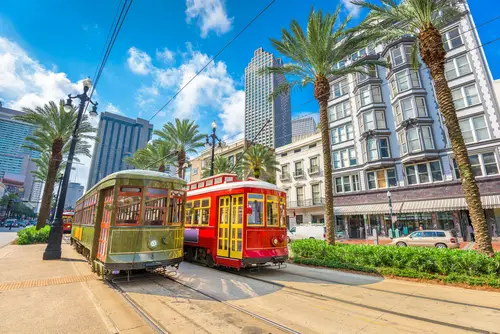
The French Quarter is iconic, but not everyone finds it appealing right now. Extreme heat and humidity make much of the year physically uncomfortable. Bourbon Street crowds can feel chaotic instead of fun. For some visitors, the party atmosphere has gone too far.
Safety perceptions also matter. News coverage of crime, even when localized, impacts how people feel about visiting. Families and older travelers may feel uneasy at night. Many Americans now explore quieter neighborhoods or skip the Quarter altogether.
6. Hollywood Walk of Fame, California
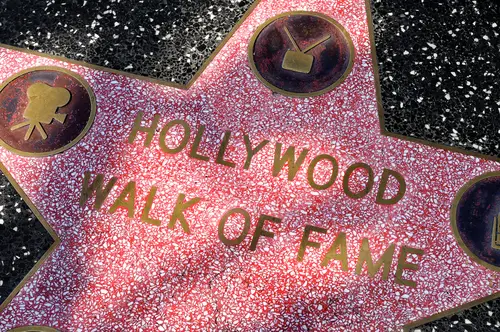
The Hollywood Walk of Fame often disappoints first-time visitors. Many Americans are surprised by how crowded and gritty the area feels. The sidewalks are packed, and the famous stars are easy to miss underfoot. It rarely matches the glamorous image people expect.
There’s also the issue of time versus payoff. Travelers say it feels more like a checklist item than a meaningful experience. Aggressive street vendors and performers can make visits uncomfortable. For many, it’s no longer worth carving out time.
7. Times Square, New York City
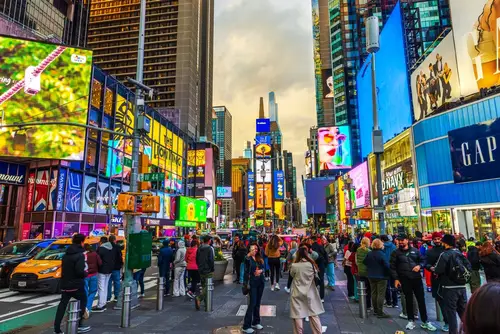
Times Square still dazzles, but many Americans are deciding the spectacle isn’t worth the squeeze anymore. The area is perpetually packed, and navigating shoulder-to-shoulder crowds can feel more stressful than exciting. Hotel prices around Midtown remain some of the highest in the country, even outside peak seasons. Add in pricey food options and costumed performers aggressively asking for tips, and the novelty fades quickly.
Travelers are also realizing that Times Square isn’t a great reflection of the rest of New York City. Locals famously avoid it, encouraging visitors to explore neighborhoods with more character. Repeat visitors often say it feels more commercial and less spontaneous than they remember. That realization is pushing Americans to skip it entirely or spend very little time there.
8. Waikiki Beach, Oahu
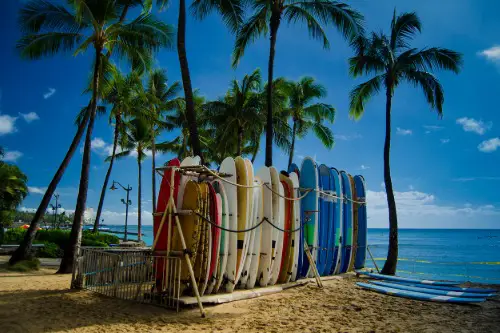
Waikiki is famous, but some Americans now find it overwhelming. The beach area is dense with hotels, shops, and traffic. It can feel more like a city resort than a tropical escape. That’s not what everyone wants from Hawaii.
Costs add to the frustration. Food, activities, and accommodations are pricey, even by island standards. Crowded beaches mean less personal space. Many travelers are opting for less developed Hawaiian areas instead.
9. Mount Rushmore, South Dakota
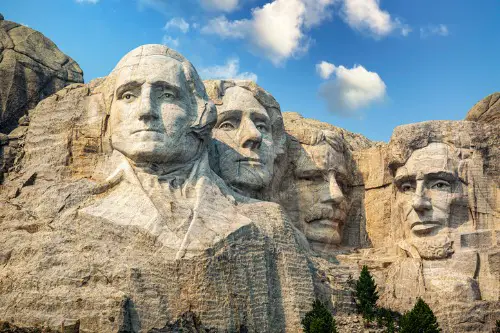
Mount Rushmore remains a historic landmark, but expectations often exceed reality. Many visitors are surprised by how brief the experience is. The viewing area doesn’t take long to explore. For long-distance travelers, that can feel underwhelming.
There’s also increased discussion around its historical and cultural controversy. Some Americans feel conflicted about the monument’s legacy. Others wish the surrounding area offered more depth. That hesitation leads some to skip it.
10. Miami Beach, Florida

Miami Beach still attracts attention, but Americans are growing cautious. Hotel prices have climbed sharply, especially during peak seasons. Beach access can feel crowded and competitive. The vibe isn’t always as laid-back as people expect.
Safety concerns also influence decisions. High-profile incidents and rowdy behavior make some travelers uneasy. Families and older visitors may feel out of place. Many now choose quieter Florida coastal towns.
11. Napa Valley, California
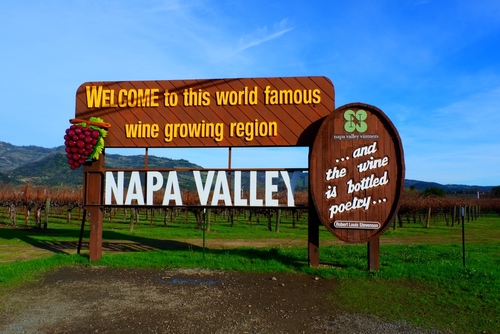
Napa Valley remains beautiful, but affordability is a growing issue. Tasting fees at wineries have increased significantly. Even casual visits can cost hundreds of dollars. That pricing excludes many casual wine lovers.
There’s also a sense of formality some travelers dislike. Reservations are often required well in advance. Spontaneous exploration is harder than it used to be. Americans are turning to less expensive wine regions instead.
12. Disneyland, California
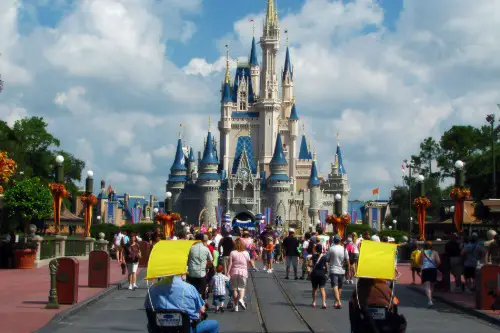
Disneyland is iconic, but the experience has become complicated. Ticket prices have risen steadily over the years. Add-ons like Genie+ and paid Lightning Lanes confuse many visitors. Planning can feel like a full-time job.
Crowds are another dealbreaker. Even off-peak days feel busy. Long waits are common despite careful planning. Some Americans decide it’s not worth the stress or expense.
13. Savannah Historic District, Georgia
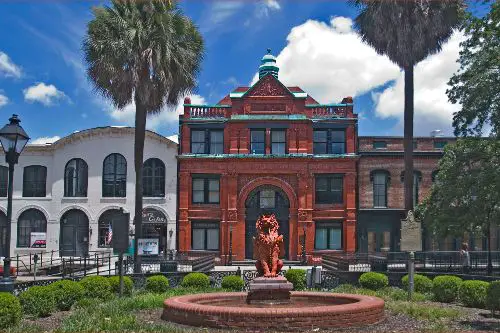
Savannah’s charm is undeniable, but popularity has changed the experience. Crowds now fill narrow streets, especially on weekends. Tour groups can dominate popular squares. That makes quiet exploration difficult.
Heat and humidity are also factors. Walking-heavy sightseeing becomes exhausting in warmer months. Hotel prices have risen alongside demand. Some travelers choose similar Southern cities with fewer crowds.
14. South Rim of the Grand Canyon, Arizona
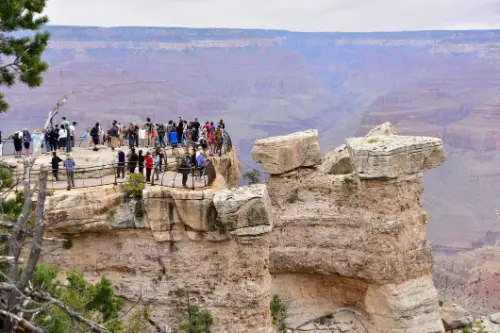
The Grand Canyon is breathtaking, but the South Rim is extremely busy. Parking fills early, and shuttle lines can be long. Popular viewpoints are often packed with visitors. That can detract from the sense of scale and solitude.
Many Americans are seeking quieter alternatives. Less-visited rims or other national parks feel more peaceful. The South Rim’s popularity works against it. Some travelers decide to skip it for now.
15. Key West, Florida
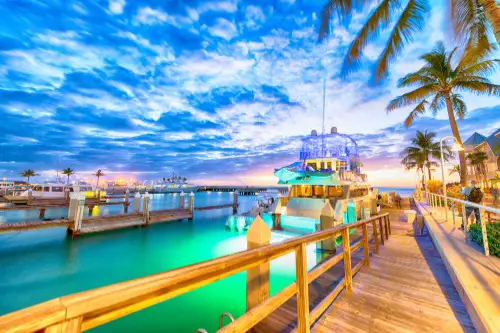
Key West still has personality, but it’s not for everyone anymore. Lodging prices have climbed significantly. Limited hotel inventory keeps costs high year-round. Weekend crowds can feel overwhelming.
There’s also a sense that the island has changed. Some visitors say it feels more commercial than quirky now. Traffic and cruise ship crowds add to congestion. Americans looking for a relaxed island vibe are reconsidering.
This post Why Americans Are Skipping These ‘Must-See’ Destinations Now was first published on American Charm.

