1. New York City, New York
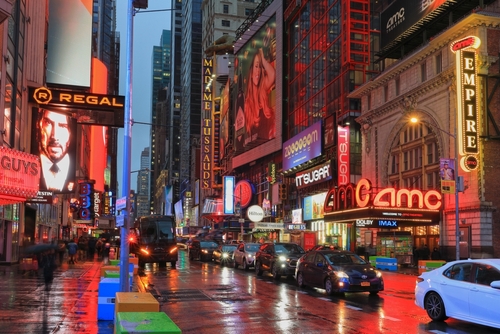
Aging in New York City can feel like running a marathon every single day. The cost of living is astronomical, which makes it hard for retirees to afford housing, healthcare, and even basic groceries. Noise pollution and crowded streets add another layer of stress that can wear down both body and mind. Even simple tasks like walking to the corner store become a challenge when you factor in mobility issues.
Healthcare access may be plentiful, but navigating it is a headache. Appointments often require long waits, and the complexity of insurance coverage in New York can be overwhelming. Social isolation can sneak in despite the crowds because many older adults live far from family or supportive networks. This combination of financial, physical, and emotional strain makes New York a tough place to age gracefully.
2. Miami, Florida

Miami sounds sunny and fun, but for older residents, the heat and humidity can be brutal. High temperatures increase the risk of dehydration, heat stroke, and cardiovascular stress, particularly for those with chronic conditions. Hurricanes and extreme weather events are another constant worry, requiring both mental and physical preparedness. Many neighborhoods are also poorly walkable, making it hard for older adults to stay active without a car.
The cost of healthcare is also steep, and while there are world-class hospitals, insurance limitations can create barriers. Traffic congestion and limited public transit make even medical appointments a logistical puzzle. Social services are available but often stretched thin, leaving gaps in support for seniors. Combine that with seasonal population surges from tourists, and Miami becomes a place where aging can feel both physically and mentally exhausting.
3. Los Angeles, California
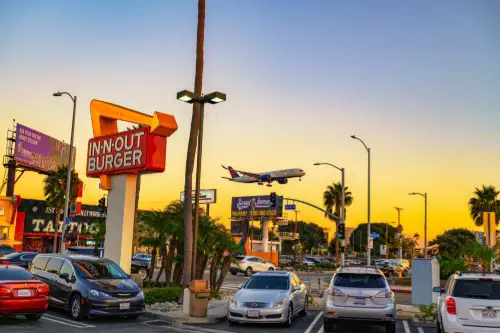
Los Angeles is beautiful, but aging here comes with a hefty price tag. Housing costs are astronomical, particularly in safer, more accessible neighborhoods for seniors. Long commutes and heavy traffic can make even a short trip exhausting, which is tough if mobility is already declining. Environmental issues like smog and wildfires add another health layer, especially for those with respiratory problems.
Access to healthcare can be uneven; some areas have world-class providers, while others are underserved. Social isolation is another hidden challenge because sprawling neighborhoods make it hard for older adults to connect with community resources. Public transportation is limited, which means dependency on cars—a risky proposition with age-related decline. The city’s fast pace and high costs make it one of the trickiest places to age comfortably.
4. Chicago, Illinois
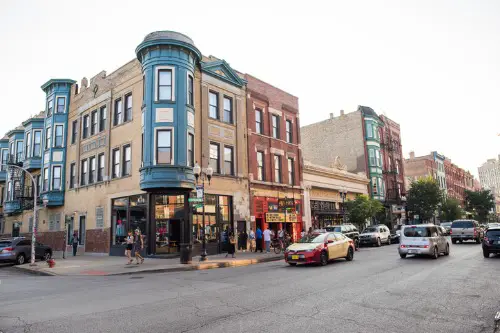
Chicago’s winters are notorious, and for older adults, the extreme cold and icy conditions are more than just inconvenient—they can be dangerous. Slip-and-fall injuries spike during winter months, creating real risks for mobility and independence. Snow removal is inconsistent in some neighborhoods, making it difficult to get around safely. Even outside of winter, the windy, damp climate can aggravate arthritis and other chronic conditions.
Healthcare options are available, but navigating them can be complicated and stressful. Public transit is useful, but long waits in freezing temperatures make it less appealing. Social isolation is a concern, especially for seniors living alone in high-rise apartments or older housing units. The combination of weather, safety risks, and mobility challenges makes aging in Chicago a daily balancing act.
5. San Francisco, California
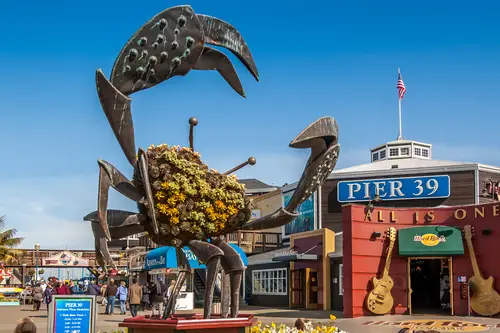
San Francisco has iconic scenery, but it’s also one of the least affordable cities for older adults. Housing prices are sky-high, often forcing seniors to live far from friends, family, and essential services. Steep hills and uneven sidewalks present physical challenges, especially for those with joint or mobility issues. Even small tasks like grocery shopping can turn into a workout that feels unsafe.
Healthcare access is excellent, but appointments often require long waits, and navigating insurance in California can be complicated. Social isolation is amplified by the city’s transient population and high cost of social activities. Earthquake risk adds a layer of anxiety for residents thinking about long-term safety. For many, the combination of cost, mobility issues, and mental stress makes aging in San Francisco uniquely difficult.
6. Boston, Massachusetts
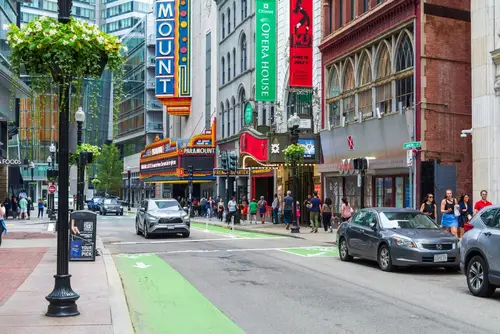
Boston is rich in culture and history, but older adults often face hidden obstacles. The city’s streets are narrow, with uneven cobblestones that pose a serious tripping hazard. Winters are cold and snowy, creating safety issues for anyone with mobility challenges. Parking is expensive and scarce, which is a huge concern for seniors who rely on cars.
Medical care is excellent, but navigating Boston’s complex hospital systems can be stressful and confusing. Many older residents live alone in dense urban settings, which increases the risk of social isolation. Public transportation is reliable but not always senior-friendly, with crowded buses and trains. The combination of environmental hazards, mobility challenges, and mental strain makes Boston a city where aging takes planning and endurance.
7. Seattle, Washington
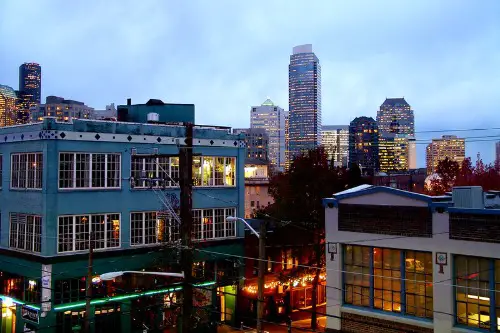
Seattle’s weather may be mild, but the persistent rain and gray skies can take a toll on mood. Seasonal affective disorder is more common here, and social isolation can worsen during long stretches of gloomy weather. Slippery sidewalks and hilly streets create a physical risk for seniors. The cost of living is high, making it difficult to afford quality housing and healthcare simultaneously.
Healthcare facilities are plentiful but navigating insurance and appointments can be a headache. The city’s tech-focused growth has pushed housing and living costs up, leaving older adults struggling to maintain financial stability. Limited public transportation in certain neighborhoods can reduce mobility independence. All of these factors together make Seattle a surprisingly challenging place for older adults to thrive.
8. Las Vegas, Nevada
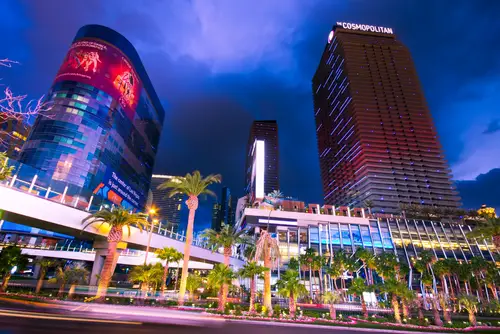
Las Vegas is flashy and fun for tourists, but the desert heat is unforgiving for older residents. Summer temperatures regularly exceed 100 degrees, which is dangerous for anyone with cardiovascular or respiratory conditions. Air conditioning is essential, but energy costs can be burdensome for seniors on fixed incomes. Dust, dry air, and occasional monsoon storms also pose health risks.
Healthcare options exist, but some areas lack enough providers for the growing senior population. Public transportation is limited, making reliance on cars essential, which is risky for aging drivers. Social life can feel isolating, especially outside the tourist-heavy areas. Combined, climate, cost, and limited mobility infrastructure make aging in Las Vegas a uniquely harsh experience.
9. Phoenix, Arizona
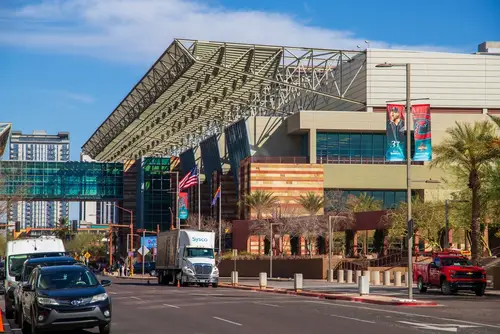
Phoenix is another desert city where the heat can be relentless. Summer temperatures often soar above 110 degrees, creating life-threatening risks for older adults. Dehydration, heatstroke, and cardiovascular strain are common concerns. Even outdoor exercise becomes risky, which limits opportunities to stay physically active.
Healthcare facilities are accessible in some areas but unevenly distributed across the metropolitan region. Public transit is minimal, forcing reliance on cars even as mobility declines. Social isolation is common, especially for those without strong family networks nearby. The desert climate combined with infrastructure and healthcare gaps makes Phoenix a place where aging is physically and mentally challenging.
10. Detroit, Michigan
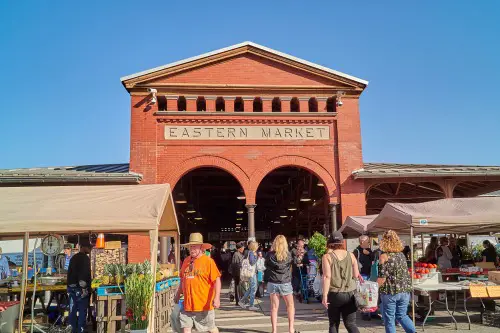
Detroit has seen revitalization in parts, but many neighborhoods remain under-resourced. Older adults may struggle with aging infrastructure, from uneven sidewalks to abandoned buildings, which pose safety hazards. Access to grocery stores, healthcare, and public transit can be limited depending on the area. Crime and safety concerns further compound stress for seniors.
Healthcare access exists, but it’s inconsistent across the city, and navigating insurance or finding specialized care can be tricky. Social isolation is also a serious concern, as many older residents live far from family. Economic struggles in the city can make basic necessities unaffordable. For these reasons, aging in Detroit requires resilience and resourcefulness.
11. Philadelphia, Pennsylvania
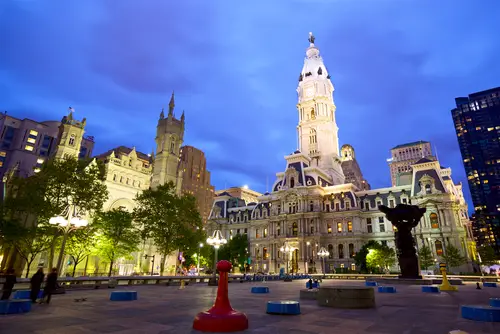
Philadelphia is culturally rich, but the city comes with aging challenges. Urban density creates traffic congestion, noise, and pollution, all of which affect physical and mental health. Snow and ice in winter increase the risk of falls, and uneven streets are a constant hazard. Housing costs, while lower than New York or San Francisco, are still high enough to pressure fixed-income seniors.
Healthcare is top-notch in some areas, but appointment wait times and insurance navigation can be frustrating. Public transit is extensive but often crowded or unreliable, which makes getting around difficult. Older adults may feel socially isolated if living alone or in less connected neighborhoods. Philadelphia’s combination of environmental, logistical, and financial stressors makes aging more complicated than it appears.
12. Anchorage, Alaska
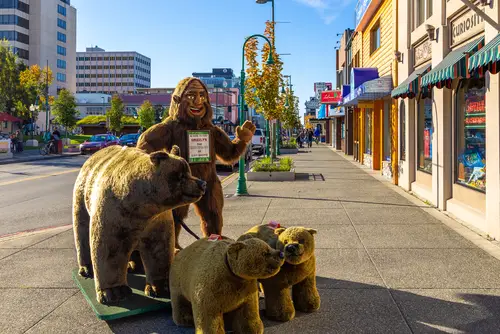
Anchorage might seem like a scenic paradise, but aging here presents unique hardships. The extreme cold and long winters can be physically and mentally taxing, leading to higher risks of seasonal depression. Snow, ice, and limited daylight make mobility dangerous, especially for those with balance issues. Emergency services can be slower due to geographic challenges, adding stress for seniors with medical concerns.
Healthcare is available, but specialized care often requires long travel or telehealth services, which isn’t ideal for everyone. Cost of living is high due to the remote location and supply logistics, especially for groceries and medication. Social isolation can be severe, as communities are more dispersed and family may live far away. Together, climate, isolation, and logistics make Anchorage one of the hardest places to age in the U.S.
This post Why Aging in These Places Is Harder Than Anyone Admitted was first published on American Charm.