
1. Florida

Florida’s sunshine and beaches make it a dream destination for many, but aging in place here comes with serious challenges. There are far more older adults than available home health aides, which makes daily tasks like bathing, meal prep, and medication management a constant worry. Housing costs are high, and nearly a third of older homeowners spend more than 30% of their income just to keep a roof over their heads. Add hurricanes and heavy rainfall into the mix, and home maintenance and safety suddenly feel overwhelming.
Even if you’re independent, getting around can be tough. Public transportation outside the big cities is limited, so giving up your car often isn’t an option. Hospitals and clinics can be stretched thin, especially in retirement-heavy areas, making emergency care stressful. All these factors combine to make the dream of staying home indefinitely feel like a complex puzzle.
2. Kentucky

Kentucky’s scenic small towns are beautiful, but they create real barriers for seniors who want to age in place. Long, winding country roads and high rates of traffic accidents make everyday driving risky for older adults. Healthcare access outside major cities is limited, meaning long trips for routine or specialist visits. Home health aides are in short supply, leaving many seniors without consistent support for basic daily tasks.
Cost is another hurdle. Many older homeowners can’t afford necessary modifications like ramps or stair lifts. Social isolation is common since towns are spread out and public spaces are fewer. Relying on neighbors or family for errands can quickly feel like dependence, making independence a challenge.
3. North Carolina
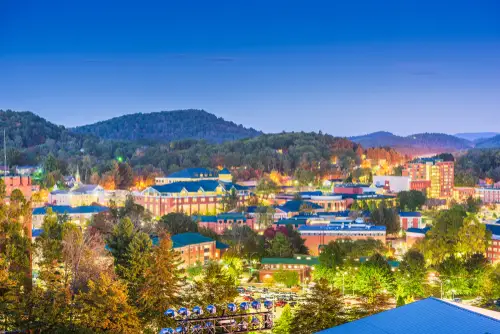
North Carolina’s growing cities hide the struggles in its rural counties. Seniors often wait hours for emergency care, which can be frightening when every minute counts. Home health coverage is inconsistent, especially once you leave urban centers. Many older adults drive long distances to see a doctor or run errands, which adds stress and risk.
Public transportation is sparse in most towns, so relying on buses isn’t realistic. Housing costs in desirable areas are climbing, making accessible homes harder to afford. Even simple home modifications can strain retirement budgets. Unpredictable weather, including hurricanes and flooding, makes staying home safely more complicated.
4. Georgia
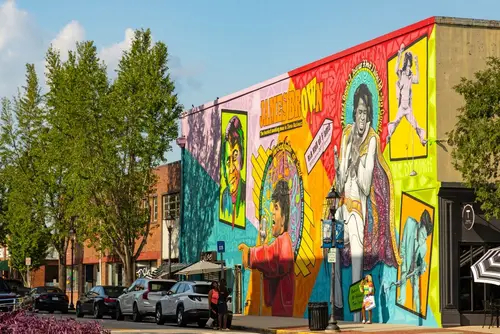
Georgia combines charm with real aging-in-place obstacles. Rural counties have very few healthcare providers, and even suburban areas outside Atlanta often leave seniors scrambling for specialist care. Public transit options are extremely limited outside big cities, leaving many older adults car-dependent. Home care shortages make it difficult to get help with essential daily tasks.
The cost of living is rising fast in popular retirement spots, which squeezes fixed incomes. Many older homes aren’t designed for accessibility, forcing costly renovations. Hot, humid summers can make outdoor chores or walking uncomfortable or unsafe. Together, these issues can make the dream of staying in your own home feel frustratingly out of reach.
5. Alabama

Alabama struggles to provide affordable healthcare for its older population. Physician shortages are common in rural areas, meaning trips for basic or specialist care are long. Transportation is also a challenge — most rural areas have little to no public transit, forcing seniors to rely on family or friends. Chronic illnesses are prevalent, making access to reliable support essential.
Housing and home modifications are a financial burden for many seniors. Safe, accessible homes are limited outside cities, and assistance programs are underfunded. Social isolation is a real concern, with community centers and public spaces shrinking in some towns. The combination of these factors can make staying home feel exhausting rather than empowering.
6. Tennessee
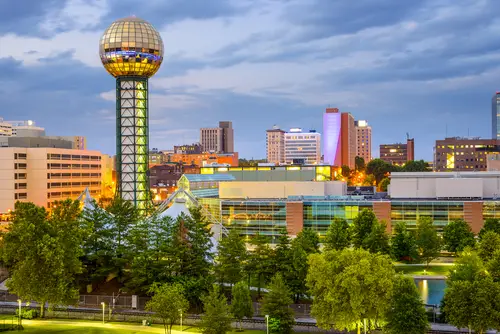
Tennessee’s rural and suburban areas create big hurdles for aging in place. Healthcare providers are scarce outside cities, meaning long travel times for appointments. Winding country roads can make driving dangerous for older adults, especially at night or in poor weather. Public transit options are almost nonexistent beyond Nashville or Knoxville.
The cost of living is rising, squeezing seniors’ budgets. Accessible, affordable housing is limited, and retrofitting older homes is expensive. Prescription drugs remain costly, adding another layer of financial stress. For many seniors, the choice to age at home can feel like an ongoing negotiation with risk and resources.
7. Mississippi
Mississippi faces serious economic challenges that make aging at home difficult. Home care availability is inconsistent, and workforce shortages mean regular assistance is often delayed. High poverty rates among older adults stretch already tight retirement budgets. Transportation is a constant problem in rural counties, making errands or appointments daunting.
Healthcare access also lags behind national averages, and chronic conditions are more common. Walkable neighborhoods are rare, contributing to isolation. Even simple daily tasks often require a car and careful planning. Aging in place can feel like a heavy logistical challenge rather than a safe, comfortable choice.
8. Vermont
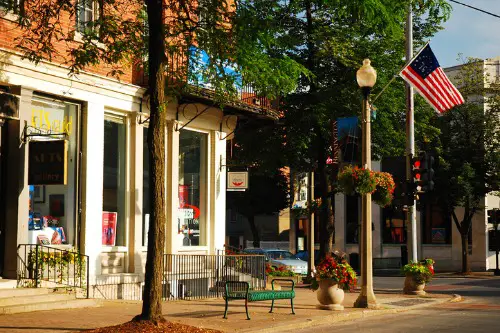
Vermont’s winters are beautiful but brutal for seniors trying to stay home. Icy roads and snow can make driving treacherous and walking unsafe. Rural healthcare facilities are far apart, and specialist visits often require hours of travel. Public transit is limited, leaving many seniors reliant on cars that may no longer be safe for them to drive.
Older homes often need expensive updates to cope with harsh weather. Heating costs are high, and home maintenance is physically demanding. Affordable in-home care is hard to find outside urban centers. These challenges make staying home year-round a serious undertaking.
9. Oklahoma
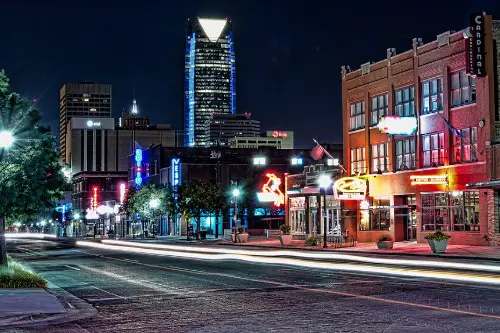
Oklahoma seniors face long distances to reach healthcare facilities, especially in rural areas. Critical access hospitals sometimes face closures due to staffing shortages, making emergencies stressful. Public transit is minimal, forcing dependence on driving or family help. Home health aides are in short supply, creating gaps in basic daily support.
Accessible housing outside urban areas is scarce. Older homes often require costly modifications for safety and mobility. Financial assistance programs are limited, and prescription costs can strain budgets. Aging in place here can feel more like an uphill battle than a comfortable retirement plan.
10. Hawaii
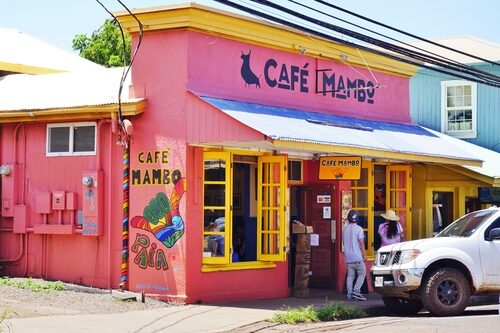
Hawaii’s beauty comes with a steep price tag for older adults. The cost of living is high, affecting housing, groceries, and utilities. Healthcare is concentrated in a few urban areas, leaving seniors in rural locations underserved. Tropical storms and humid conditions also create maintenance and safety concerns.
Transportation between islands adds another logistical layer. Public transit isn’t sufficient in many areas, so car dependency is the norm. Home repairs and climate-proofing are expensive but necessary. For many seniors, the challenge of staying independent is as much about logistics as health.
11. Alaska
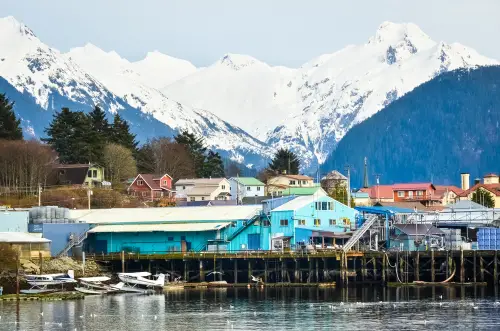
Alaska’s remote location and harsh climate make aging in place difficult. Hospitals and clinics are few and far between, often requiring long travel times. Utilities and food costs are high, straining retirement budgets. Winter weather can isolate seniors for days, making mobility and access to essentials tricky.
Public transportation is extremely limited outside major cities. Older homes need costly upgrades to withstand cold and snow. Specialist healthcare is scarce, making telehealth necessary but not always reliable. For many, aging in place here is a logistical puzzle that tests endurance.
12. Wyoming

Wyoming’s wide-open spaces look beautiful, but they make services hard to access. Seniors may have to drive long distances for healthcare, groceries, and social activities. Medicare coverage options are limited, and specialists are rare. Extreme weather can disrupt routines and add safety risks for older adults.
Accessible housing is limited outside resort towns, and retrofitting older homes is expensive. Sparse population means fewer home care providers, creating gaps in daily support. Social networks can feel physically distant, even when neighbors care. All this can turn aging in place into a constant balancing act.
13. New York

New York combines expensive living with uneven access to services for seniors. Upstate towns often have long distances between healthcare providers, while cities are crowded and pricey. Housing costs and property taxes eat into fixed incomes. Public transit is excellent in the city, but rural seniors still depend heavily on cars.
Home modifications for safety and accessibility are costly, making independent living a financial challenge. Social opportunities vary by location, adding to isolation concerns. Long ER wait times and uneven service quality create stress in emergencies. Across the state, aging in place can feel less like a choice and more like navigating constant obstacles.
14. California

California’s large size and high costs make aging in place a mixed experience. Urban areas have excellent healthcare and public transit, but housing costs are astronomical. Rural and suburban areas often lack specialists and rely on cars. Emergency services can be overwhelmed, leaving seniors waiting when they need help most.
Accessible housing is limited, and retrofitting older homes for safety is expensive. Prescription drug costs add financial pressure to retirement budgets. Environmental risks like wildfires and heat waves make mobility and home safety unpredictable. For many Californians, the goal of staying home forever requires constant planning and adaptation.
This post Why Aging in Place Feels Impossible in These States was first published on American Charm.

