1. Nashville Broadway District, Tennessee
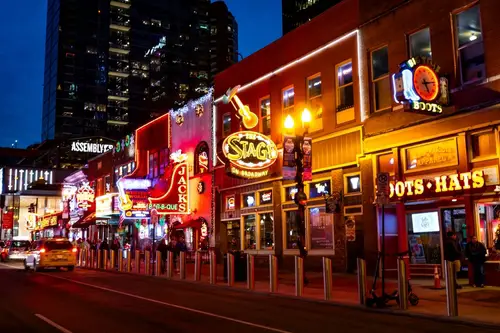
Lower Broadway was once part of a working downtown with local music venues and businesses. Nashville’s tourism boom turned it into a bachelorette-party and honky-tonk corridor. Rents rose, and locally owned spots struggled to compete. It’s included because the area now exists almost entirely for short-term visitors.
The district’s economy revolves around alcohol sales, themed experiences, and constant crowds. Few residents live nearby, and fewer still see it as part of their daily city life. Musicians often work there but can’t afford to live close. Broadway became a stage set version of Nashville rather than its center.
2. Key West, Florida
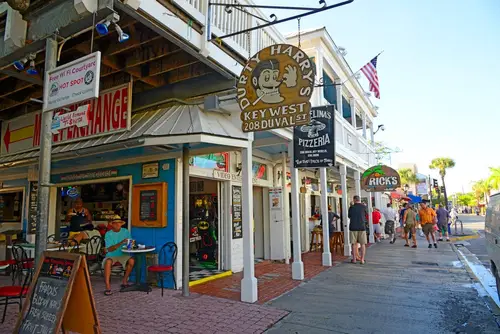
Key West was once a working-class island town shaped by fishing, shipbuilding, and Cuban immigration. Over time, its mild winters and quirky reputation turned it into a major cruise and party destination. Housing prices skyrocketed as homes converted into vacation rentals and second properties. It’s included here because the local workforce increasingly has to commute from the mainland due to cost.
Tourism now dominates nearly every block of Duval Street and much of the island beyond it. Bars, souvenir shops, and tour operators far outnumber everyday businesses. Many long-term residents have left, citing noise, crowds, and housing shortages. What remains is a place that functions smoothly for visitors but precariously for the people who keep it running.
3. Jackson Hole, Wyoming
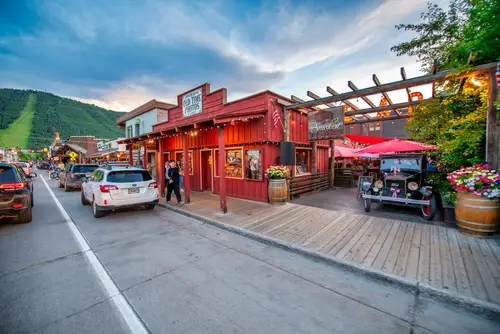
Jackson Hole used to be a remote ranching valley with a small, tight-knit population. Its proximity to Grand Teton and Yellowstone National Parks changed that permanently. Wealthy second-home buyers and luxury tourism reshaped the housing market beyond what local wages could support. It makes this list because even middle-income workers now struggle to live in the valley they serve.
The town of Jackson has responded with creative housing programs, but the imbalance remains stark. Many service workers live far outside town or in shared, temporary arrangements. Downtown storefronts increasingly cater to affluent visitors rather than daily needs. The community still exists, but it’s under constant pressure from a tourism-driven economy.
4. Sedona, Arizona
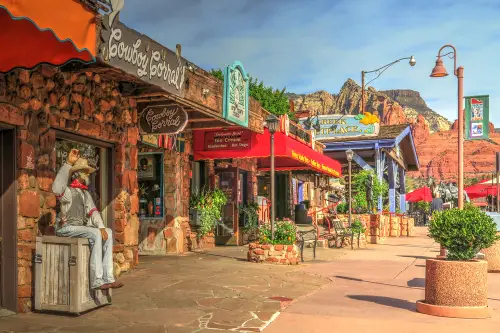
Sedona was once a quiet desert town with artists, retirees, and families drawn to the red rock landscape. As its reputation for wellness, spirituality, and scenery grew, so did visitor numbers. Short-term rentals multiplied, shrinking the long-term housing supply. It belongs here because tourism growth has outpaced infrastructure and community capacity.
Locals frequently talk about traffic congestion and water strain tied directly to visitor volume. Many essential workers can no longer afford to live in town limits. Businesses increasingly target weekend visitors rather than residents. Sedona still has a soul, but it’s often drowned out by its own popularity.
5. Aspen, Colorado
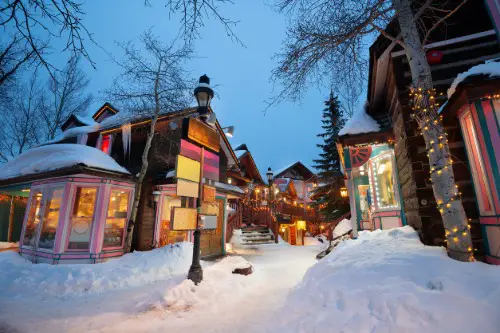
Aspen started as a mining town before reinventing itself as a ski destination. That reinvention brought wealth, global attention, and dramatic inequality. Property values rose so high that even professionals like teachers and firefighters struggled to stay. It earns its place here because tourism wealth hollowed out the middle of the community.
The town has invested heavily in subsidized housing, which speaks to the scale of the problem. Many workers rely on long commutes from down-valley towns. Aspen’s cultural life is vibrant but largely oriented toward seasonal visitors. The result is a place that feels curated rather than organically lived in.
6. Maui (Lahaina), Hawaii
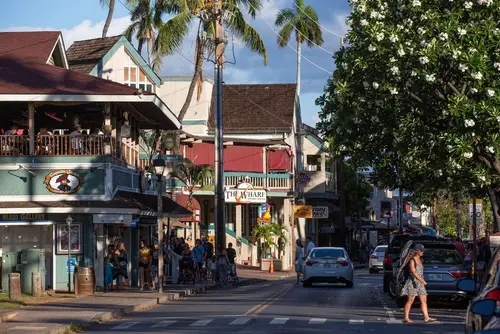
Lahaina was historically a Native Hawaiian community and later a whaling-era port town. Tourism steadily transformed it into a hub for resorts, cruise passengers, and vacation rentals. Housing pressures intensified as homes shifted from residents to visitors. It’s included because tourism fundamentally altered land use and community stability.
Many local families were priced out long before recent disasters brought attention to the issue. Service workers often live in overcrowded or distant housing. The economy’s heavy dependence on tourism left residents vulnerable to downturns. Lahaina shows how paradise marketing can come at a real human cost.
7. New Orleans French Quarter, Louisiana
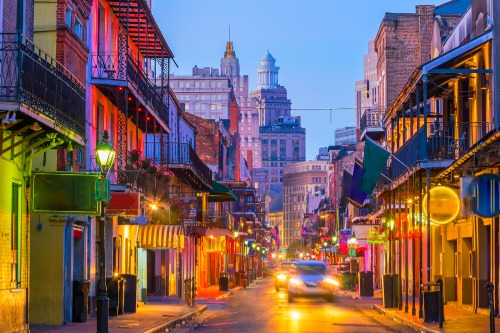
The French Quarter has always been a cultural showpiece, but it was once a lived-in neighborhood. Over time, tourism and nightlife overtook residential life block by block. Short-term rentals and hotels replaced long-term housing. It belongs on this list because the balance tipped decisively away from community.
Today, the Quarter functions largely as an entertainment zone. Basic neighborhood amenities are scarce compared to bars and souvenir shops. Many former residents relocated to quieter, more affordable parts of the city. The culture remains rich, but fewer locals experience it as home.
8. Times Square, New York City

Times Square used to be a gritty, workaday neighborhood where garment workers, theater people, and longtime renters lived alongside cheap diners and dive bars. Starting in the 1990s, rezoning and aggressive tourism-focused redevelopment transformed it into a branded entertainment district. Today it’s dominated by chain restaurants, flagship stores, and hotels designed for short stays rather than daily life. The reason it belongs on this list is simple: almost no one lives there anymore, and nearly everything exists to capture visitor attention and spending.
Walk through Times Square now and you’ll notice how few practical services remain for residents. Grocery stores, schools, and affordable housing were priced out or pushed elsewhere. The area’s economy depends almost entirely on foot traffic from tourists, commuters, and theatergoers. It’s a textbook case of a place redesigned to be visited rather than inhabited.
9. Lake Tahoe, California and Nevada
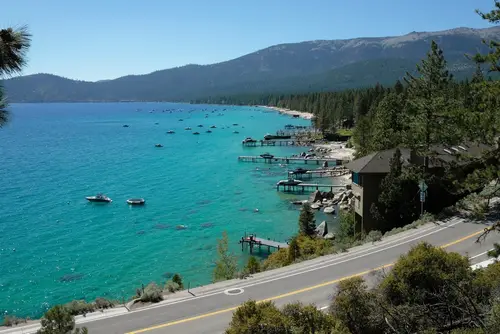
Lake Tahoe was once a year-round community built around recreation and local living. Tourism expanded rapidly with ski resorts and vacation home development. Short-term rentals consumed much of the housing stock. It makes this list because workers increasingly cannot live near their jobs.
Traffic congestion and seasonal crowding strain roads and public services. Schools and hospitals face staffing shortages tied to housing costs. Locals often describe feeling pushed to the margins of their own towns. Tahoe remains stunning, but daily life there has become increasingly difficult.
10. Nantucket, Massachusetts
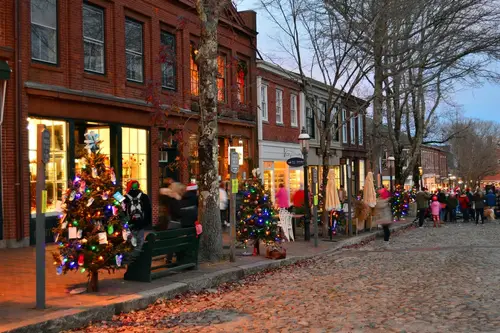
Nantucket was historically a whaling island with generations of year-round residents. Its transformation into a luxury summer destination changed that balance. Seasonal homes and vacation rentals dominate the housing market. It belongs here because the year-round population has steadily declined.
Many workers commute long hours or live in shared, temporary housing. Winter can feel empty, with businesses shuttered until tourist season returns. The island’s economy is highly seasonal and fragile for residents. Nantucket now functions more as a summer product than a full-time community.
11. Gatlinburg, Tennessee
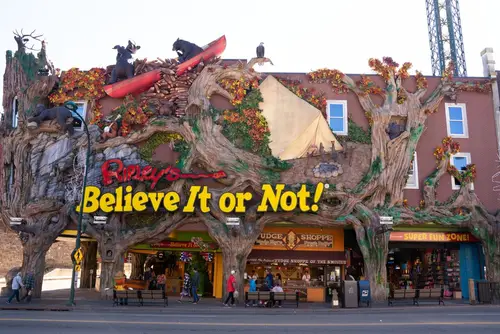
Gatlinburg once served as a small gateway town to the Great Smoky Mountains. Tourism gradually overtook nearly every aspect of its economy and layout. Hotels, attractions, and souvenir shops replaced local services. It’s included because the town now feels almost entirely designed for visitors.
Most employment is low-wage and tourism-dependent. Housing options for locals are limited and often located outside town. The downtown area caters to day-trippers rather than residents. Gatlinburg shows how even small towns can lose themselves to mass tourism.
This post Where Tourism Replaced Community in America was first published on American Charm.