1. The Vessel, New York City
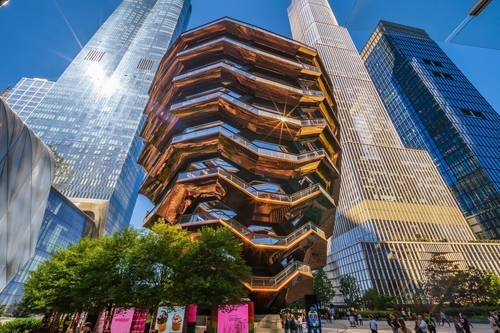
When Vessel opened at Hudson Yards, its honeycomb-like staircases flooded Instagram feeds. The geometric design looked futuristic and almost surreal from certain angles. Photos made it seem like an endless architectural playground floating above Manhattan. Influencers quickly turned it into a posing destination.
In practice, the structure has faced periodic closures and restrictions due to safety concerns. Timed entry and security measures changed how freely visitors could explore. Some travelers arrived expecting open wandering and unlimited photo access. Social media sold a seamless experience, while reality proved more complicated.
2. Horseshoe Bend, Arizona
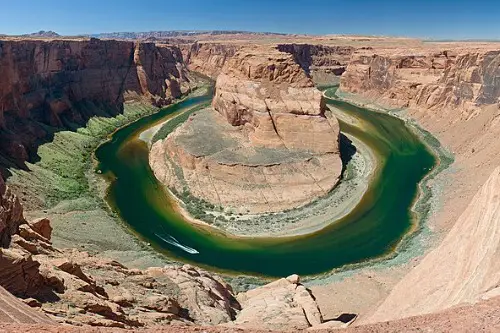
If you’ve spent any time on Instagram, you’ve probably seen that dramatic, perfectly curved canyon shot from above—and yes, it’s Horseshoe Bend. Social media turned what was once a relatively quiet overlook near Page into one of the most recognizable views in the Southwest. The sweeping bend of the Colorado River looks almost unreal in photos, especially at sunset when the sandstone glows orange. Those images created the expectation that it’s a vast, peaceful wilderness all to yourself.
In reality, the overlook now has a large parking lot, fenced viewing areas, and steady crowds for most of the day. Viral posts drove visitation so high that the city invested in major infrastructure upgrades to manage traffic and safety. Travelers often arrive surprised by the lines forming for the classic cliff-edge photo. It’s still stunning, but social media definitely reshaped how people imagine the experience.
3. Antelope Canyon, Arizona
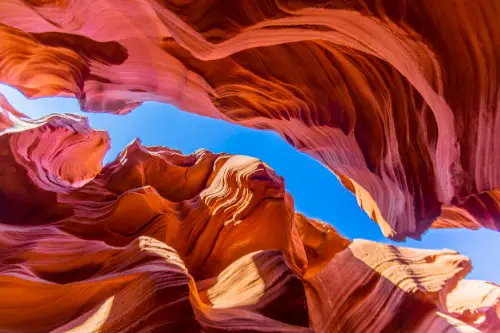
The light beams slicing through narrow sandstone walls made Antelope Canyon a social media superstar. Photographers shared perfectly timed shots of sun rays filtering into the slot canyon, making it look like a private, glowing cathedral. Those images set expectations of quiet, contemplative exploration. The reality is much more structured.
Antelope Canyon is accessible only by guided tour, and the most famous light beams appear at specific times of year and day. Visitors often move through in groups, pausing briefly at popular photo spots. The canyon is absolutely beautiful, but the experience is timed and managed. Social media framed it as spontaneous magic, while the real visit requires planning and patience.
4. Salvation Mountain, California
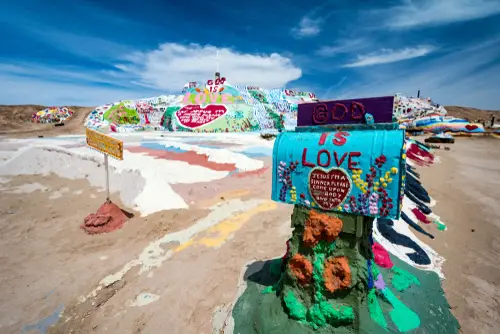
Out in the Colorado Desert, Salvation Mountain became an unlikely influencer backdrop. Its brightly painted biblical messages and rainbow-colored adobe structure pop dramatically in photos. Instagram transformed it from a folk art environment into a must-stop roadside attraction. The vibrant visuals created expectations of a large art complex.
In truth, Salvation Mountain is a single handmade hill created by Leonard Knight over decades. It sits near Slab City and remains a volunteer-supported site with a deeply personal story. The scale surprises some visitors who expect something more expansive. Social media amplified its colors and symbolism, reshaping it into a bucket-list photo op.
5. Lake Elsinore Poppy Fields, California
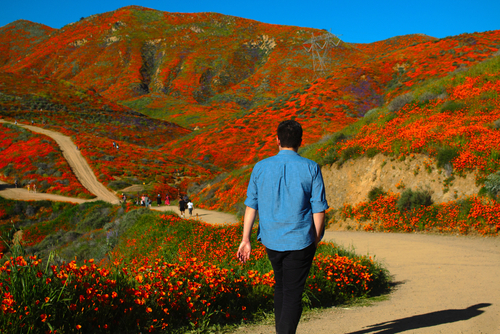
Every spring, photos of blazing orange hillsides at Lake Elsinore Poppy Fields go viral. The California poppy super blooms look like something out of a painting. Carefully framed shots made it appear as though visitors could frolic alone through endless flowers. That visual fantasy drew massive crowds.
During peak blooms, city officials have closed access roads due to traffic congestion and safety issues. Visitors are required to stay on trails to protect fragile wildflowers. The difference between a tightly cropped photo and the reality of crowd control can be stark. Social media transformed a seasonal natural event into a high-pressure spectacle.
6. Marfa, Texas
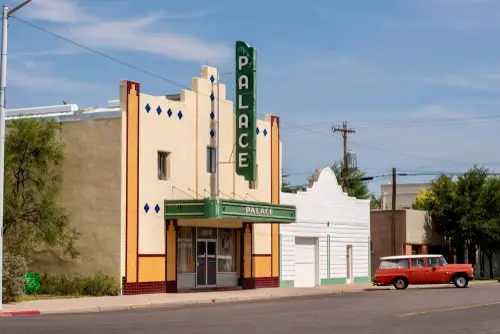
Minimalist art installations and desert Prada storefront photos put Marfa on the global travel map. Images of Prada Marfa and wide-open West Texas skies created a mystique of remote artistic cool. Instagram suggested a bustling, avant-garde desert hub. The aesthetic felt bigger than the town itself.
Marfa is home to fewer than 2,000 residents and remains intentionally small. Many installations require advance planning or are located miles apart. Visitors sometimes arrive expecting constant activity and nightlife. Social media elevated its vibe into something grander and more crowded than daily life there suggests.
7. Multnomah Falls, Oregon
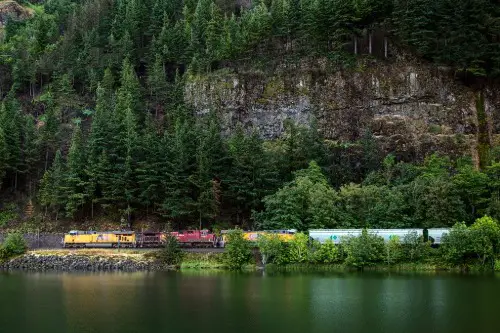
Towering and elegant, Multnomah Falls looks like a fairy tale in photos. The iconic Benson Bridge spanning the lower cascade appears serene and lightly visited online. Lush greenery and misty air complete the fantasy. Instagram made it one of Oregon’s most shared natural landmarks.
In reality, it is the most visited natural recreation site in the Pacific Northwest. Timed-use permits have been required during peak seasons to manage congestion. Parking along the Historic Columbia River Highway became so problematic that new regulations were introduced. Social media turned a roadside waterfall into a global destination.
8. The Wave, Arizona/Utah
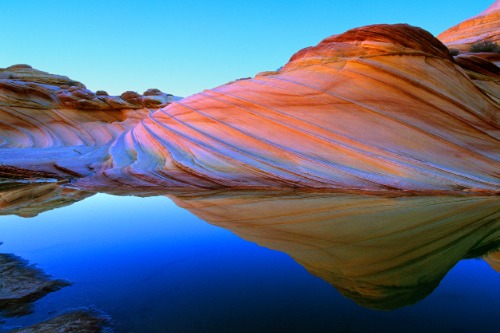
The swirling sandstone formation known as The Wave looks digitally enhanced in photos. Its red and orange striations curve like liquid across the rock. Social media made it seem like a hidden gem you could simply hike to. The reality is far more exclusive.
Access is limited through a highly competitive permit lottery system. Only a small number of hikers are allowed each day to protect the fragile landscape. Many hopeful travelers apply multiple times before winning a permit. Instagram built enormous demand for a place intentionally kept rare.
9. Wynwood Walls, Miami
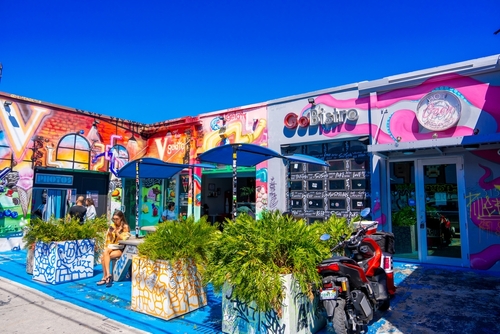
Colorful murals at Wynwood Walls helped redefine Miami’s arts scene online. Bold street art became the ultimate backdrop for fashion and lifestyle shoots. Feeds filled with curated angles that made every corner look brand new. The neighborhood quickly became synonymous with creative cool.
As popularity grew, so did commercialization and redevelopment in Wynwood. Entrance policies and ticketing have evolved over time for the main walls complex. Visitors sometimes expect an entirely free-flowing street art district. Social media amplified both its art and its transformation.
10. Hamilton Pool Preserve, Texas
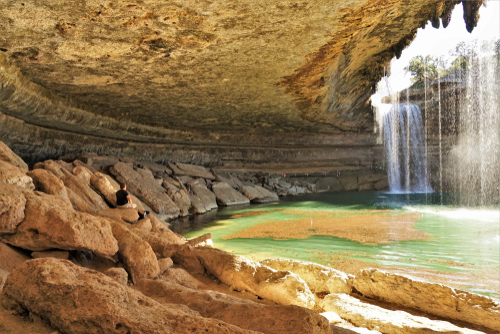
The jade-green swimming hole at Hamilton Pool Preserve looks like a tropical grotto in photos. A waterfall spills over a limestone overhang into the pool below. Instagram made it appear like a spontaneous summer dip spot. The filtered images rarely show restrictions.
Due to erosion concerns and water quality, reservations are required for entry. Swimming is sometimes prohibited depending on bacterial levels and falling rock risks. The preserve carefully limits daily visitors to protect the environment. Social media created demand that forced stricter management of a fragile site.
11. Skagit Valley Tulip Fields, Washington
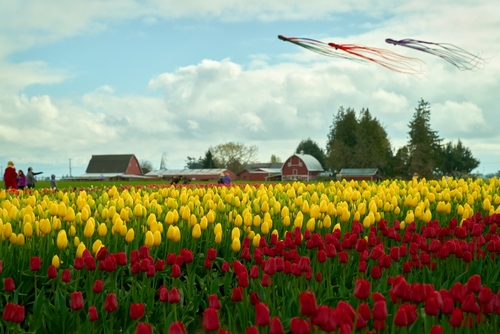
Each spring, the tulip fields of Skagit Valley explode across social feeds. Endless rows of bright blooms look like technicolor stripes stretching to the horizon. Photos often exclude farm equipment, fences, and neighboring roads. The imagery suggests an uninterrupted floral paradise.
In reality, the fields are working farms participating in the Skagit Valley Tulip Festival. Access varies by farm, and visitors must respect private property. Traffic congestion during peak bloom is common. Social media transformed agricultural land into a seasonal pilgrimage site.
12. Times Square, New York City
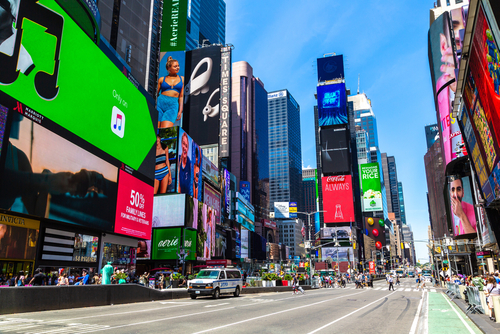
The neon blaze of Times Square has always been iconic, but social media intensified its glow. Nighttime photos highlight massive LED screens and Broadway marquees in perfect symmetry. Influencers often frame it as pure cinematic energy. The expectation is nonstop magic.
In person, it is crowded nearly every hour of the day. Costumed characters, traffic barriers, and construction can compete with the sparkle. First-time visitors sometimes feel overwhelmed by the sensory overload. Social media distilled it into a highlight reel of light and color.
13. Glacier National Park, Montana
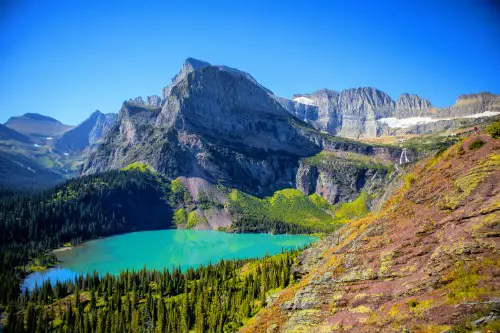
The turquoise waters and alpine peaks of Glacier National Park became Instagram favorites over the past decade. Photos of Going-to-the-Sun Road and Grinnell Glacier look pristine and untouched. The park appears vast and empty in many posts. That illusion fueled a surge in interest.
Record visitation led to vehicle reservation systems during peak seasons. Trailheads can fill early in the morning, especially for the most photographed hikes. Visitors sometimes arrive expecting solitude and easy parking. Social media expanded awareness of the park’s beauty, but it also changed how people experience it.
This post Where Social Media Changed Travel Expectations was first published on American Charm.