1. Los Angeles, California

Los Angeles’ golden sunshine hasn’t kept retirees rooted as costs rise steeply across the region. Sky‑high housing prices and increasing property taxes make staying put tougher, especially when retirement savings are finite. Seniors often describe feeling priced out despite deep community ties and love for the weather. The sprawling geography also means longer drives to appointments and social events, which can feel exhausting with age.
Friends and neighbors relocating to more affordable inland or out‑of‑state cities often lure others to consider new beginnings. You still hear retirees talk about LA’s culture and beaches — it’s just that the daily finances and logistics don’t add up anymore. Social connections pull some back to family elsewhere. For others, peace of mind beats palm trees.
2. New York, New York

New York has seen one of the largest net losses of residents aged 60 and over, with far more retirees moving out than moving in. For many, it comes down to affordability — housing costs, taxes, and everyday expenses easily outweigh the benefits of city life on a fixed income. Retirees tell stories of choosing quieter towns or states where their dollars stretch further and stress levels are lower. Even lifelong New Yorkers admit that the skyline beauty doesn’t always balance the cost of living at retirement age.
That decision is personal, too: some retirees are leaving to be closer to grandchildren or family support networks in more affordable regions. The pace of life, the crowds, and the transit challenges that once felt energizing now feel like barriers. Healthcare access remains excellent, but convenience and cost matter just as much on a retirement budget. In the end, many are trading hustle for ease.
3. San Diego, California

If perfect beach weather were enough to keep retirees, San Diego would be full of them. But the reality of steep housing costs, pricey groceries, and high taxes pushes many older residents to rethink long‑term stays. Some retirees report feeling squeezed between wanting coastal charm and needing cost‑effective living. Even though healthcare options are strong, everyday affordability becomes a deciding factor.
The laid‑back lifestyle that once drew retirees now feels financially precarious for many on fixed incomes. People talk about switching to smaller towns where their savings go further and their routines feel simpler. California’s tax rules and expense profile often make relocation to lower‑cost states a practical choice. Retiring somewhere sunnier and cheaper starts to feel more pragmatic than staying put.
4. Washington, D.C.

The nation’s capital is rich in history and amenities, but it’s also one of the most expensive cities in the country to live in — even for retirees. Rising housing values and property taxes eat into retirement budgets, prompting many to look toward quieter suburbs or states with friendlier tax climates. Congestion and the rhythm of politics‑driven life can wear on retirees seeking calmer daily routines. After decades of city energy, some choose to trade monument views for small‑town porches.
Being closer to family in nearby states also factors into departures, as adult children and grandchildren settle elsewhere. Healthcare access remains a strength here, but convenience and cost drive decisions. The city is still loved by many, just not always affordable for the long haul. Retirees often tell friends that peace of mind matters more than prestige.
5. Denver, Colorado

Denver’s outdoor lifestyle and booming economy appeal to younger crowds, but retirees are leaving faster than they’re arriving. Housing prices have climbed alongside an influx of working‑age professionals, squeezing retirees on fixed incomes. While access to nature is great, the cost of living and property taxes can make balancing a retirement budget difficult. Some seniors find the winters and high altitude less manageable once physical activity routines change.
Healthcare and amenities are plentiful, but daily costs add up quickly. Retirees often cite long commutes and rising services costs as reasons to seek quieter, cheaper locales. The city’s vibrant energy feels more suited to mid‑career residents than those craving slow‑paced golden years. As a result, many are heading toward smaller Colorado towns or warmer states.
6. Oakland, California

Oakland’s cultural character and Bay Area vibrancy haven’t prevented a significant retiree outflow. High living costs — especially housing and taxes — are the main reasons older residents decide to move on. Retirees often mention that once they sell their homes, they can afford much more space in less expensive regions. The cost of everyday life and insurance premiums also factor into the decision.
Some retirees say that, despite great food and community, the general cost pressure doesn’t make sense on a fixed income. Proximity to San Francisco’s pricier markets doesn’t help either. Even with good healthcare access, affordability wins out. So many retirees pack up to find financial comfort elsewhere.
7. Arlington, Virginia
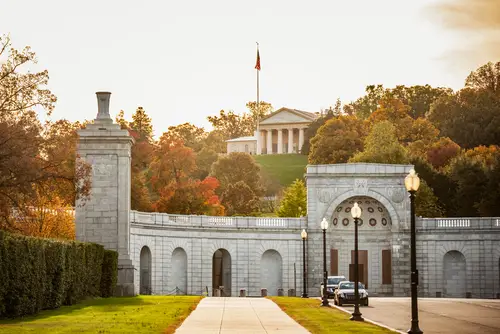
Arlington combines proximity to D.C. with high‑end services, but that blend doesn’t come cheap for retirees. Many older residents report that property taxes and living costs feel out of reach on Social Security and retirement savings. The appeal of urban conveniences slowly fades when weighed against budgets in retirement. Some retirees remark that they love the local history, but day‑to‑day expenses take precedence.
Access to world‑class museums and events is excellent, but that doesn’t offset the financial strain of staying. Retirees often leave for quieter Virginia or North Carolina cities where real estate is far more affordable. Being near grandchildren and family also draws many southward. In the end, the lifestyle that once felt ideal starts to feel too costly.
8. Chicago, Illinois

Chicago’s cultural institutions and deep neighborhoods make it an amazing city — but for many retirees, the cold winters and high property taxes are downsides. Net migration data shows more retirees leaving than arriving, and cost pressures are a big part of the story. Seniors often mention that winters feel longer and more demanding as they age. The city’s tax environment doesn’t make it easier either when retirement income is fixed.
Life in Chicago still means access to top‑tier healthcare and public transit, but the breeze off Lake Michigan can feel chilly in more ways than one. Many retirees opt for warmer climates or smaller nearby cities with gentler winters. Being near family in the Midwest or South also draws folks away. Chicago remains beloved — just not always affordable or comfortable for aging in place.
9. San Jose, California
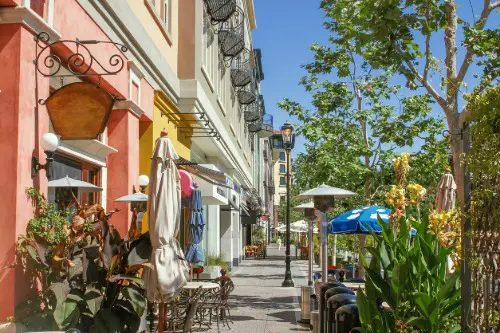
San Jose sits in the heart of Silicon Valley, a tech powerhouse — and one of the least affordable places to retire in the country. Unbelievably high housing prices make downsizing or buying into a retirement budget nearly impossible for many seniors. Even retirees with solid pensions find that San Jose’s cost of living eats into their finances quickly. Those who’ve lived there for decades often say it’s easier to move on than to struggle financially.
The weather and scenery are nice, but practicality wins when every grocery bill and utility cost feels inflated. Seniors often point out that California taxes, on top of property and housing costs, make staying unrealistic without significant savings. Close family ties sometimes keep a few here, but most find greener pastures elsewhere. That’s why this city appears on lists of retiree departures.
10. Anchorage, Alaska

Anchorage offers stunning wilderness and unmatched outdoor access, but those perks come with a higher cost of living and long, harsh winters. Many retirees find that heating costs, travel logistics, and seasonal isolation take a toll on retirement budgets and quality of life. Even though community bonds are strong, the practicalities of daily living — especially healthcare access in extreme weather — push some to relocate. Retirees often trade endless nights in winter for milder climates.
The cost and effort of living in a place so remote from family or major metropolitan centers also influence moves. Some seniors take their savings to more temperate cities with lower expenses. The adventure that once attracted them gradually becomes less appealing. Ultimately, retirement is about comfort — and for many, that means somewhere less extreme.
11. Portland, Oregon
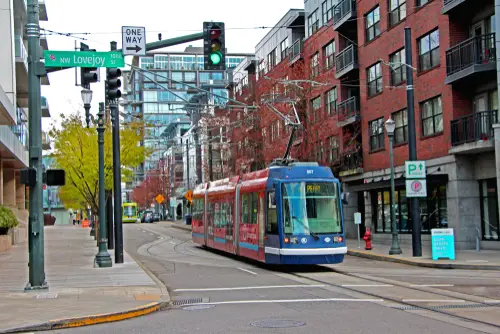
Portland’s quirky charm and nature access are attractive, but rising living costs and housing pressures show up in net retiree outflows. Older residents often cite pricey rent or homes and a cost of living that doesn’t match their retirement savings. The city’s reputation as a cultural hub doesn’t fully offset budgets stretched by everyday expenses. Some retirees say they leave for quieter, smaller Oregon or Washington towns.
Climate and rain can also factor into mood and lifestyle once the daily routine shifts in retirement. Access to healthcare remains solid, but convenience and price matter more. The city feels vibrant, but that intensity wears on some retirees seeking serenity. So they pack up and head toward warmer or less expensive settings.
12. Ann Arbor, Michigan

Ann Arbor is smaller than the other cities on this list, but relative to its size it’s losing retirees at a fast rate. The cost of living — especially rising housing and property taxes — makes staying here harder on a fixed retirement budget. While the university town has excellent healthcare and cultural resources, some seniors feel priced out of comfortable living. Retirees often talk about moving to neighboring Michigan cities where housing costs are friendlier.
Family proximity, lower taxes, and quieter day‑to‑day life pull many retirees to other Midwestern towns. The winter weather here can also feel long and demanding as folks age. Ann Arbor’s vibrancy is beloved, but practicality wins out for those balancing health and finances. Many choose simplicity over local amenities.
13. Chicago Suburbs (Broader Region)

Beyond the city limits, many of the broader Chicago suburban communities — once retirement magnets — are now seeing older residents leave too. With property taxes among the highest in the region and commutes still a part of life, retirees say they’re ready for easier living. The suburbs’ quiet streets and larger homes appeal less when taxes and upkeep outweigh the budget. Some retirees mentioned heading farther south or to the Midwest’s lower‑cost states for peace of mind.
Even with excellent hospital access and community networks, the crunch of living costs hits hard. Friends and neighbors relocating to Florida or the Carolinas often encourage others to follow. The appeal of tax‑friendly states where retirement funds stretch further is strong. And that’s why the suburban flight shows up as part of the broader retiree migration trend.
This post Where Retirees Are Quietly Packing Up and Leaving was first published on American Charm.