
1. Miami
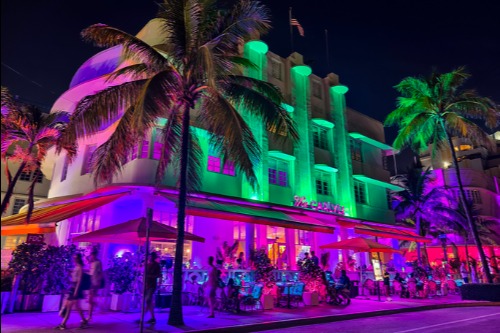
At first glance, Miami’s glossy condo towers and waterfront homes suggest a rock-solid property market driven by constant demand. But the city sits on porous limestone, which makes flooding harder to control even with major infrastructure projects. Rising sea levels already contribute to nuisance flooding that affects streets and basements on sunny days. Insurance premiums have climbed sharply, changing the long-term math for homeowners who assumed appreciation would outpace costs.
That tension shows up in resale conversations, where buyers increasingly ask about elevation certificates and flood zones. Lenders and insurers are scrutinizing properties more closely, especially older buildings near the coast. Condo associations face higher maintenance and reserve requirements, which can translate into surprise assessments. All of that means a home that looks like a blue-chip investment may carry hidden carrying costs that grow faster than expected.
2. Phoenix

Phoenix has long marketed itself as affordable sunshine with steady population growth fueling housing demand. Yet the desert climate is becoming hotter, with longer stretches of extreme heat that strain power grids and outdoor infrastructure. Water security is an ongoing concern because much of the region depends on the Colorado River system. As supply pressures increase, long-term planning decisions can ripple into property values.
Cooling costs are already a meaningful line item for homeowners during peak summer months. Developers are adapting with new building standards, but older housing stock can be expensive to retrofit. Buyers are starting to factor in heat resilience and water policy when comparing neighborhoods. That shift can quickly separate properties that age well from those that feel riskier over a typical mortgage horizon.
3. New Orleans
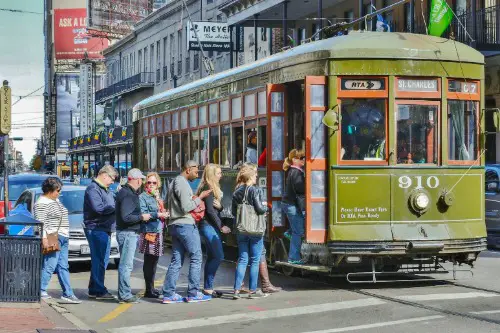
New Orleans charms buyers with historic architecture and a culture that feels unlike anywhere else in the U.S. Beneath that appeal, the city is built on subsiding land that continues to sink in some areas. Its levee system is robust but not foolproof, and major storms remain a recurring threat. Insurance availability and pricing reflect that ongoing exposure.
Homeowners often face higher flood insurance requirements even outside the most obvious risk zones. Maintenance costs can climb as foundations and drainage systems need extra attention. After severe weather, rebuilding timelines and contractor demand can create financial stress. A house that looks timeless on the surface may come with long-term structural and insurance realities buyers need to price in.
4. San Francisco
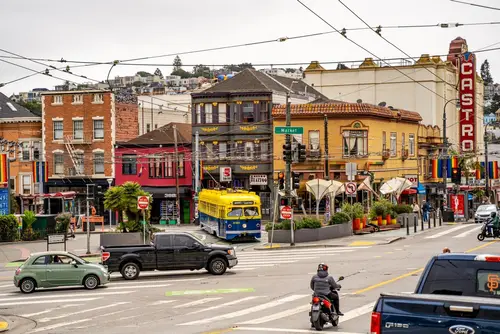
San Francisco property has a reputation for resilience thanks to limited land and global demand. However, the city sits near major fault lines, and seismic risk shapes building codes and insurance decisions. Earthquake retrofits are common but can be costly for owners of older structures. Insurers have periodically adjusted offerings in response to catastrophic risk modeling.
That risk profile affects both financing and resale conversations in subtle ways. Buyers increasingly ask about foundation work, soft-story retrofits, and compliance records. Condo associations may carry special assessments to fund seismic upgrades. The result is a market where headline prices don’t always reflect the full lifecycle cost of ownership.
5. Denver

Denver’s steady job growth and outdoor lifestyle have helped support strong housing demand for years. At the same time, the metro area is exposed to frequent hailstorms that can damage roofs, siding, and vehicles. Wildfire risk has expanded along the foothills as development pushes into fire-prone terrain. These hazards directly influence insurance pricing and rebuilding costs.
Homeowners sometimes face repeated claims that make policies more expensive or harder to renew. New buyers are increasingly attentive to roof age, defensible space, and fire-resistant materials. Neighborhood-level risk differences can produce surprising valuation gaps. A home that feels like a safe bet can carry weather-related costs that quietly chip away at returns.
6. Austin
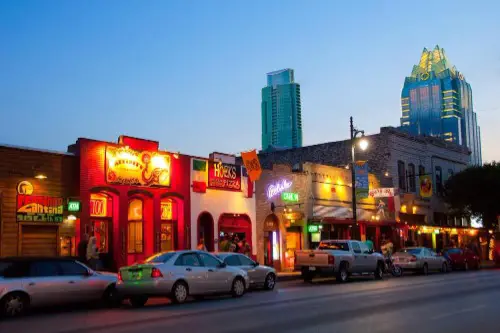
Austin’s tech-driven growth has fueled rapid appreciation and a sense that demand will always outpace supply. Yet the region experiences pronounced boom-and-bust construction cycles that can swing inventory quickly. Extended droughts alternate with flash flooding, stressing drainage systems and foundations. Expansive clay soils in parts of the metro can shift with moisture changes, affecting structural stability.
Foundation repairs are a familiar line item for long-time homeowners in certain neighborhoods. Insurance claims tied to storm damage and soil movement can influence premiums. Buyers who skip soil and drainage evaluations sometimes discover costly surprises later. That combination of rapid growth and environmental stress makes stability feel more certain than it really is.
7. Tampa

Tampa’s waterfront appeal and steady in-migration create an impression of durable housing demand. However, much of the metro area sits at low elevation with meaningful storm surge exposure. Hurricanes don’t need a direct hit to trigger flooding and wind damage. Insurance markets in coastal Florida have been volatile, affecting availability and pricing.
Homeowners are seeing rising deductibles and tighter underwriting standards. Older homes may require upgrades to meet wind mitigation criteria. Buyers increasingly weigh insurance quotes alongside mortgage payments when budgeting. That extra layer of risk can reshape what looks like a straightforward investment.
8. Las Vegas

Las Vegas has reinvented itself as more than a tourist hub, with population growth supporting housing construction. Still, the city depends heavily on a constrained water supply tied to Lake Mead and the Colorado River. Long-term drought has forced conservation measures and planning debates. These resource limits add uncertainty to future expansion patterns.
Water policy decisions can influence where and how new communities are built. Landscaping rules and usage restrictions already shape neighborhood design. Buyers who assume endless growth may overlook these structural constraints. Over time, resource pressures can affect both desirability and carrying costs.
9. Seattle
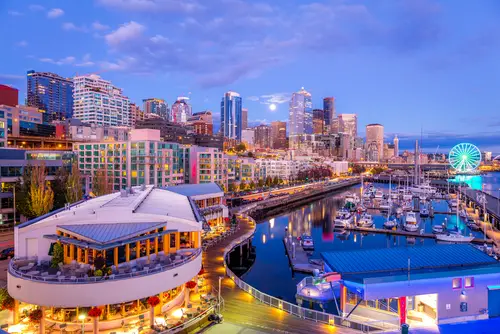
Seattle’s strong job base and limited land have historically buoyed property values. The region, however, sits within a seismically active zone capable of producing significant earthquakes. Liquefaction risk in some low-lying areas can amplify damage during major events. Building age and retrofit status matter more than many buyers realize.
Insurance coverage for earthquake damage is typically separate and optional. Owners of older homes may face substantial upgrade costs to improve resilience. Buyers who skip seismic assessments can underestimate long-term exposure. That hidden layer of risk complicates the perception of guaranteed stability.
10. Charleston
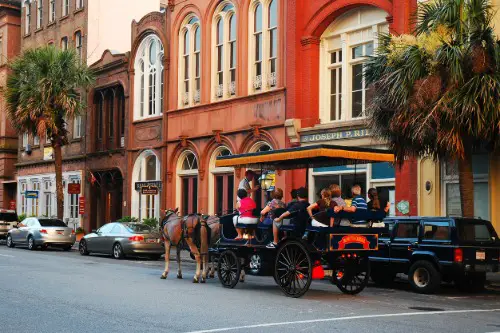
Charleston’s historic charm and coastal setting attract steady interest from buyers and investors. Much of the city is low-lying, making it sensitive to tidal flooding and heavy rain events. Sunny-day flooding has become more visible in certain neighborhoods. Preservation requirements can also increase renovation complexity and cost.
Insurance premiums often reflect both flood exposure and historic construction features. Elevation projects and drainage improvements can be expensive undertakings. Buyers may discover that maintaining period-correct materials adds to ongoing expenses. A postcard-perfect property can carry risk factors that aren’t obvious at first walk-through.
11. Anchorage

Anchorage offers scenic living and a relatively tight housing market shaped by geography. The city is in an active seismic region, with past earthquakes causing widespread structural damage. Freeze-thaw cycles can stress foundations, roads, and utility lines. Remote logistics also influence construction timelines and material costs.
Homeowners often budget for higher maintenance tied to climate extremes. Insurance and repair work can take longer due to supply chain constraints. Buyers unfamiliar with cold-region building practices may underestimate lifecycle costs. Those realities can temper the sense of long-term predictability.
12. Boise
Boise has seen rapid in-migration that pushed prices up and reinforced a narrative of unstoppable growth. That pace has outstripped local wage growth in some sectors, raising affordability concerns. The region also faces wildfire smoke impacts and expanding development at the wildland-urban interface. These pressures introduce volatility into what looks like a steady climb.
Shifting demand can cool quickly when affordability thresholds are reached. Insurance considerations tied to fire risk are becoming more visible in certain outskirts communities. Buyers who stretch budgets may be more sensitive to market corrections. A hot market can still wobble when underlying fundamentals change.
This post Where Property Looks Stable—but Isn’t was first published on American Charm.

