
1. San Francisco, California
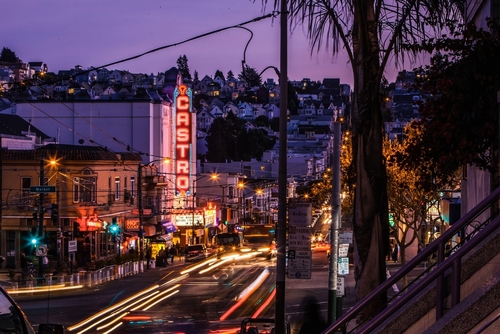
People have been moving to San Francisco for decades chasing tech money, startup dreams, and six-figure salaries straight out of college. On paper, it still looks like a land of opportunity, especially for engineers and founders. But the cost of living is among the highest in the country, with median home prices long hovering well above $1 million. Even high earners can find themselves stretched thin by rent, taxes, and everyday expenses.
The competition is just as intense as the housing market. For every success story, there are countless workers stuck in contract roles or laid off during industry downturns. The tech sector has gone through multiple waves of layoffs in recent years, leaving newcomers scrambling. It’s easy to arrive expecting a rocket ship and instead feel like you’re treading water.
2. Los Angeles, California

Los Angeles sells a powerful dream: Hollywood, influencer fame, and creative careers that turn into household names. Every year, aspiring actors, writers, and musicians pack up and head west believing this is where it all happens. What they often discover is a gig economy that’s brutally competitive and inconsistent. Even union jobs can be scarce during industry slowdowns.
Housing costs compound the struggle, with rents far above the national average. Many newcomers juggle multiple part-time jobs while auditioning or pitching projects. The entertainment industry also tends to favor connections and long-standing networks. For some, the dream remains alive, but for many, the grind becomes a dead end.
3. New York City, New York

New York has always marketed itself as the city where ambition thrives. Finance, media, fashion, and publishing all promise high-powered careers and big paydays. But entry-level salaries often don’t match the city’s staggering cost of living. Rent for even modest apartments can consume a huge share of take-home pay.
Competition is relentless, especially in fields like investment banking and media. Layoffs in sectors like tech and journalism have hit the city hard at times. Long hours and high stress are often the norm rather than the exception. Plenty of people make it, but plenty more burn out before they get there.
4. Houston, Texas
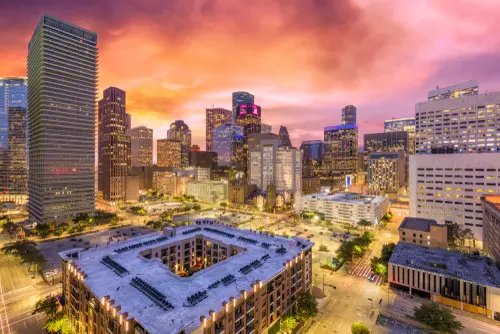
Houston has drawn people in with its historically affordable housing and strong energy sector. For years, oil and gas jobs offered high wages without a coastal price tag. But the energy industry is notoriously cyclical, with layoffs tied closely to swings in oil prices. When crude prices fall, hiring can freeze almost overnight.
That volatility can trap newcomers who relocated specifically for energy work. Diversification efforts have grown, but oil and gas still play an outsized role in the local economy. Flooding risks and costly storm damage also add financial strain for homeowners. What looks like a stable bet can quickly become uncertain.
5. Detroit, Michigan

Detroit’s comeback narrative has attracted entrepreneurs and artists looking for cheap real estate and room to build something new. After the city’s 2013 bankruptcy, redevelopment efforts brought new restaurants, startups, and investment to downtown areas. But outside revitalized pockets, many neighborhoods still struggle with high poverty rates and limited job growth. The broader regional economy hasn’t rebounded evenly.
Auto industry jobs, once the backbone of opportunity, have become far more automated and less plentiful. Manufacturing employment is a fraction of what it was decades ago. Newcomers sometimes underestimate how concentrated the revival has been. The gap between the marketing and the reality can feel stark.
6. Las Vegas, Nevada
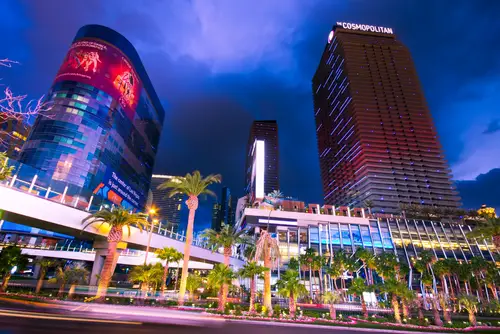
Las Vegas has long promised quick employment in hospitality, entertainment, and tourism. With no state income tax and a steady flow of visitors, it can look like an easy place to get ahead. But the local economy is heavily dependent on tourism and conventions. When travel slows, jobs can disappear quickly.
The pandemic underscored how vulnerable the city is to sudden downturns. Thousands of hospitality workers were laid off or furloughed when casinos shut down. Even in good times, many service roles offer modest wages and limited upward mobility. The bright lights don’t always translate into long-term security.
7. Miami, Florida
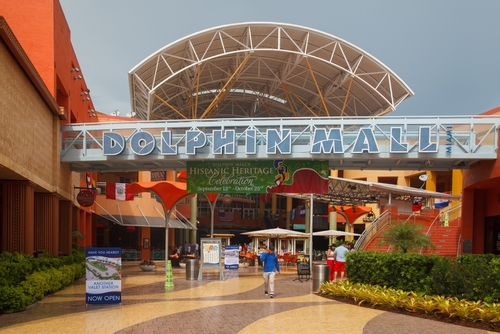
Miami markets itself as a gateway to Latin America and a growing hub for finance and tech. In recent years, remote workers and crypto startups have flocked to the city. But wages in many local industries haven’t kept pace with rising rents and home prices. The housing market has become significantly more expensive.
The job market can also be surprisingly narrow outside tourism, real estate, and certain finance niches. Hurricanes and high insurance costs add another layer of financial risk. For newcomers expecting a booming tech scene, opportunities may be thinner than advertised. The lifestyle is appealing, but stability can be harder to find.
8. Seattle, Washington

Seattle became synonymous with opportunity thanks to major employers like Amazon and Microsoft. High salaries in tech drew workers from across the country. But housing prices surged alongside job growth, pushing affordability out of reach for many. The median home price has often been far above the national average.
The tech sector’s recent hiring slowdowns and layoffs have added uncertainty. Workers who moved for a specific role may find fewer comparable openings if they’re let go. Competition for mid-level and senior roles can be intense. What once felt like a guaranteed ladder upward can suddenly feel shaky.
9. Nashville, Tennessee

Nashville’s reputation as “Music City” continues to attract aspiring performers and songwriters. The city has also marketed itself as a business-friendly, lower-tax alternative to larger metros. Rapid population growth has driven up housing costs dramatically over the past decade. Rents and home prices have climbed much faster than local wages in many sectors.
The music industry remains highly competitive, with limited spots at the top. Tourism and hospitality jobs are plentiful but often low paying. Healthcare is a major employer, but specialized roles can require advanced credentials. For many newcomers, the path to lasting opportunity proves narrower than expected.
10. Phoenix, Arizona
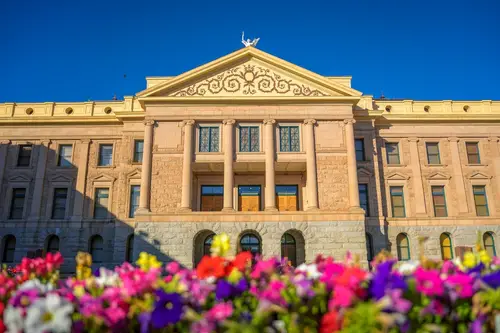
Phoenix has drawn transplants with its warm weather, relative affordability, and expanding suburbs. Construction and real estate boomed as people poured in. But rapid growth has strained infrastructure and pushed up housing costs. Water scarcity concerns in the Southwest also cast long-term uncertainty over development.
The job market, while growing, often skews toward service roles and lower wage sectors. When the housing market cools, construction jobs can dry up quickly. Extreme summer heat can also limit certain types of outdoor work. The promise of easy living can come with hidden trade-offs.
11. Denver, Colorado
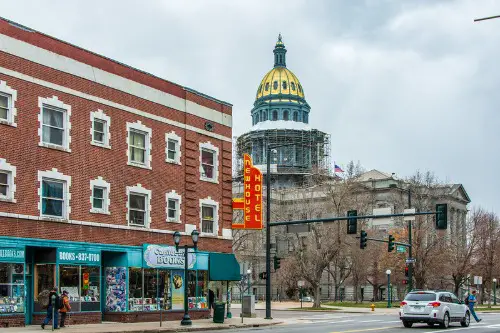
Denver became a magnet for young professionals seeking outdoor lifestyles and a growing tech scene. For years, it was seen as a more affordable alternative to coastal cities. But housing prices and rents have climbed steeply, narrowing that affordability gap. The cost of living now rivals larger metropolitan areas in some respects.
Competition for desirable jobs has intensified as more people move in. Industries like tech and aerospace are strong but not limitless. Service workers often struggle to keep up with rising housing costs. The mountain backdrop is stunning, but the economic climb can be steep.
12. Atlanta, Georgia

Atlanta has marketed itself as a major business hub in the Southeast. Corporate headquarters, film production, and logistics have fueled job growth. But income inequality in the region is significant, and many neighborhoods haven’t benefited equally. Commuting times and transportation challenges can add daily stress and expense.
Film and television production, while high profile, can be project-based and inconsistent. Corporate roles can be competitive and concentrated among experienced professionals. Rapid population growth has also pushed housing prices upward in desirable areas. The opportunity is real, but it’s not evenly distributed.
13. Bozeman, Montana
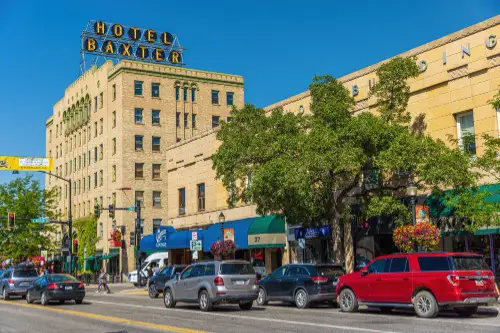
Bozeman has attracted remote workers and entrepreneurs drawn to its natural beauty and quality of life. An influx of higher-income newcomers has driven housing prices sharply upward. Median home prices have far outpaced local wages in sectors like education and service work. Longtime residents and new arrivals alike can struggle to find affordable housing.
The local economy remains relatively small and concentrated in tourism, education, and small businesses. Job options outside those sectors can be limited. As remote work policies shift, some transplants may find fewer reasons to stay. What feels like a fresh start in Big Sky Country can quickly narrow into a tight job market.
This post Where People Move for Opportunity Only to Hit Dead Ends was first published on American Charm.

