
1. Palm Desert, California

Palm Desert is a desert oasis with a large older population, thanks to warm weather and active adult communities. A significant portion of residents are retirees, creating high demand for healthcare and senior services. While golf courses and social clubs abound, hospitals and specialized care can be limited. Older adults often have to plan ahead for appointments or travel outside the city for specialized services.
The city’s infrastructure struggles to keep up with a population skewed toward older adults. Public transit is limited, and services like home health care are in high demand. Volunteer programs help fill the gaps, but demand often exceeds supply. Palm Desert illustrates the trade-offs of a popular retirement location.
2. The Villages, Florida
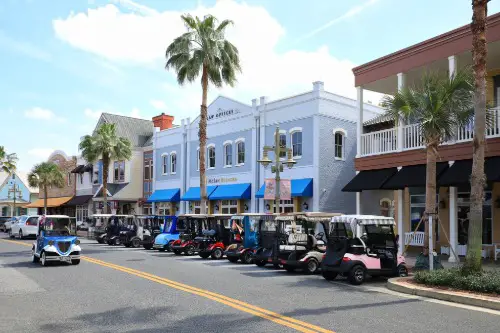
The Villages is famous as one of the nation’s largest retirement communities, with a huge share of residents over 65. It’s essentially a city built for seniors, with golf courses, social clubs, and active-living programs everywhere you look. But beyond the planned community itself, healthcare and transportation resources can feel stretched. Older residents often have to travel outside the community for hospitals or specialized care.
Life in The Villages is socially vibrant, but the high concentration of older adults creates a constant demand for services. Emergency medical response and caregiving resources can be taxed at peak times. Even simple errands like grocery shopping can require extra planning for residents without personal transportation. The city is a perfect example of how a retirement haven can outgrow local services quickly.
3. Bonita Springs, Florida
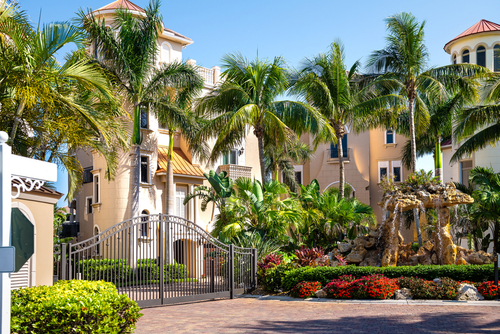
Bonita Springs has become a magnet for retirees, with roughly 40% of the population over 65. It’s a sunny, relaxed place ideal for people looking to downsize and enjoy warm winters. But with so many older residents, hospitals, clinics, and mobility services can feel limited. Accessing specialists often means driving to Fort Myers or Naples, which can be challenging for seniors.
The city’s infrastructure hasn’t fully caught up to the growing retiree population. Public transportation is minimal, and home health services can be oversubscribed. Volunteer networks help fill gaps, but they can’t cover all needs. Bonita Springs shows how retirement popularity can sometimes outpace local resources.
4. Lake Havasu City, Arizona
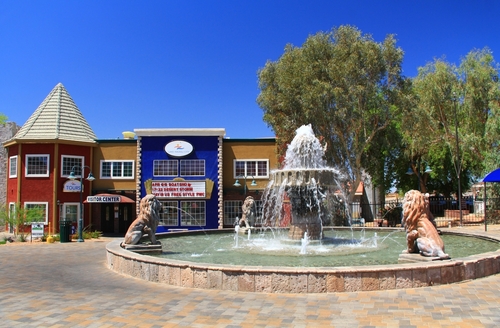
Lake Havasu City attracts retirees with its warm weather and lake lifestyle, and about a third of its population is over 65. Seniors enjoy boating, golf, and community clubs, but essential services haven’t fully expanded to meet their needs. Hospitals are limited, and geriatric care is mostly concentrated in a few clinics. Older residents may need to drive long distances for specialized medical appointments.
Public transit is minimal, leaving seniors who don’t drive with few options for getting around. Daily errands or appointments can take a lot of time and planning. Social support networks help, but they can’t fully replace formal healthcare and transportation services. Lake Havasu City shows the challenges of a climate-driven retirement boom.
5. Sarasota, Florida
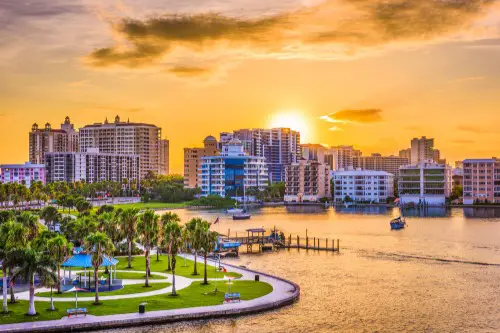
Sarasota has long been a retirement hotspot, with more than 30% of residents over 65. Its beaches, cultural amenities, and golf communities attract older adults from across the country. However, the city’s healthcare system and transportation options can feel stretched. Specialized care, including geriatric and long-term care services, often requires travel to larger cities nearby.
Seniors in Sarasota often rely on a patchwork of volunteer programs, friends, and family for everyday support. Public transit and accessible infrastructure are limited compared with the city’s older population. Even with excellent community activities, the strain on services is noticeable. Sarasota shows how popularity among retirees can challenge municipal resources.
6. Prescott, Arizona

Prescott is a small Arizona city with a high proportion of retirees enjoying mild weather and outdoor activities. Nearly 30% of its residents are over 65, creating growing demand for medical and social services. Local hospitals are busy, and some specialized care requires travel to Phoenix. Seniors without personal transportation face challenges accessing even basic services.
While Prescott is charming and culturally vibrant, public transit is minimal, and mobility support is limited. Volunteer programs provide some relief, but the need often exceeds availability. Grocery delivery, senior housing, and accessible facilities are in high demand. Prescott highlights the tension between lifestyle appeal and service availability for older adults.
7. Cape Coral, Florida
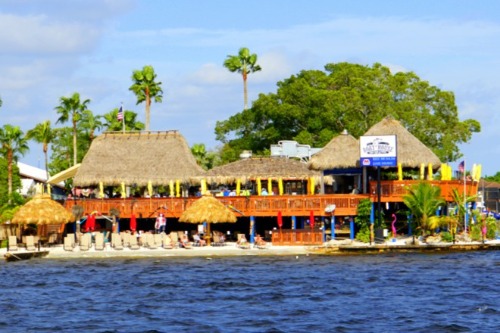
Cape Coral has seen rapid growth among retirees, with a large share of residents over 65. The city’s canal-filled layout and sunny climate make it attractive for aging in place. But the local infrastructure often struggles to meet the demand for healthcare, transportation, and social support. Seniors may have to drive significant distances for specialists or emergency care.
Even everyday errands can become challenging for older residents who don’t drive. Volunteer networks and community centers help, but coverage is uneven. Public transit is sparse, so mobility is often an issue. Cape Coral shows how rapid retirement growth can outpace the services that seniors rely on.
8. Sun City, Arizona

Sun City is one of the original age-restricted communities, with nearly all residents over 55 and a large portion over 65. While amenities like golf courses and social clubs are abundant, healthcare and emergency services face significant demand. Hospitals are nearby, but geriatric services are concentrated and can be hard to schedule. Seniors living independently may struggle to access timely medical care.
Mobility can also be an issue; public transportation is limited, and not everyone drives. Daily tasks like grocery shopping or pharmacy visits can require planning. Volunteer services and social networks help, but they can’t cover all gaps. Sun City illustrates the challenges of extremely concentrated aging populations.
9. Naples, Florida
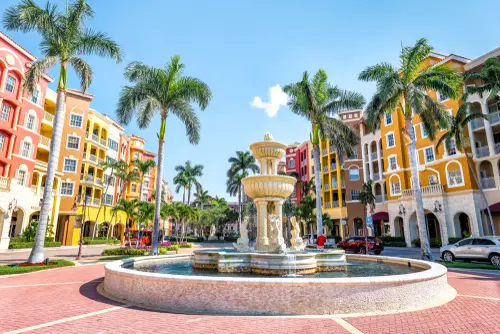
Naples is known for luxury retirement living, with roughly 35% of residents over 65. Its beaches, golf communities, and cultural attractions draw seniors from across the country. Hospitals and clinics exist, but the high demand for healthcare and home services often exceeds capacity. Specialists in geriatrics or cardiology may have long wait times or require travel outside the city.
Public transportation is limited, which can make daily errands difficult for seniors without cars. Volunteer networks help bridge gaps, but they’re not comprehensive. Housing for independent older adults is plentiful, but long-term care resources are stretched. Naples shows that even wealthy retirement hubs can have service shortages.
10. Sun City West, Arizona

Sun City West is another Arizona retirement community with a very high proportion of residents over 65. It offers active lifestyle amenities, but healthcare services are concentrated in only a few clinics. Specialized or urgent medical care often requires driving to larger nearby cities. Seniors living alone may struggle with transportation for daily needs or medical appointments.
The city is well-planned for recreation, but public transit and mobility assistance are minimal. Volunteer networks provide limited support for errands and appointments. Even with community amenities, the infrastructure for critical services is under pressure. Sun City West highlights how age concentration can outpace municipal services.
11. Green Valley, Arizona

Green Valley has become a popular retirement community south of Tucson, with about 60% of residents over 65. While it’s scenic and peaceful, healthcare facilities are limited for the population size. Many older residents must travel to Tucson for specialist care or hospital services. Public transit options are minimal, making mobility difficult for non-drivers.
The community offers social and recreational activities, but practical services like home health care and accessible transportation are stretched. Volunteer networks help, but demand is high. Grocery shopping, pharmacy trips, and routine medical visits often require careful planning. Green Valley illustrates the gap between population age and available services in retirement-focused towns.
12. Hendersonville, North Carolina
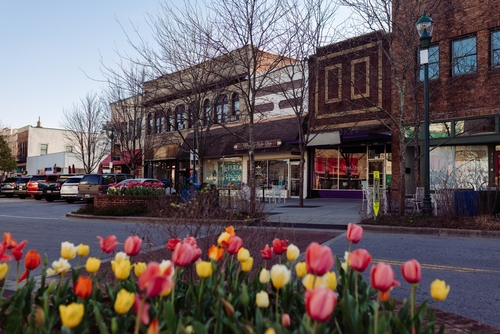
Hendersonville has long been a retirement destination, with a large share of residents over 65. Its small-town charm and scenic mountains attract retirees, but healthcare and transportation services haven’t expanded at the same rate. Older adults may face long drives for specialists or hospital care. Limited public transit means seniors without cars are particularly vulnerable.
Volunteer and nonprofit networks provide some support, but they can’t fully replace infrastructure. Daily errands, medical appointments, and social engagement often require careful coordination. The city’s aging population has outpaced the growth of local services, creating a tangible gap. Hendersonville shows that even smaller, picturesque towns face real challenges for their older residents.
This post Where Older Residents Outnumber Services was first published on American Charm.

