
1. Pittsburgh
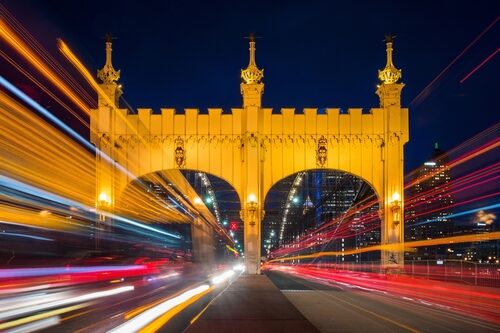
Pittsburgh reinvented itself after the collapse of the steel industry in the 1970s and 1980s. At one point the region lost more than 100,000 steel jobs, sending shockwaves through local communities. The economic shift was painful, and many families had to rethink their futures. But the city’s identity never disappeared along with the mills.
Residents still wear black and gold like a second uniform. Sports teams, neighborhood traditions, and a strong regional accent all reinforce Pittsburgh’s sense of belonging. Pride in the city’s working-class heritage remains strong even as healthcare, education, and tech replaced heavy industry. People here still talk about steel like it never really left.
2. Detroit
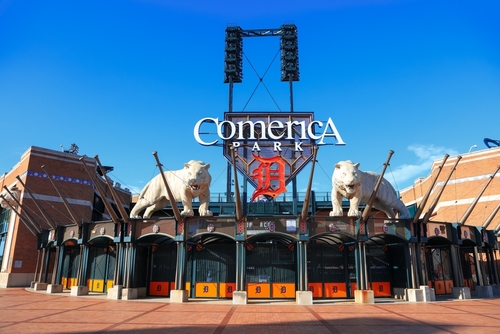
Detroit has spent decades being the national shorthand for economic collapse, yet the city’s pride never really left. The decline of the American auto industry hollowed out neighborhoods and cost hundreds of thousands of manufacturing jobs after the 1950s. Even so, locals still talk about the Motor City with a mix of grit and loyalty that borders on stubborn. It’s the kind of place where people defend their hometown before you even finish criticizing it.
The pride shows up in Detroit’s music legacy, sports fandom, and deep community roots. This is the birthplace of Motown, techno, and a long line of auto innovations that shaped modern America. Residents celebrate Detroit-style pizza, block parties, and fiercely loyal support for the Lions and Tigers despite decades of economic struggle. Paychecks may have shrunk, but the city’s sense of identity remains massive.
3. Cleveland
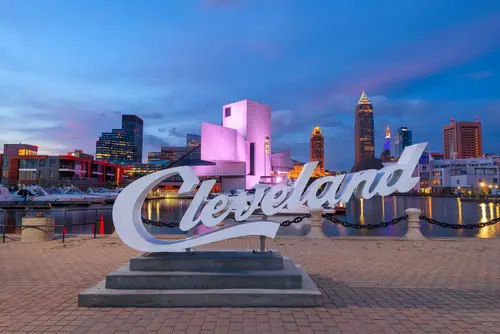
Cleveland’s industrial heyday once made it one of the wealthiest cities in America. Steel mills, shipping on Lake Erie, and heavy manufacturing provided solid middle-class wages for generations. As those industries declined in the late 20th century, the population shrank and many jobs disappeared. Yet Clevelanders kept their civic pride intact, often with a self-aware sense of humor.
People here proudly embrace the city’s reputation as a scrappy underdog. The long championship drought that ended with the Cavaliers’ 2016 NBA title only strengthened that identity. Neighborhood traditions, lakefront culture, and an unexpectedly strong arts scene keep locals invested. Even when the economy lagged, Clevelanders never stopped rooting for Cleveland.
4. Buffalo
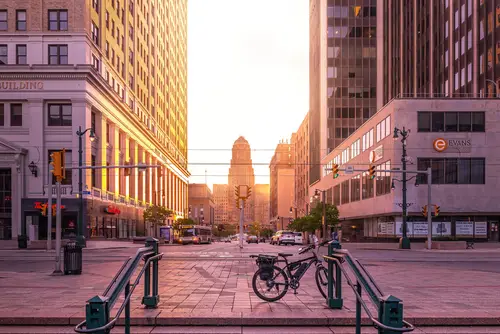
Buffalo once thrived as a major industrial hub and shipping gateway thanks to the Erie Canal and Great Lakes trade. When shipping routes changed and manufacturing jobs disappeared after World War II, the city lost population and economic momentum. Many residents stayed anyway, holding onto deep ties to family and neighborhood. That loyalty became a defining part of Buffalo’s identity.
Local pride shines through in everything from tailgating culture to winter toughness. Bills fans famously show up in blizzards and treat the team like a civic institution. The city’s architecture, food traditions like Buffalo wings, and lakefront heritage reinforce a strong sense of place. In Buffalo, sticking around through tough times is practically a badge of honor.
5. New Orleans
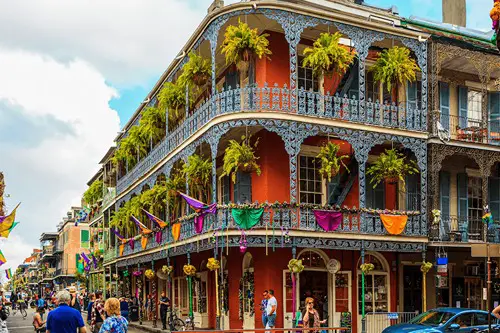
New Orleans has endured economic instability, natural disasters, and long-standing poverty rates. Hurricane Katrina in 2005 devastated neighborhoods and displaced hundreds of thousands of residents. Many businesses and jobs vanished overnight, leaving the local economy struggling for years. Yet if anything, the city’s identity only grew stronger.
Music, food, and celebration form the backbone of local pride. Jazz clubs, second-line parades, and Mardi Gras traditions make residents feel like guardians of a living culture. Even people who leave often consider themselves New Orleanians forever. The paychecks may fluctuate, but the cultural confidence never does.
6. Baltimore
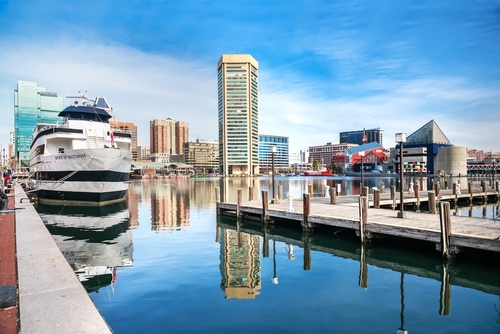
Baltimore has faced decades of industrial decline, population loss, and economic inequality. The collapse of shipbuilding and manufacturing along the harbor hit the city hard during the late 20th century. Entire neighborhoods struggled with unemployment and disinvestment. Still, Baltimoreans remain fiercely loyal to their hometown.
That pride shows up in distinctive local traditions and a strong neighborhood identity. Residents celebrate everything from crab feasts to the quirky “Hon” culture tied to working-class history. The city’s accent, sports teams, and waterfront history all reinforce a sense of belonging. Baltimore may have its struggles, but locals rarely let outsiders define it.
7. Milwaukee
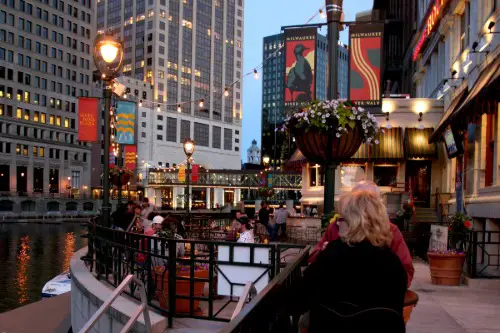
Milwaukee was once synonymous with American brewing and manufacturing. As factories closed and the brewing industry consolidated, thousands of stable union jobs disappeared. Like many Midwestern cities, Milwaukee had to confront economic stagnation and population shifts. But the local pride tied to its industrial heritage never faded.
Residents still celebrate the city’s beer culture, ethnic festivals, and lakefront identity. Summer events like Summerfest bring huge crowds and reinforce a shared civic spirit. Milwaukeeans often describe their city as underrated and worth defending. That sense of loyalty keeps people rooted even when opportunities fluctuate.
8. St. Louis
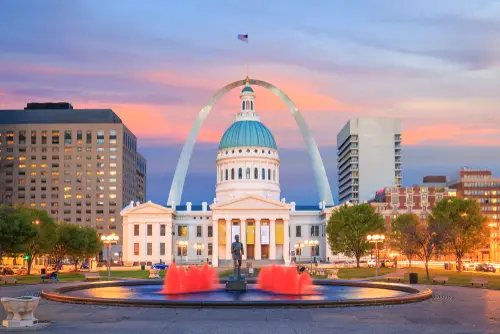
St. Louis has struggled with population loss and economic restructuring for decades. The city’s manufacturing base shrank dramatically after the mid-20th century, and suburbanization pulled residents outward. While the metropolitan area remains economically significant, the city itself saw declining tax revenue and employment. Yet locals continue to speak about St. Louis with deep affection.
The Gateway Arch, baseball tradition, and distinctive neighborhoods create a strong civic identity. Cardinals fandom in particular unites people across economic and social lines. Residents take pride in local foods like toasted ravioli and gooey butter cake. Even when the city’s economy wavered, the loyalty stayed steady.
9. Albuquerque
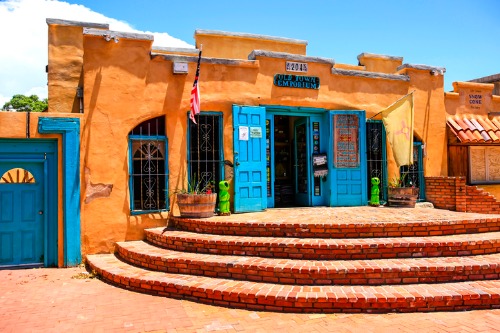
Albuquerque doesn’t have the same industrial collapse story as Rust Belt cities, but wages have historically lagged behind national averages. The city has struggled with limited high-paying industries and periodic economic stagnation. Many residents work in service sectors, government jobs, or tourism-related businesses. Despite that, the local identity remains deeply rooted.
The city’s pride draws heavily from its cultural blend of Native American, Hispanic, and Southwestern traditions. Events like the International Balloon Fiesta give residents a globally recognized symbol to rally around. Albuquerque’s landscapes, cuisine, and artistic culture create a strong emotional connection for locals. Even when incomes lag, people tend to stay fiercely attached to the city.
10. Fresno
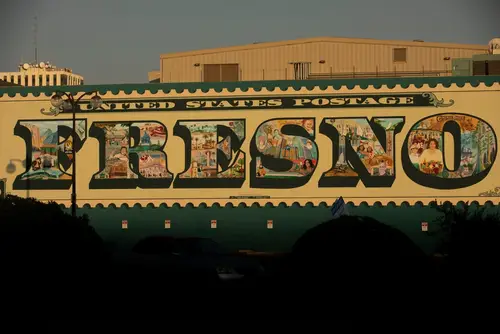
Fresno sits in the agricultural heart of California’s Central Valley, yet it consistently ranks among the state’s lower-income major cities. Farm work, food processing, and logistics dominate the regional economy, often offering modest wages. Rapid population growth has sometimes outpaced economic development. Even so, the city’s residents show strong pride in their community.
Locals celebrate Fresno’s connection to agriculture and its proximity to national parks like Yosemite and Sequoia. The city’s diverse population has also shaped a vibrant food scene and cultural mix. Many residents see Fresno as overlooked by coastal California but worth defending. That underdog identity fuels a persistent hometown loyalty.
11. Scranton
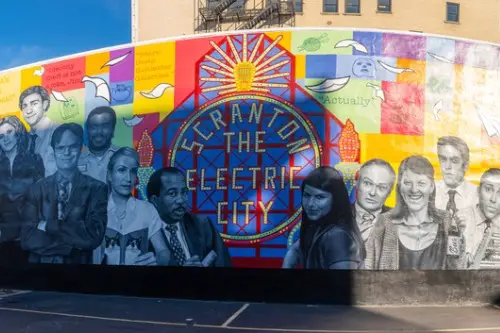
Scranton’s economy once revolved around coal mining and railroads. When those industries collapsed in the mid-20th century, the city experienced a long period of economic decline and population loss. Jobs disappeared, and many younger residents moved elsewhere in search of better opportunities. Still, people who stayed developed a powerful sense of local pride.
That loyalty shows up in tight-knit neighborhoods and strong family ties. The city’s blue-collar history remains central to how residents see themselves. Scranton also gained pop-culture visibility as the setting of the TV show The Office, which locals happily lean into. Even without booming paychecks, the community identity remains strong.
This post Where Local Pride Outlived Local Paychecks was first published on American Charm.

