1. Detroit, Michigan
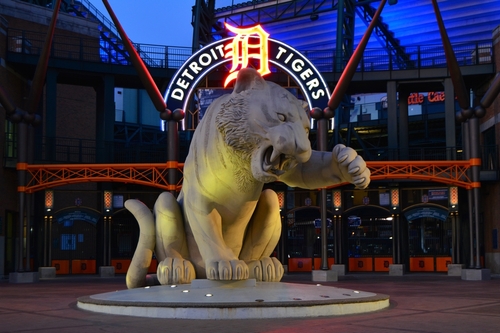
Detroit makes the list because its economy was once inseparable from auto manufacturing. When factory closures and automation reduced wages and jobs, the city lost population and tax base rapidly. What didn’t leave was the belief that Detroit is a place that builds, innovates, and matters. That identity outlasted the paychecks that once sustained it.
Local pride shows up in community organizing, neighborhood restoration, and the way residents talk about resilience. Detroiters are quick to challenge outdated narratives about decline. Music, art, and car culture remain central to how the city defines itself. Staying in Detroit is often framed as a statement of belief rather than convenience.
2. Youngstown, Ohio
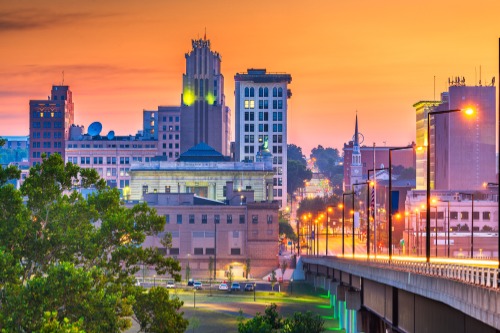
Youngstown belongs here because the collapse of the steel industry was sudden and devastating. Mill shutdowns erased well-paying union jobs that had supported families for generations. Despite that loss, the city continues to define itself as a steel town in spirit. The shared memory of industrial work still anchors local identity.
Residents express pride through loyalty to Youngstown State University and neighborhood traditions. Stories about the mills are passed down even by people who never worked there. Food, especially Italian-American cuisine, is treated as a marker of place. Pride persists as a bond formed through collective loss.
3. Gary, Indiana
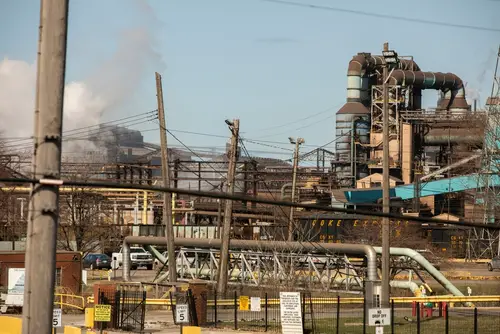
Gary is included because it was built almost entirely around U.S. Steel and struggled when the industry contracted. Job losses led to population decline and visible disinvestment. Even so, many residents maintain a strong attachment to the city. That attachment often defies outside perceptions.
Local pride frequently centers on Gary’s cultural legacy, including its role in American music history. Longtime residents speak about the city as misunderstood rather than broken. Community groups work to preserve neighborhoods and schools despite limited resources. Pride functions as resistance to abandonment.
4. Flint, Michigan
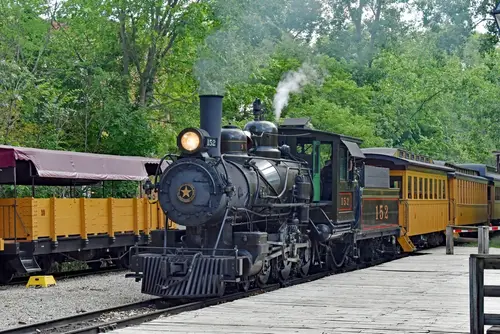
Flint makes the list because General Motors once defined its economic and social life. As plants closed and wages dropped, the city faced compounding crises. The water crisis intensified national attention but didn’t create the hardship from scratch. Flint’s identity was already shaped by industrial loss.
Pride in Flint shows up in mutual aid, local activism, and deep distrust of outsiders’ narratives. Residents emphasize toughness and self-reliance. There’s a strong sense of protecting one another when institutions fail. Staying connected to Flint is often framed as an act of responsibility.
5. Scranton, Pennsylvania
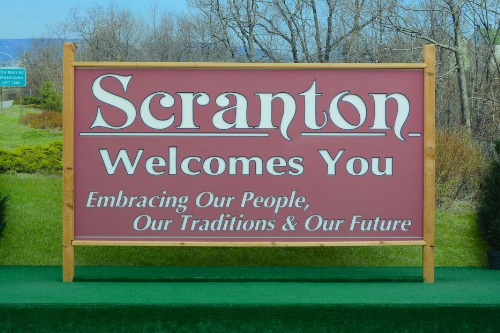
Scranton is here because coal once fueled its economy and identity. When mining jobs disappeared, stable employment followed. What remained was a strong regional culture tied to labor and family. That culture continues to shape how people talk about Scranton.
Local pride comes through in storytelling, humor, and an attachment to place. The city embraces its blue-collar past even as the work faded. Community events and traditions reinforce that shared history. Pride acts as continuity when economic purpose disappears.
6. Beckley, West Virginia
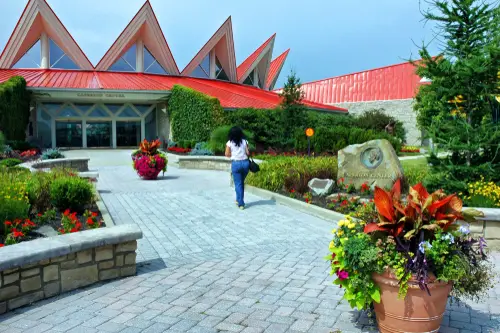
Beckley earns its spot due to its deep ties to coal mining. As coal employment declined, wages and population declined with it. Despite that, mining identity remains central to how residents see themselves. The work is remembered as dangerous, honorable, and defining.
Local pride is closely tied to family history and regional solidarity. Museums and memorials keep mining stories alive. People speak with respect about miners even if they never entered the mines themselves. Pride fills the gap left by vanished opportunity.
7. Camden, New Jersey
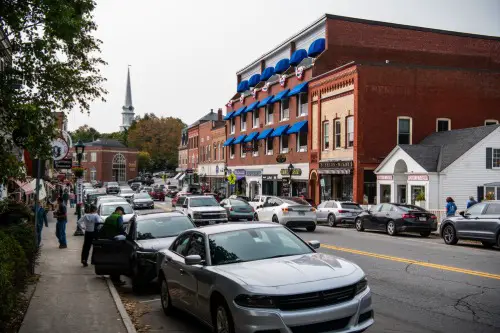
Camden belongs on this list because manufacturing and shipping once anchored its economy. When those jobs left, the city experienced long-term disinvestment and poverty. Yet Camden residents often speak with fierce loyalty. That loyalty exists despite persistent challenges.
Pride shows up in neighborhood ties and local advocacy. Residents push back against narratives that frame Camden only through crime statistics. There’s a strong sense of ownership over the city’s future. Staying engaged is often described as an obligation.
8. East St. Louis, Illinois
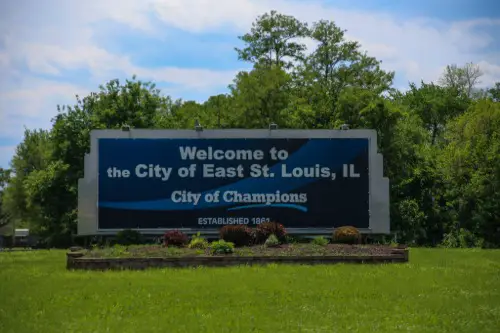
East St. Louis is included because industrial decline stripped away jobs and tax revenue. Manufacturing and rail employment once provided stability. When those industries contracted, the city struggled to recover economically. Its reputation suffered alongside its finances.
Despite this, local pride remains deeply rooted. Residents emphasize cultural contributions, especially in music and activism. There’s a strong narrative of survival and endurance. Pride becomes a way to assert dignity amid neglect.
9. McDowell County, West Virginia
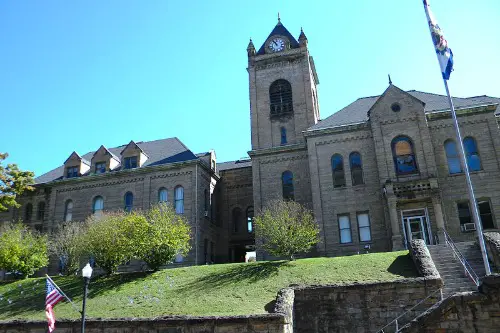
McDowell County makes the list because coal once made it one of the wealthiest counties in the state. As mining declined, wages vanished and population dropped sharply. Entire towns hollowed out. Yet the county’s identity remains tied to its mining past.
Pride is maintained through storytelling and family history. People speak with reverence about ancestors who worked the mines. Community efforts focus on remembrance as much as reinvention. Pride preserves a sense of meaning when opportunity is scarce.
10. Johnstown, Pennsylvania
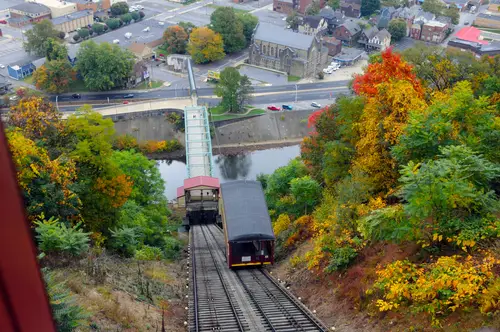
Johnstown earns inclusion because steel once dominated its economy. The decline of steel jobs compounded the city’s long history of disaster and rebuilding. Economic recovery never fully replaced lost wages. Still, Johnstown maintains a strong sense of self.
Local pride centers on endurance and survival. Residents often reference floods as symbols of resilience rather than tragedy alone. Community events reinforce shared history. Pride is framed as proof that the city persists.
11. Pine Bluff, Arkansas
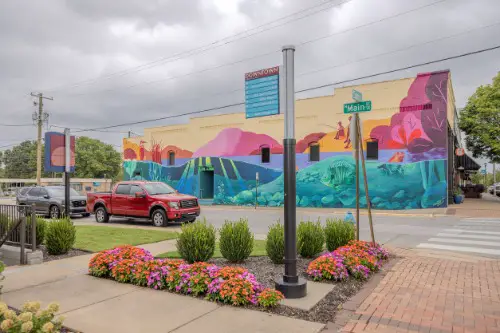
Pine Bluff is on the list because manufacturing and agricultural processing once provided steady work. As those industries declined, wages stagnated and jobs disappeared. Economic challenges deepened over time. Yet local attachment remains strong.
Pride shows up in regional identity and cultural continuity. Residents emphasize family roots and community ties. There’s a strong sense of defending the town’s reputation. Pride becomes a reason to stay engaged when opportunity narrows.
This post Where Local Pride Outlived Local Paychecks was first published on American Charm.