
1. Santa Fe, New Mexico

Art lovers and history buffs often gravitate toward Santa Fe. The city’s distinctive adobe architecture and institutions like Georgia O’Keeffe Museum create a culturally rich environment. Its high desert climate offers four seasons with relatively mild winters. There’s also a strong community of retirees and artists.
Santa Fe’s limited housing supply has driven prices up, especially in centrally located neighborhoods. New Mexico does tax many forms of retirement income, although recent changes have expanded certain exemptions. Healthcare options are solid locally but more specialized care may require travel to Albuquerque. Santa Fe blends culture and scenery, but affordability can be a challenge.
2. Scottsdale, Arizona

If golf courses and desert sunsets top your retirement wish list, Scottsdale probably already has your attention. Known for its master-planned communities and proximity to world-class resorts like The Phoenician, it offers an active, outdoor-oriented lifestyle. The dry climate is especially appealing to people seeking relief from harsh winters or certain health conditions. Add in abundant spas, hiking trails, and arts festivals, and it’s easy to see the draw.
The tradeoff is cost, particularly when it comes to housing in desirable neighborhoods. Median home prices are well above the national average, and HOA fees are common in many retirement communities. Arizona’s tax structure is generally moderate, but overall living expenses in Scottsdale trend higher than in other parts of the state. For retirees who want sunshine without sacrificing amenities, it’s appealing—but rarely inexpensive.
3. San Diego, California

Few places rival the near-perfect weather of San Diego. With miles of coastline, access to parks like Balboa Park, and a laid-back coastal culture, it consistently ranks as one of America’s most desirable cities. The region also offers excellent healthcare networks and specialty care options. For retirees who prioritize climate and outdoor living, it checks nearly every box.
However, California’s high housing costs are fully on display here. Home prices and rents are among the highest in the country, and property taxes, while limited by Proposition 13, are tied to assessed value at purchase. The state also taxes most forms of retirement income except Social Security. In San Diego, lifestyle quality is extraordinary—but so is the price tag.
4. Asheville, North Carolina

Tucked into the Blue Ridge Mountains, Asheville has become a magnet for retirees who want scenery and culture in equal measure. The city is known for its vibrant arts scene and landmarks like Biltmore Estate, which draws visitors year-round. Mild four-season weather and access to hiking along the Blue Ridge Parkway add to its appeal. There’s a small-city feel here that many people find welcoming.
That popularity has pushed housing prices up sharply over the past decade. While North Carolina has a flat state income tax, rising home values and limited housing inventory have strained affordability. Healthcare access is solid for a city its size, but specialized care may require travel to larger metros. Asheville offers charm and mountain beauty, but it’s no longer the bargain it once was.
5. Naples, Florida
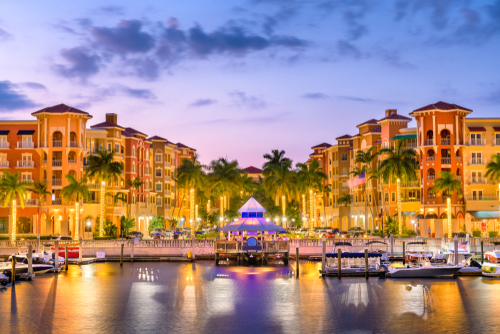
For retirees seeking a polished coastal lifestyle, Naples often tops the list. Known for its white-sand beaches and upscale shopping districts like Fifth Avenue South, it has long attracted affluent residents. Florida’s lack of state income tax adds to the financial appeal on paper. The area also boasts high-quality healthcare facilities and a strong retiree community.
The catch is that Naples consistently ranks among the most expensive housing markets in Florida. Home prices, property insurance, and homeowners association fees can be substantial. Everyday expenses, from dining to home maintenance, tend to reflect the area’s upscale profile. It’s an idyllic setting, but one that demands a well-padded retirement budget.
6. Boulder, Colorado

Active retirees who love the outdoors are often drawn to Boulder. With easy access to trails and natural landmarks like Chautauqua Park, it’s a haven for hiking, cycling, and lifelong fitness. The city also has a strong cultural and educational presence thanks to the nearby University of Colorado. Clean air and scenic mountain views are part of daily life here.
Boulder’s desirability has driven home prices far above national averages. Property taxes in Colorado are relatively low compared to some states, but high valuations still translate into significant bills. The overall cost of goods and services also trends higher than in much of the region. For retirees who prioritize wellness and scenery, Boulder delivers—but at a premium.
7. Charleston, South Carolina
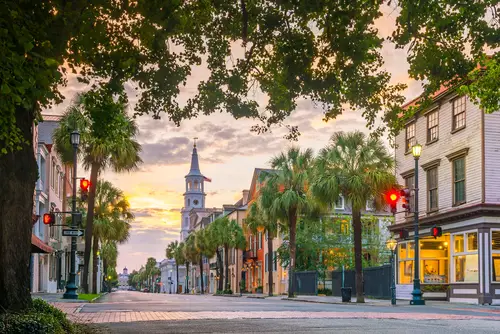
Cobblestone streets and historic homes give Charleston undeniable charm. The city’s rich history is on display at sites like Fort Sumter, and the culinary scene has earned national recognition. Mild winters make it appealing for those leaving colder climates. There’s a strong sense of community, especially in established neighborhoods.
Yet Charleston’s rising popularity has fueled steady increases in home prices. Coastal property insurance and flood risk can add significant costs for homeowners. South Carolina does offer some retirement income exclusions, which can help offset expenses. Still, the balance between historic ambiance and modern affordability is becoming more delicate each year.
8. Austin, Texas

Retirees looking for energy and culture often consider Austin. Live music venues, events like South by Southwest, and a thriving food scene create a lively atmosphere. Texas has no state income tax, which can be appealing for those drawing from pensions or investments. Access to healthcare and a major airport also adds convenience.
However, Texas relies heavily on property taxes, and rates in the Austin area are among the highest in the state. Rapid population growth has pushed housing costs up dramatically over the past decade. Utility costs, especially during hot summers, can also be significant. Austin offers vibrancy and opportunity, but it’s no longer the low-cost Texas haven it once was.
9. Portland, Maine

For retirees who love the ocean but prefer four seasons, Portland has strong appeal. Its working waterfront and attractions like Portland Head Light provide classic New England charm. The city has a thriving food scene and a walkable downtown. Cooler summers can be a welcome change for those leaving hotter climates.
The tradeoff comes in the form of higher heating costs during long winters. Maine also taxes most retirement income, including pensions, though there are some deductions. Housing prices in Portland have climbed as demand has grown. The lifestyle is picturesque, but the cost of staying warm and well-housed can be significant.
10. Miami, Florida

There’s a reason so many retirees dream about waking up in Miami. Warm winters, ocean views, and a vibrant cultural scene anchored by institutions like Pérez Art Museum Miami make it feel like a permanent vacation. The city also has no state income tax, which can be appealing for people living on retirement income. But that sunny lifestyle comes with a hefty housing market and rising insurance premiums.
Home prices and condo fees have climbed significantly in recent years, and property insurance in coastal South Florida is among the highest in the country. Even everyday costs like dining and groceries tend to run above the national average. Healthcare access is strong, with major systems and specialists nearby, but out-of-pocket costs can still add up. Miami is a classic example of a place where climate and culture compete directly with affordability.
11. Seattle, Washington

For retirees who enjoy urban amenities paired with natural beauty, Seattle is compelling. Surrounded by water and mountains and home to landmarks like Space Needle, it offers a dynamic environment. Washington State has no income tax, which can benefit retirees with investment income. The city also has access to renowned healthcare institutions.
Housing costs, however, rank among the highest in the nation. Property taxes and everyday expenses, from groceries to services, trend above national averages. The region’s cloudy winters can also be a lifestyle adjustment for some. Seattle shows how natural beauty and tax advantages can still collide with big-city prices in later life.
This post Where Lifestyle and Cost Collide in Later Life was first published on American Charm.

