1. A Labor Market That Still Has a Pulse
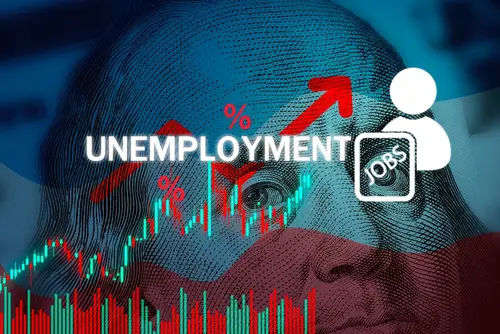
The U.S. job market remains one of the clearest signals of stability right now. Employment has stayed relatively high even as growth cooled, which matters because steady paychecks anchor everything else. People may be switching jobs less than they did a few years ago, but they’re still working. That consistency reduces panic and keeps consumer spending predictable.
This belongs on the list because employment is usually the first thing to crack in real instability. Layoffs have been uneven and sector-specific rather than economy-wide. Wage growth has slowed but not collapsed, which helps households plan. In plain terms, most people who want a job can still find one.
2. Inflation That’s No Longer Running the Show
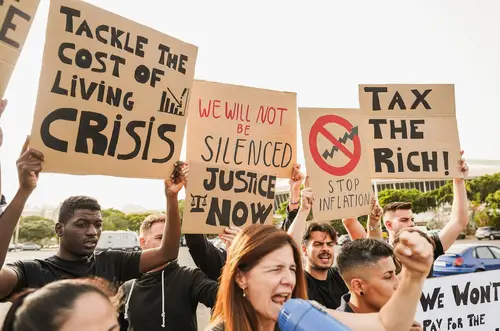
Prices are still higher than they were pre-pandemic, but inflation is no longer accelerating the way it once was. That shift alone brings psychological relief to households and businesses. When prices stabilize, people can budget without feeling constantly behind. Even modest predictability counts as stability right now.
This matters because inflation chaos erodes trust faster than almost anything else. Slower price increases give policymakers room to maneuver instead of constantly reacting. Businesses can set prices and wages with less fear of being wrong next month. Stability here doesn’t mean cheap, but it does mean calmer.
3. A Financial System Built to Absorb Shocks
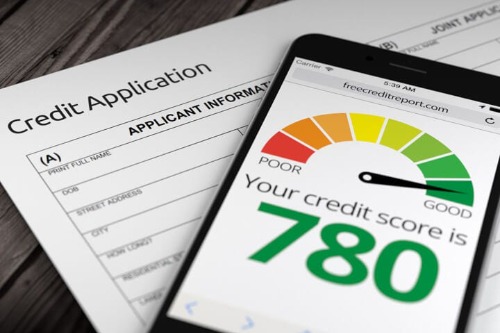
U.S. banks are far better capitalized than they were before the 2008 crisis. Stress tests and higher reserve requirements mean fewer surprises when markets wobble. Even when individual banks fail, the system absorbs it without widespread contagion. That’s a quiet but important form of stability.
This earns inclusion because financial panic spreads fast when safeguards are weak. Depositors still trust that their money is accessible. Credit hasn’t frozen across the economy, even during periods of uncertainty. The system bends, but it hasn’t broken.
4. The Dollar Still Doing Its Job
The U.S. dollar remains the world’s primary reserve currency. That status cushions the country during global turbulence. It keeps borrowing costs lower than they would otherwise be and supports steady demand for U.S. debt. Even critics of U.S. policy still rely on the dollar’s stability.
This matters because reserve currency status is a form of economic gravity. It attracts investment even when domestic politics are messy. The dollar’s role helps prevent sudden capital flight. Stability here is global confidence showing up at home.
5. Energy Production That Reduces External Shocks
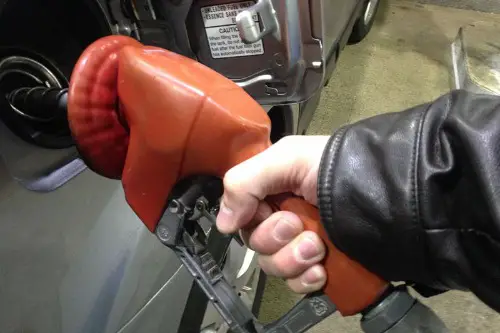
The U.S. remains one of the world’s top energy producers. Domestic oil and gas production reduces vulnerability to foreign supply disruptions. Energy prices still fluctuate, but shortages are less likely. That reliability feeds directly into economic stability.
This is included because energy insecurity fuels inflation and political unrest. Being energy-rich gives the U.S. more control over its economic destiny. It also stabilizes supply chains tied to transportation and manufacturing. Energy abundance doesn’t solve everything, but it removes a major risk.
6. Infrastructure Spending That’s Actually Happening
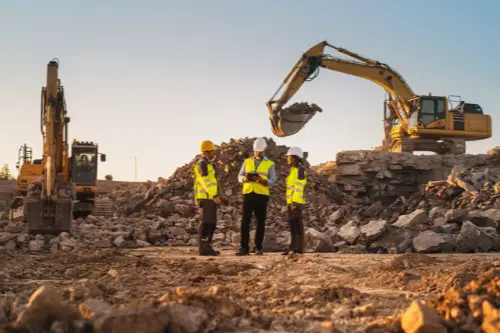
Large-scale infrastructure investment is no longer just theoretical. Roads, bridges, ports, and broadband projects are underway across many states. These projects create jobs while improving long-term productivity. That combination supports both present and future stability.
This belongs here because infrastructure spending smooths economic cycles. It injects money into local economies without relying on consumer debt. The benefits are tangible and slow-moving, which is exactly what stability looks like. You can’t panic-build a bridge, and that’s the point.
7. State and Local Governments on Firmer Footing
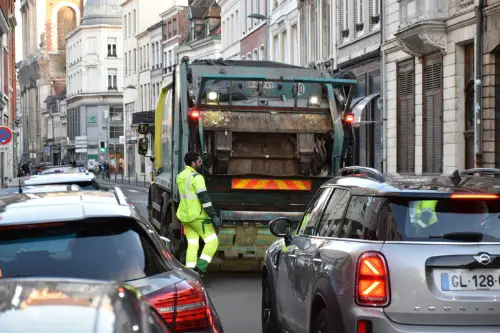
Many state and local governments rebuilt reserves after the pandemic. Balanced budgets and rainy-day funds are more common than during past downturns. That gives them flexibility when revenues dip. It also reduces the need for sudden tax hikes or service cuts.
This matters because instability often starts locally. When cities and states are solvent, daily life feels normal. Schools stay open, trash gets collected, and transit runs. Those basics quietly reinforce national stability.
8. Consumers Who Are Still Spending, Carefully
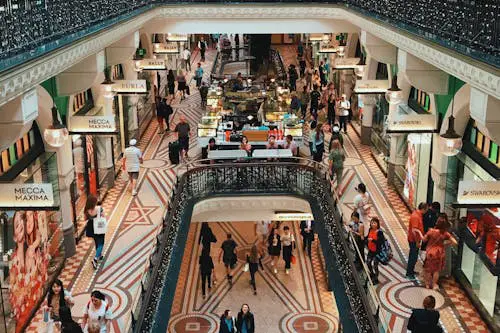
U.S. consumers haven’t stopped spending, but they’ve become more selective. That shift reflects adjustment rather than collapse. People are prioritizing essentials and experiences differently, not retreating entirely. The economy continues to move because of that recalibration.
This is important because consumer spending drives a large share of U.S. economic activity. A slowdown without a freeze is a sign of adaptation. Credit use has risen, but not at crisis levels. Stability here looks like caution, not fear.
9. Supply Chains That Are Less Fragile Than Before
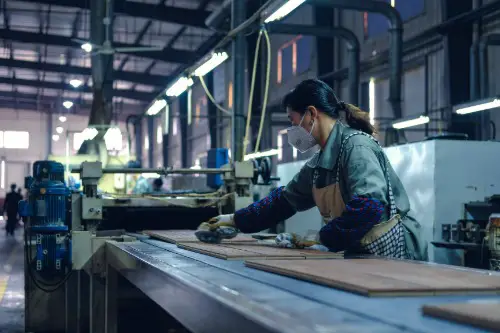
Supply chains are far more functional than they were during the pandemic. Shipping delays have eased, inventories are more balanced, and diversification has improved. Companies learned hard lessons and made structural changes. That resilience reduces the risk of sudden shortages.
This earns a spot because disruptions ripple quickly through prices and availability. More redundancy means fewer surprises. Businesses can plan production with greater confidence. Stability here shows up as boring shelves that stay stocked.
10. Institutions That Keep Operating Despite Tension
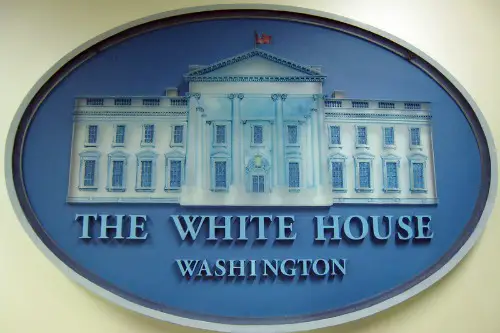
U.S. political institutions remain noisy, but they continue to function. Elections are held, courts operate, and agencies enforce rules. The system absorbs conflict rather than collapsing under it. That continuity matters more than consensus.
This belongs on the list because institutional breakdown is a real marker of instability. Disagreements haven’t stopped the machinery of government. Policies change, but processes persist. Stability sometimes looks like arguing loudly and still showing up to work.
11. A Public That Has Adjusted Expectations
Americans have recalibrated what “normal” feels like. That adjustment reduces shock when conditions aren’t perfect. People are less reactive to headlines than they were during peak crisis years. Emotional normalization is an underrated stabilizer.
This is included because confidence isn’t just economic data. When people expect volatility, they prepare instead of panic. That mindset smooths collective behavior. Stability, right now, partly lives in that psychological shift.
This post What Stability Means in the U.S. Right Now was first published on American Charm.