
1. San Francisco, California
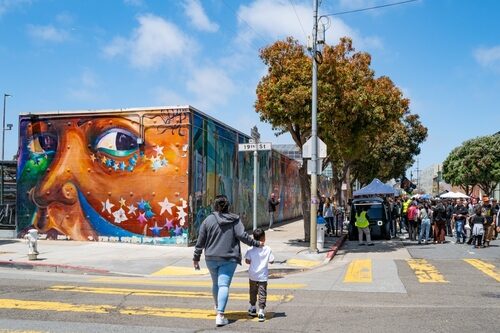
San Francisco’s skyline and tech industry dominate conversations about change. The city’s iconic neighborhoods like the Mission District and Haight-Ashbury have experienced massive gentrification. Local coffee shops and dive bars that once defined the city have been replaced by tech offices or upscale chains. Residents often feel the city’s soul has shifted toward a more corporate identity.
Homelessness and cost of living are frequently cited as major differences. Streets that used to feel vibrant now have more visible social challenges. Public transportation and city planning have changed in ways that impact day-to-day life. People say it “isn’t the same” because the city’s old mix of artists, students, and eccentric residents is harder to find.
2. New York City, New York
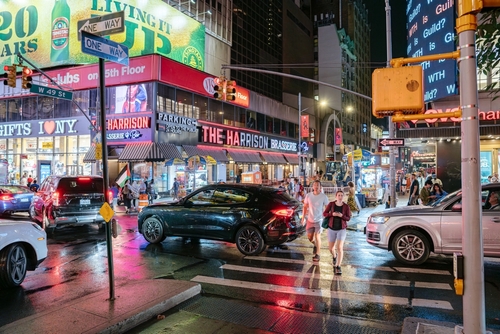
When people say New York City “isn’t the same,” they often mean it in terms of energy and pace. The streets that once felt packed with tourists and street performers now have noticeable gaps, and some neighborhoods have fewer mom-and-pop shops than they used to. High rents and commercial shifts have changed the character of areas like SoHo and the Lower East Side. Locals might tell you that parts of the city feel more corporate than creative these days.
Even the cultural hotspots have evolved. Broadway has bounced back, but ticket prices and commercialization make it feel less accessible. Street art and underground music scenes still exist, but they aren’t as omnipresent as they were in the early 2000s. For many, it’s not that the city lost its spark—it just looks a little different depending on where you walk.
3. Detroit, Michigan
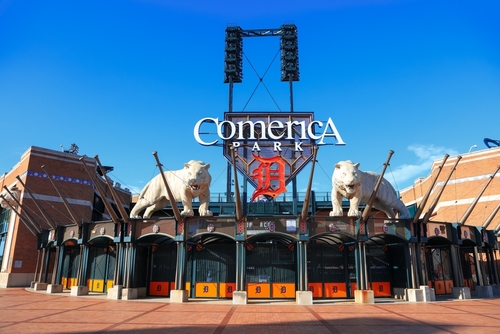
Detroit is often mentioned when talking about transformation after economic collapse. Once known for the automotive industry, many neighborhoods experienced decades of population decline. However, in recent years, there has been a notable resurgence with new businesses and cultural spaces popping up. People who grew up in the city sometimes feel the revival doesn’t fully match the Detroit they remember.
The city’s music and art scenes remain a cornerstone of identity. Jazz and Motown heritage still define its cultural footprint. Yet, newer developments in downtown and midtown have brought a different vibe. For some, Detroit “isn’t the same” because the balance between its historic roots and modern growth creates a new city rhythm.
4. New Orleans, Louisiana
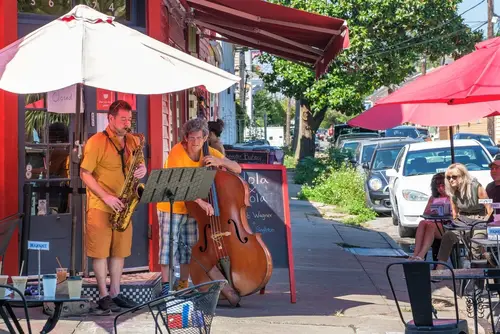
After Hurricane Katrina, New Orleans became a frequent example of change. Neighborhoods like the Lower Ninth Ward experienced devastating losses, and rebuilding has shifted the city’s population dynamics. Tourists notice differences in both architecture and the local music scene. Long-time residents often say the city has regained its pulse but in a different key.
Food culture also illustrates the change. Some iconic restaurants and bakeries never reopened, and new spots sometimes feel less traditional. Mardi Gras remains spectacular, but gentrification has altered some neighborhoods’ feel. For many, New Orleans “isn’t the same” because it’s both recovered and reimagined.
5. Miami, Florida
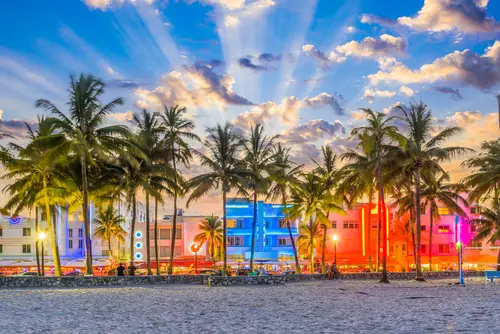
Miami has long been a hub for Latin American culture and nightlife, but the city keeps evolving rapidly. The influx of international investors and residents has changed real estate prices, especially in neighborhoods like Wynwood and Little Havana. Once-hidden gems are now trendy spots with long lines and higher prices. Locals sometimes feel that the authentic Miami experience is harder to find.
Environmental factors also play a role. Rising sea levels and climate challenges have altered waterfront areas. Public spaces, like beaches and parks, have been redeveloped in ways that feel different than before. Even the vibe of nightlife has shifted, leaning more into high-end clubs than community gatherings.
6. Los Angeles, California
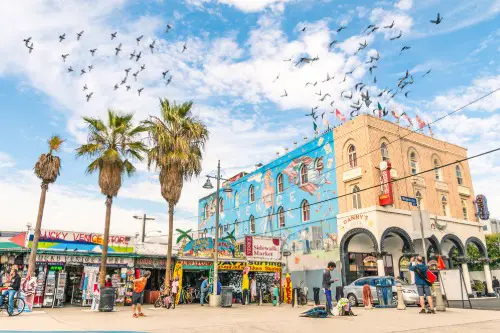
Los Angeles is notorious for its sprawling neighborhoods, but that sprawl has changed in tone over time. Areas like Hollywood and Venice have experienced dramatic gentrification. Film studios and celebrities are still part of the culture, but long-time residents often feel local creativity is overshadowed by commercialization. Traffic patterns and urban development have also reshaped the city’s daily rhythm.
The arts and food scenes tell a similar story. Small theaters, dive bars, and hole-in-the-wall restaurants have been replaced by large chains and luxury spots. Yet, pockets of authentic LA culture remain in places like Silver Lake and Echo Park. Saying LA “isn’t the same” usually reflects the feeling that old neighborhood personalities are harder to encounter.
7. Chicago, Illinois
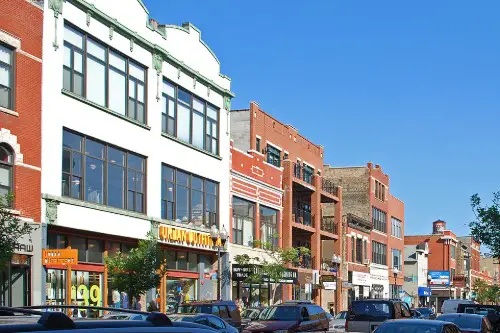
Chicago’s neighborhoods have gone through demographic and economic shifts that change how people experience the city. Areas like Wicker Park and Logan Square have gentrified, leading to new businesses and rising rents. Iconic local diners and music venues have sometimes closed, replaced by upscale alternatives. Long-time residents may feel the city’s cultural DNA has subtly shifted.
Public safety and city planning also contribute to the perception. Crime rates and policing changes alter daily routines. Transportation projects and new development reshape how people navigate the city. For many, Chicago “isn’t the same” because the balance between historic charm and modernization feels different than before.
8. Boston, Massachusetts
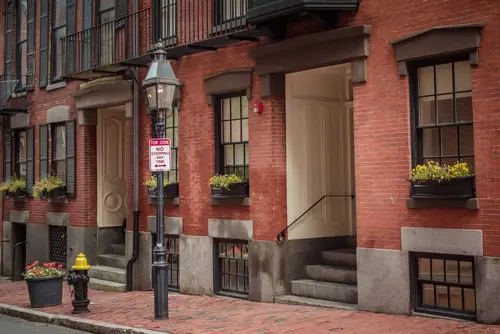
Boston is steeped in history, but its neighborhoods have been evolving for decades. Areas like Cambridge and the Seaport District have become high-tech hubs. Historic streets still exist, but the mix of students, tourists, and tech professionals has created a different social fabric. People often notice the blend of old charm with modern influence feels less uniform than it once did.
The housing market plays a role too. Skyrocketing rents push long-time residents to suburbs, which changes local communities. Even traditional cultural events like street festivals or neighborhood gatherings have adapted to new populations. Boston “isn’t the same” because the city is balancing history with rapid modernization.
9. Seattle, Washington
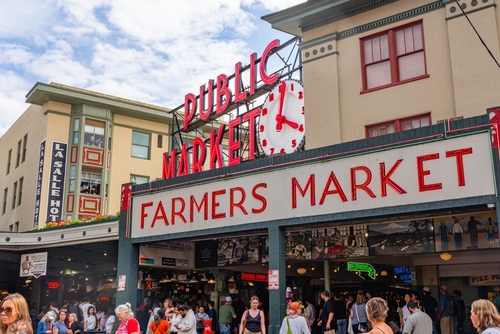
Seattle has always been a mix of tech, coffee culture, and natural beauty, but it’s transformed rapidly in the last two decades. Neighborhoods like Capitol Hill and Ballard have experienced gentrification and changing demographics. Long-time residents notice fewer small shops and more chain stores or luxury apartments. The influx of tech workers has shifted the city’s vibe toward a corporate feel in some areas.
Public spaces and lifestyle also reflect change. Waterfront parks, hiking trails, and Pike Place Market have remained attractions, but daily experiences of locals have shifted. Rising costs and urban development alter where people eat, socialize, and live. Saying Seattle “isn’t the same” often captures the tension between the old counterculture roots and booming tech influence.
10. Portland, Oregon
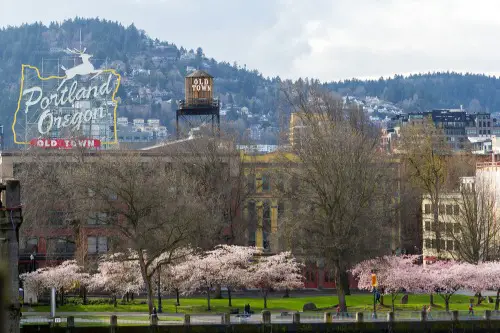
Portland’s reputation as a quirky, indie city has been challenged in recent years. Rising rents and social unrest have changed the atmosphere in neighborhoods like the Pearl District. Local coffee shops and artisan markets have shifted or disappeared entirely. Residents notice a mix of the city’s original counterculture and new influences from incoming professionals.
The city’s public spaces have also evolved. Parks, bike lanes, and public markets remain staples, but gentrification and commercial development have altered their feel. Festivals and community events now reflect a mix of old and new populations. People say Portland “isn’t the same” because the eccentric charm coexists with rapid urban change.
11. Philadelphia, Pennsylvania
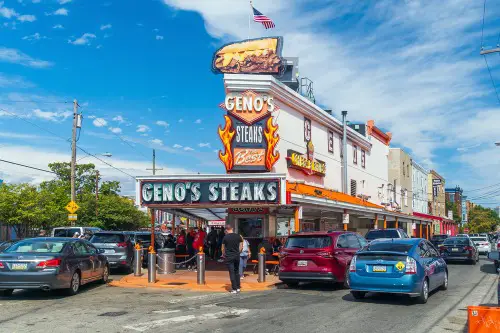
Philadelphia is a city rich in history, but neighborhoods have transformed with time. Fishtown and Northern Liberties have gone from industrial and working-class to hip and expensive. Local corner stores and dive bars are fewer, replaced by trendy cafes and breweries. Residents sometimes feel the city’s historical grit has been smoothed over by modern development.
Cultural identity continues to evolve. Sports, food, and arts remain central, but the ways people experience them are different. Murals and street art reflect both old community stories and new urban trends. For many Philadelphians, the city “isn’t the same” because the mix of tradition and modern lifestyle creates a new dynamic.
12. Austin, Texas
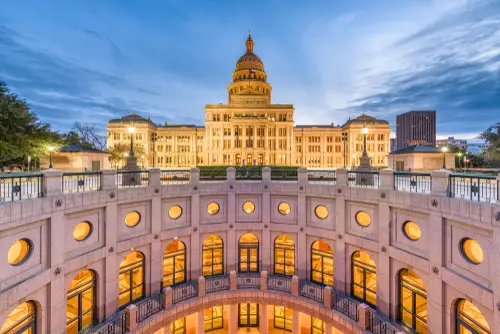
Austin has grown exponentially as a tech and music hub, which changes what longtime residents experience. South Congress and East Austin, once home to local boutiques and independent music venues, now host upscale restaurants and luxury apartments. The cost of living has increased sharply, making it harder for original residents to stay in their neighborhoods. People notice the city’s quirky, laid-back reputation has been influenced by growth.
Music and culture remain central to Austin’s identity. Festivals like SXSW still draw crowds, but the city feels busier and more commercialized. Outdoor spaces and nightlife reflect the influx of newcomers alongside longtime locals. Saying Austin “isn’t the same” usually points to the tension between its historic character and rapid expansion.
This post What People Mean When They Say These Places “Aren’t the Same” was first published on American Charm.

