
1. Walkable Street Grids That Make Everyday Life Easier
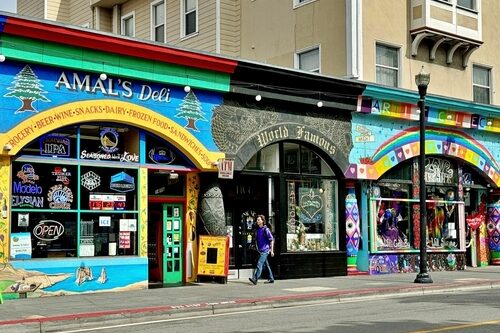
Many older American neighborhoods were built on connected street grids rather than looping cul-de-sacs. That layout makes it easy to walk to stores, schools, parks, and transit stops without long detours. Daily errands become part of a pleasant routine instead of a car-only chore. The design naturally supports foot traffic and neighborhood interaction.
Short blocks also spread traffic more evenly and make navigation intuitive. You can take multiple routes home instead of funneling onto one busy road. Local businesses benefit from steady visibility and passing pedestrians. It’s infrastructure that quietly encourages community life.
2. Corner Stores and Main Streets Within Reach
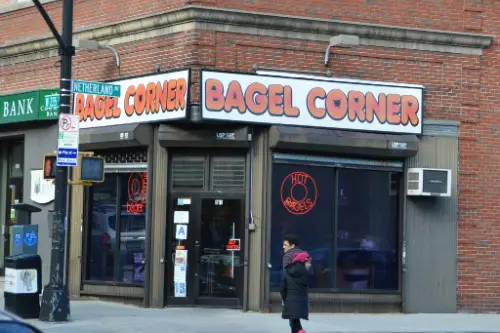
Older neighborhoods were designed around small commercial corridors woven into residential areas. Corner groceries, pharmacies, cafés, and hardware stores were placed within a short walk. Residents didn’t need to drive miles for basic necessities. That convenience made neighborhoods feel self-sufficient.
Main Streets also created natural gathering places. People ran into neighbors while shopping or grabbing coffee. Local businesses reflected community tastes rather than national templates. The result was both practical and personal.
3. Homes With Distinct Architectural Character
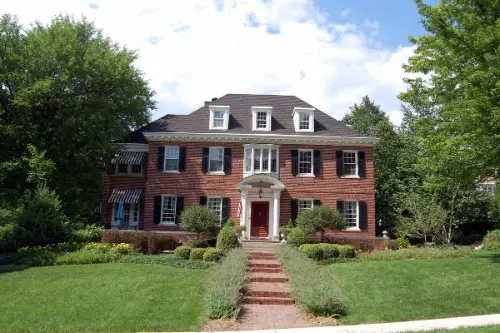
Pre-war neighborhoods often feature homes built in varied architectural styles. Craftsman bungalows sit near Colonials, Tudors, Victorians, and mid-century designs. Builders emphasized detail, materials, and individuality. Streets feel visually interesting because houses don’t look identical.
Modern developments often prioritize speed and uniformity. Repeated floor plans and façades can make entire blocks blend together. Older homes tell stories through design choices and craftsmanship. That character gives neighborhoods a sense of identity.
4. Mature Trees That Shape the Streetscape
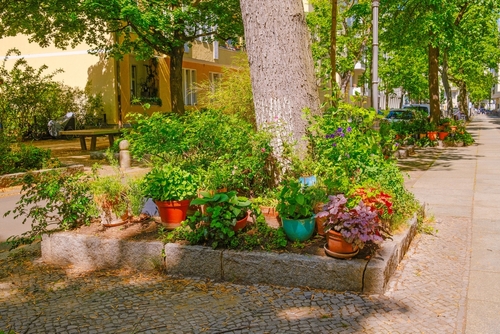
Older neighborhoods had decades for trees to grow tall and form leafy canopies. Those trees cool sidewalks, reduce heat, and soften city noise. Shade makes walking more comfortable during hot months. The visual effect turns streets into welcoming public spaces.
Tree-lined blocks also improve air quality and stormwater absorption. Wildlife habitats emerge naturally over time. New developments plant trees, but it takes generations to match that presence. Mature greenery changes how a place feels day to day.
5. Front Porches That Encourage Social Life
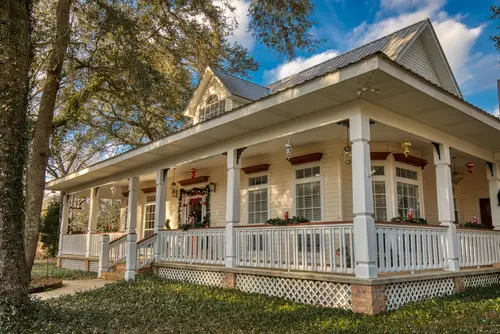
Front porches were common design features in early American housing. They created a comfortable space between private homes and public sidewalks. People sat outside in the evenings and greeted passersby. Casual conversations became part of daily life.
Modern homes often shift outdoor space to backyards or garages. That reduces spontaneous neighborly interaction. Porches act like informal community living rooms. Their absence changes how people connect.
6. Mixed Housing Types on the Same Block
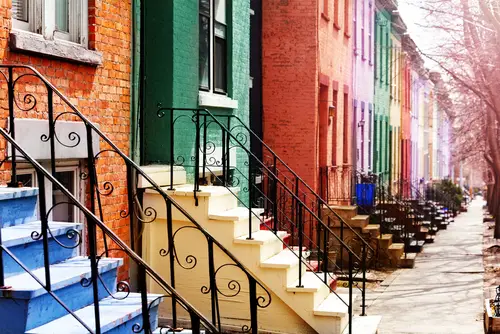
Older neighborhoods frequently blend single-family homes, duplexes, and small apartment buildings. That mix supports people at different life stages and income levels. Young adults, families, and retirees can live close to each other. It encourages long-term community stability.
Modern zoning often separates housing by type and price. Large developments may focus on one category at a time. That separation can limit diversity and flexibility. Mixed housing keeps neighborhoods adaptable.
7. Transit Access Built Into the Layout
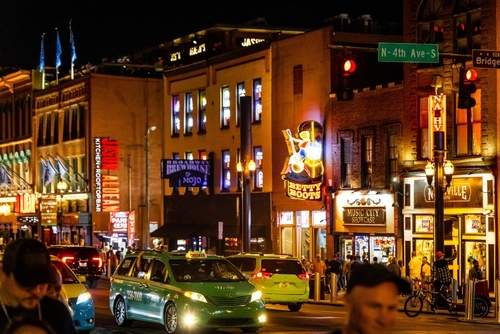
Streetcar suburbs and early city expansions were designed around transit lines. Homes were built within walking distance of stations and stops. Residents could commute without relying entirely on cars. Public transportation was part of the original plan.
Modern suburbs often add transit later, if at all. Wide roads and spread-out zoning make service less efficient. Older layouts still support bus and rail access today. That foresight continues to pay off.
8. Human-Scale Streets That Feel Comfortable
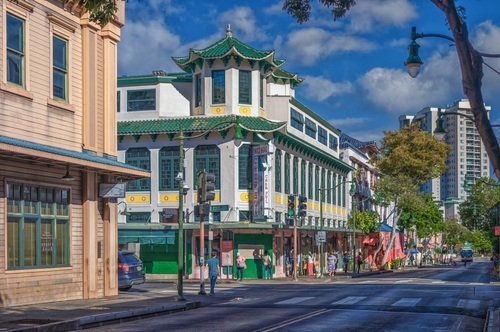
Older streets were built narrower because they served pedestrians, horses, and slower vehicles. That scale naturally calms traffic and shortens crossing distances. Sidewalks feel safer and more inviting. The street becomes a shared public space.
Many modern roads prioritize vehicle speed and volume. Wide lanes and large intersections can discourage walking. Human-scale design makes neighborhoods feel livable rather than engineered. Comfort affects how often people go outside.
9. Local Schools as Community Anchors
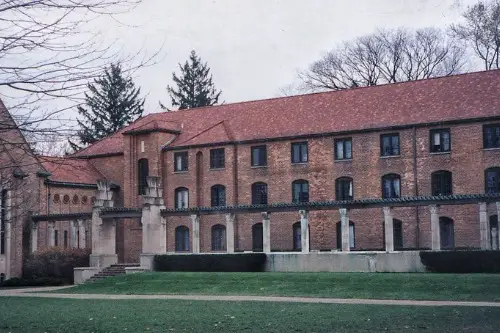
Neighborhood schools were often placed within walking distance of homes. Children could walk together and parents stayed closely connected. School buildings doubled as meeting halls and event spaces. They became social centers beyond education.
Consolidated modern schools are frequently farther away. Large campuses require bus routes and long drives. That distance weakens everyday neighborhood ties. Local schools once reinforced community identity.
10. Durable Materials That Age Gracefully
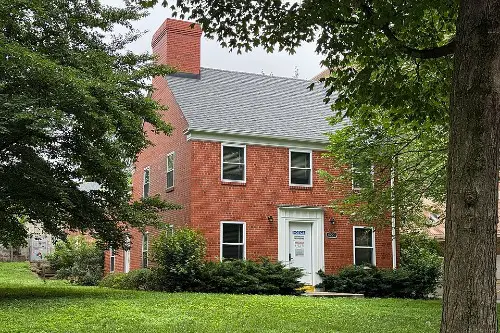
Older homes often used brick, stone, and old-growth lumber. These materials were chosen for longevity and availability. Many structures have lasted a century with proper maintenance. Wear over time can add character instead of looking worn out.
Modern construction often favors cost efficiency and speed. Some materials require replacement sooner. Visual aging can appear as deterioration rather than patina. Durability changes long-term neighborhood quality.
11. Parks and Public Spaces Woven Into Daily Routes
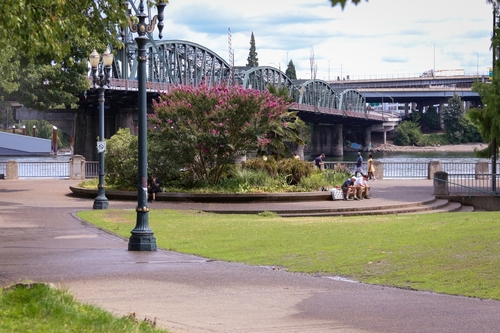
Planners frequently included small parks, squares, and greens within walking distance. These weren’t destination mega-parks but everyday breathing spaces. Kids played there after school and adults relaxed on benches. Green space felt integrated into normal routines.
Modern developments may cluster recreation in large centralized complexes. Reaching them often requires driving. Smaller distributed spaces encourage spontaneous use. Frequent access helps public areas feel truly shared.
This post What Older Neighborhoods Get Right That Modern Developments Miss was first published on American Charm.

