
1. New York City — When Global Demand Pushes Locals Out
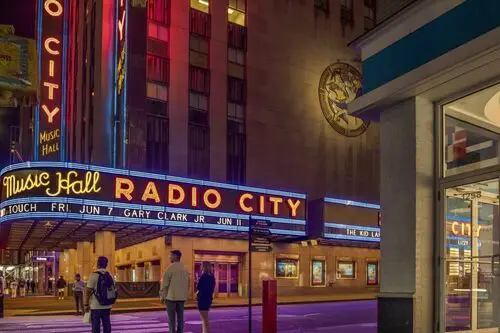
New York’s global appeal creates constant pressure on housing. International investors, domestic transplants, and short-term rentals all compete for a fixed supply of apartments. This competition pushes rents higher across boroughs that were once considered affordable. For longtime residents, remaining in the city often feels financially unsustainable.
That churn reshapes daily life beyond housing. Independent businesses struggle to survive as commercial rents climb. Public transit and city services operate under relentless demand. Popularity keeps New York economically powerful, but it erodes stability at the neighborhood level.
2. San Francisco — Tech Wealth Meets Severe Scarcity
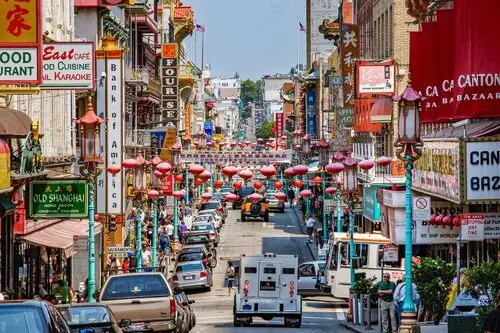
San Francisco’s popularity as a tech hub drew enormous wealth and rapid job growth. Housing construction failed to keep pace with that demand for decades. As a result, rents and home prices reached some of the highest levels in the country. Even high earners often feel priced out of stable housing.
The imbalance affects the entire city ecosystem. Service workers essential to daily life commute from far outside the city. Visible homelessness reflects broader housing scarcity rather than a single cause. Popularity didn’t create every problem, but it intensified them all.
3. Austin — Growth Faster Than the City Can Absorb
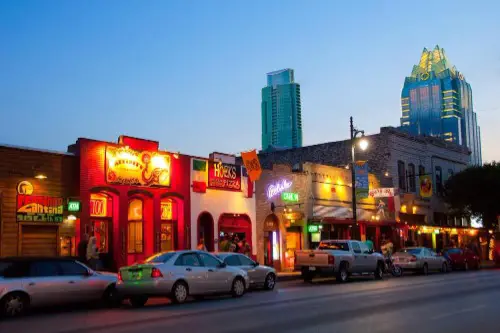
Austin’s reputation for culture, tech jobs, and quality of life attracted a massive influx of newcomers. The population grew faster than housing and infrastructure planning anticipated. Home prices and rents rose sharply in a short period of time. Longtime residents felt the change almost overnight.
Infrastructure strain became unavoidable. Traffic congestion increased on roads not designed for current volumes. Utilities and public services are tested during heat waves and peak seasons. Austin remains desirable, but its growth now feels more stressful than exciting.
4. Nashville — Tourism Reshaping Neighborhood Life
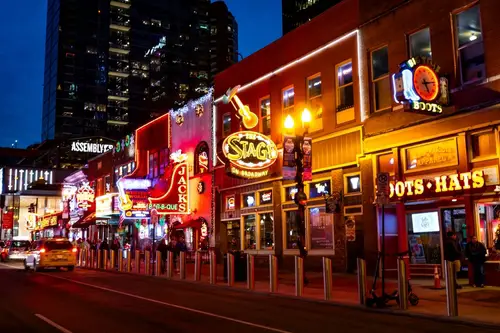
Nashville’s music identity turned it into a national tourism destination. Short-term rentals and entertainment-focused development followed quickly. Entire neighborhoods shifted away from residential use. Locals increasingly feel displaced from their own city center.
Housing availability declined as investment properties expanded. Prices rose faster than local wages in many areas. Community institutions struggle to coexist with party-driven tourism. Popularity brings money, but it dilutes neighborhood continuity.
5. Denver — Outdoor Appeal Driving Urban Pressure
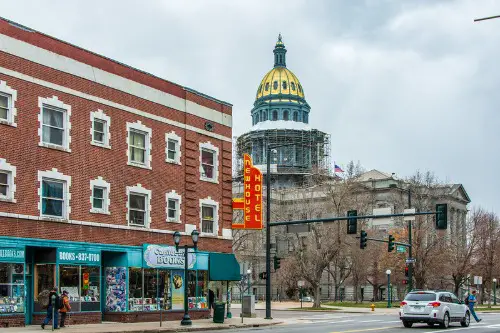
Denver’s proximity to the mountains made it a magnet for new residents. Job growth and lifestyle branding reinforced that appeal. Housing demand quickly outpaced supply. Prices climbed while sprawl expanded outward.
Transportation challenges followed population growth. Commutes lengthened and weekend traffic intensified. Air quality suffers during congestion-heavy periods. The lifestyle remains appealing, but access to it feels increasingly constrained.
6. Seattle — Tech Expansion Straining Affordability
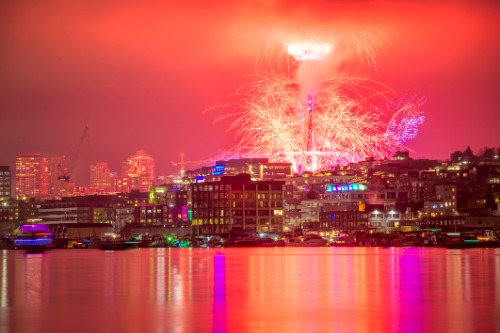
Seattle’s popularity surged alongside its tech economy. High-paying jobs attracted workers from across the country. Housing supply lagged behind sustained demand. Rents and home prices climbed accordingly.
That pressure affects who can remain in the city. Many workers essential to local services live far from their jobs. Public debate increasingly centers on zoning and density. Popularity keeps Seattle prosperous but deeply divided over growth.
7. Los Angeles — Fame, Sprawl, and Housing Gridlock
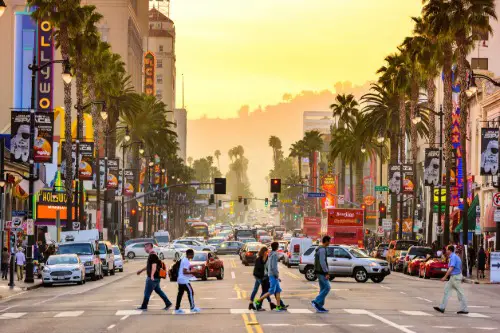
Los Angeles has long attracted people chasing opportunity and lifestyle. Entertainment, tech, and climate continue to draw newcomers. Housing construction has not matched population growth. Prices rose while availability tightened.
Sprawl complicates nearly every solution. Long commutes are normalized across income levels. Infrastructure struggles to adapt to density and distance simultaneously. Popularity keeps Los Angeles dynamic but chronically strained.
8. Miami — Climate and Capital Colliding
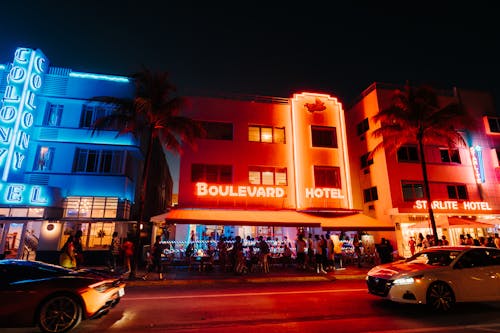
Miami’s popularity surged with remote work and global investment. New residents arrived faster than housing could adjust. Prices spiked sharply in a short period. Longtime renters faced sudden displacement.
Climate adds another layer of pressure. Insurance costs and flood risks complicate development. Infrastructure investments struggle to keep pace. Popularity amplifies both opportunity and vulnerability.
9. Portland — Growth Testing Civic Trust
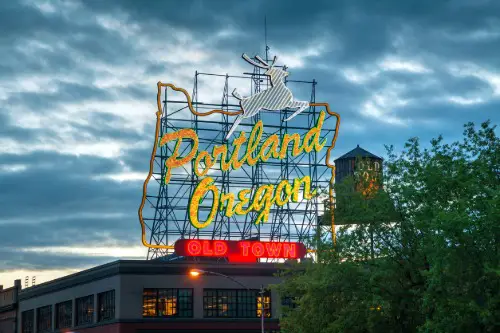
Portland’s reputation for livability attracted steady migration. Growth collided with limited housing production. Rents rose as availability shrank. Many residents felt the city changed too quickly.
Public frustration followed visible strain. Homelessness became more apparent and politically charged. Infrastructure upgrades lagged behind need. Popularity strained Portland’s sense of cohesion.
10. Phoenix — Affordability Advantage Disappearing
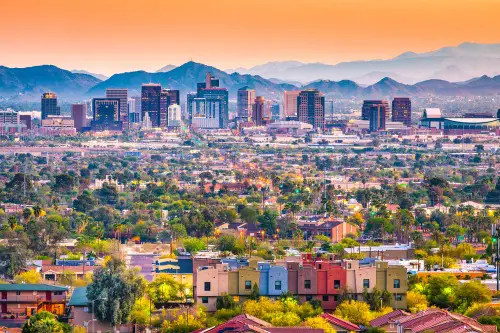
Phoenix gained popularity as a relatively affordable large city. Migration accelerated rapidly in recent years. Housing prices rose far faster than local incomes. The affordability gap closed quickly.
Heat and water concerns complicate growth. Infrastructure must adapt to extreme conditions. Sprawl increases dependency on cars. Popularity removed the city’s former safety valve.
11. Charleston — Historic Charm Under Pressure
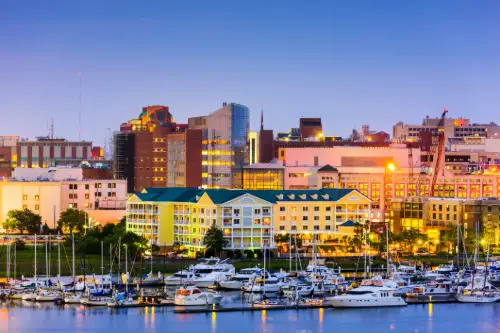
Charleston’s historic beauty drives tourism and relocation. Limited space constrains new development. Housing costs rose as demand intensified. Locals struggle to remain near the urban core.
Tourism reshapes daily life. Services cater more to visitors than residents. Preservation clashes with growth needs. Popularity tests how much change the city can absorb.
12. Bozeman — Small City, Big Demand
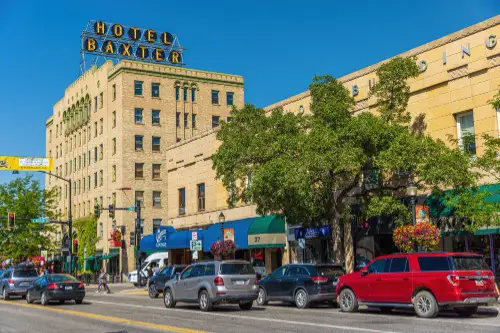
Bozeman became popular for access to nature and remote work. Demand surged far beyond its small housing market. Prices skyrocketed in a short timeframe. Locals found themselves priced out rapidly.
Infrastructure lagged behind growth. Traffic and service capacity became immediate concerns. Workforce housing shortages affect essential jobs. Popularity transformed Bozeman faster than it could adapt.
This post What Happens When Popularity Starts Working Against a City was first published on American Charm.

