
1. Brownsville, Brooklyn, New York
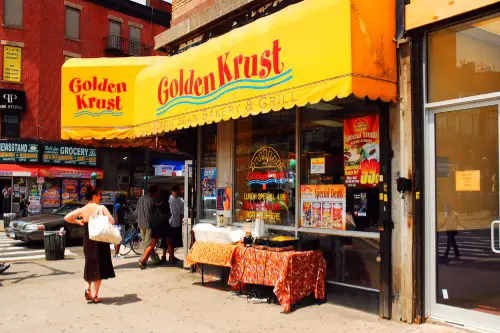
Even inside one of America’s largest cities, you can find places that tell difficult stories about inequality and neglect. Brownsville, a neighborhood in Brooklyn, became synonymous with urban decay after waves of arson and systemic disinvestment eroded its built environment. Once bustling tenements now sit vacant or repaired but underused, and poverty rates have remained stubbornly high. Brownsville’s landscape reflects the layered history of housing policy, economic exclusion, and community activism.
But this is more than an architectural story — it’s about people trying to rebuild social fabric. Grassroots groups and local leaders have worked for decades to create opportunities, improve safety, and restore pride in place. Yet the effects of historic neglect still shape daily life here. Brownsville reveals that even in wealthy metropolitan regions, some communities continue to struggle with the long shadows of inequity.
2. Detroit, Michigan
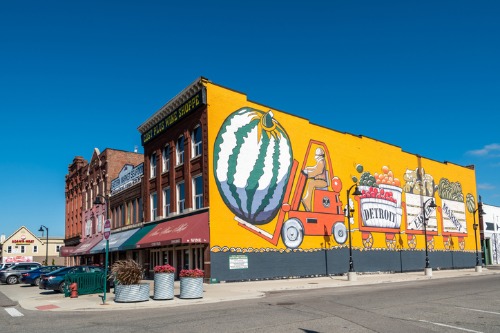
Detroit’s legacy as the Motor City is impossible to ignore — and its current struggles are equally unforgettable. Once the fourth‑largest city in the U.S., Detroit lost hundreds of thousands of residents as the auto industry restructured and jobs disappeared, leaving entire neighborhoods dotted with abandoned homes and factories. The result isn’t just empty buildings; it’s a stark picture of how economic shifts can hollow out even the most vibrant city. Visiting Detroit today, you see both remnants of industrial might and the tough work of revitalization amid persistent poverty and blight.
But the story isn’t only one of decline; it’s also one of resilience. Community gardens grow in former lots, artists have taken over once‑derelict spaces, and downtown has seen new life with tech firms and cultural institutions moving in. Yet for many residents on the city’s margins, basic services remain patchy and opportunities limited. Detroit reveals how decades of disinvestment don’t disappear overnight — and how hard it is to stitch a community back together.
3. Picher, Oklahoma
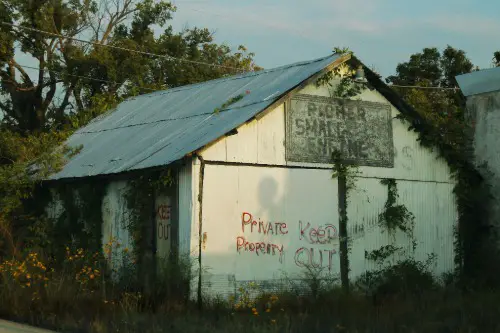
Picher began as a booming mining town, extracting lead and zinc that helped drive America’s industrial growth. But that wealth came at a price: decades of unregulated mining left mountains of toxic tailings and widespread contamination in soil and water around the town. Eventually, health risks, sinkholes, and environmental degradation became so severe that the government bought out residents and disincorporated the city. What was once a vibrant community is now almost entirely abandoned, a haunting reminder of the costs of environmental neglect.
Walk through Picher today and you’ll see cracked sidewalks, collapsed buildings, and chat piles towering where homes used to stand. The toxic legacy still leaches into the landscape, a testament to a boom‑and‑bust cycle that didn’t just erode an economy but made a place uninhabitable. Even the powerful storms that ripped through the region couldn’t erase the deeper catastrophe beneath the surface. Picher reveals what happens when we prize short‑term gain over long‑term stewardship.
4. Cairo, Illinois
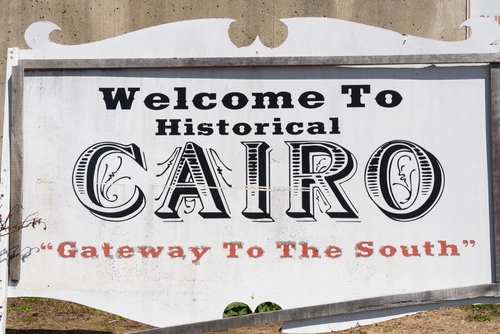
Perched at the confluence of the Ohio and Mississippi Rivers, Cairo once looked destined to be a major transport hub in the 19th and early 20th centuries. But as river commerce declined and railroads and highways bypassed the town, its economic lifeblood drained away. Population that once hovered near 15,000 has dwindled to a few thousand, and large swaths of the downtown lie empty or crumbling. Cairo embodies how geography, economics, and policy can collide to hollow out a community.
The town’s decline was compounded by racial tensions and repeated flooding that discouraged investment and drove people away. Today, closed shops and vacant homes frame the streets where thriving businesses once stood. Despite efforts by locals to revitalize basic services, Cairo’s story raises tough questions about the sustainability of small river towns in a shifting economy. Its slow slide reveals the human toll of long‑term disinvestment.
5. Gary, Indiana
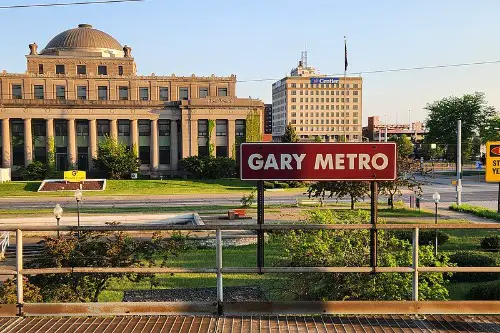
Gary rose almost overnight as a steel town in the early 20th century, anchored by U.S. Steel’s massive mills and a booming workforce. For decades it churned out the steel that built bridges, skyscrapers, and ships across America. But like many mono‑industrial places, Gary shrank as demand for steel faltered, automation cut jobs, and investment flowed elsewhere. Today, wide boulevards and shuttered theaters stand as testimonies to a population that has dropped by more than half.
The city’s challenges are deeply human, not just economic. Residents navigate high poverty, underfunded services, and the emotional weight of seeing childhood homes fall into disuse. But there are also efforts to reimagine Gary’s future — from repurposing industrial land to attracting small businesses and cultural projects. Gary shows how industrial decline reshapes both a place and the people who call it home.
6. Flint, Michigan
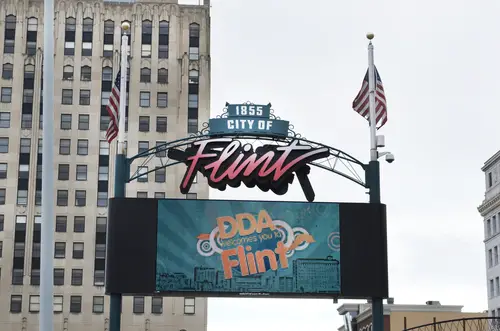
Flint’s name became nationally known because of a water crisis that exposed millions of Americans to lead‑contaminated drinking water. But the roots of that crisis lie deeper in decades of deindustrialization and population loss after General Motors reduced operations in the region. Once a thriving auto manufacturing center, Flint saw jobs evaporate and tax revenues collapse, leaving aging infrastructure to languish. The water crisis was a symptom of long‑standing systemic problems.
Families in Flint have fought tirelessly for safe water and accountability, even as new challenges emerge. The city’s hospitals, schools, and public spaces reflect both resilience and struggle. Flint reveals how infrastructure decay can translate into public health emergencies when trust between residents and institutions fractures. Its story highlights the urgency of investing in neglected places before tragedies unfold.
7. Cleveland, Ohio
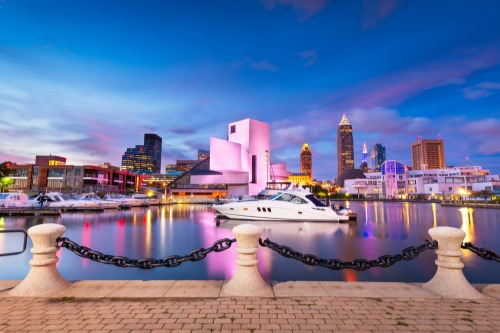
Cleveland’s industrial heyday left behind iconic buildings and bridges — but also neighborhoods where factories and jobs have vanished. Population decline and high unemployment have made parts of the city look frozen in time, with unfinished renovation projects and cracked roads interrupting once‑busy corridors. Despite efforts to attract tech firms and new residents downtown, many communities still feel left behind. Cleveland shows how even major metropolitan areas can struggle with uneven recovery and concentrated deprivation.
Local initiatives have won national attention for arts, food, and neighborhood revitalization, yet barriers persist. Schools in some parts of the city remain underfunded, and healthcare access varies dramatically by zip code. Cleveland’s experience reveals that economic shifts don’t affect all residents equally, and that rebuilding requires more than shiny skyscrapers. It’s a city trying to balance reinvention with deep‑rooted inequities.
8. Baltimore, Maryland
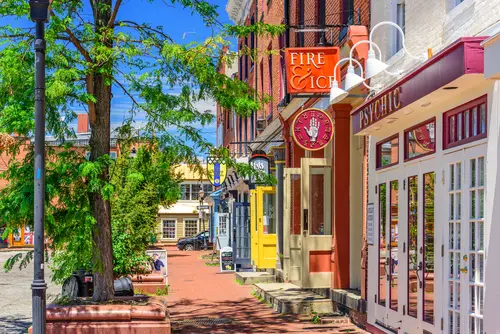
Baltimore’s dramatic rowhouses and historic waterfronts hint at a rich past, but in many neighborhoods you’ll see boarded‑up buildings and vacant lots that testify to disinvestment. Like other legacy cities, Baltimore has lost residents for decades, and many who remain grapple with poverty and unsafe streets. This juxtaposition of beauty and blight reveals the complex realities of urban change in America. Baltimore’s struggles show how historic segregation and resource disparities can shape the built environment.
Yet there are also stories of community strength — grassroots organizations working to rebuild gardens, support local entrepreneurs, and reclaim abandoned spaces. The city’s vibrant arts and cultural scenes persist even where services falter. Baltimore reveals that crumbling places are not just about decay, but also about the will to create something new amid hardship.
9. St. Louis, Missouri
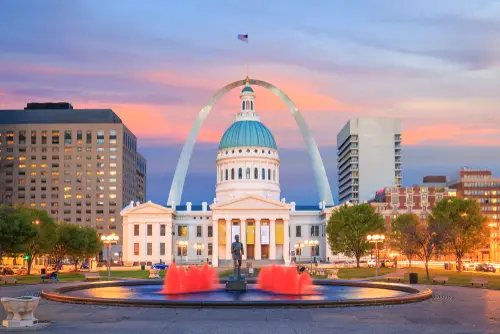
Like many Midwestern cities, St. Louis was once a booming industrial and transportation hub. Over the last century it has seen a dramatic population decline as jobs and investment left the city core. Today, entire blocks in North St. Louis remain empty or overgrown, betraying a lack of basic services such as functioning street lights and safe parks. St. Louis’s landscape reflects how persistent disinvestment can transform neighborhoods into places few outsiders recognize.
Still, there are neighborhoods with thriving community efforts and creative local economies. Residents and organizations have rallied to renovate historic homes and support small businesses. The city’s story illuminates a central tension in post‑industrial America: how to honor a storied past while forging a future that benefits all residents.
10. Braddock, Pennsylvania
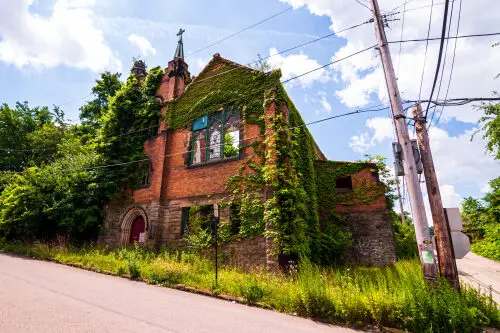
Braddock was once at the heart of Andrew Carnegie’s steel empire, a place where mill workers lived, died, and raised generations in a tight‑knit community. As steel production contracted, however, the town’s population plummeted and many buildings were left vacant. Today, Braddock reveals both decline and hope — a renovated Carnegie library has become a cultural hub and a symbol of grassroots persistence. The town’s story shows that even in shrinking places, there’s room for reinvention.
Despite its struggles with poverty and shuttered industry, people in Braddock are redefining what their community can be. Artists, educators, and new businesses are experimenting with ways to attract visitors and create jobs. That doesn’t erase years of hardship, but it adds depth to the narrative of America’s crumbling places. Braddock reveals that decay and resilience often walk hand in hand.
11. Camden, New Jersey
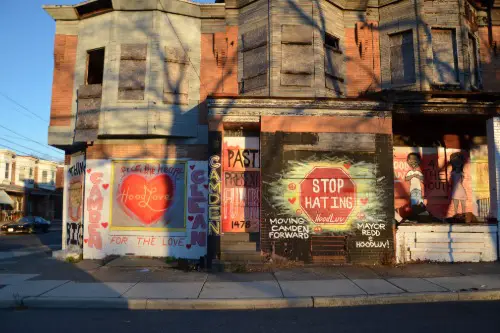
Camden has long been a cautionary tale about industrial collapse and urban poverty. Once a thriving port city and home to major manufacturing, it lost most of its industrial base by the late 20th century. High crime, underfunded schools, and failing infrastructure made the city a symbol of post-industrial struggle. Walking through Camden today, you see boarded-up homes alongside pockets of revitalization, reflecting a city in tension between abandonment and renewal.
Community organizations have become the lifeblood of Camden, running programs to support youth, public health, and local business development. New initiatives, like waterfront redevelopment and art spaces, aim to attract residents and visitors back. Yet the city’s challenges remain stark, highlighting systemic inequities that don’t disappear overnight. Camden shows how policy, economy, and community resilience intersect in America’s crumbling cities.
This post What America’s Crumbling Places Reveal was first published on American Charm.

