1. Saturday Morning Cartoons

Saturday morning cartoons are remembered as magical, but they were primarily marketing vehicles. Many shows existed mainly to sell toys, cereals, and fast food to children. Educational content was limited, and diversity was minimal or stereotypical. Commercial breaks often outnumbered actual storytelling minutes.
Parents liked them because they kept kids busy, not because they were high-quality entertainment. Miss an episode and it was gone, since reruns were unpredictable. There was no pause button, no choice, and no way to revisit favorites easily. The magic often came from scarcity, not excellence.
2. Rotary Phones

People remember rotary phones as charming and reliable, but they were slow and physically limiting. Dialing took real time, and a single misdial meant starting over completely. Long-distance calls were expensive enough that families rationed them carefully. And if you had mobility issues or weak fingers, using one could be genuinely difficult.
They also locked you to a specific place in the house, often a hallway or kitchen wall. Privacy was limited because anyone could pick up another receiver and listen in. Missed calls stayed missed, because answering machines didn’t become common until later. The “simplicity” mostly meant fewer options, not better ones.
3. Kids Playing Outside Until Dark

This memory often skips over how uneven and unsafe that freedom could be. Many neighborhoods lacked sidewalks, streetlights, or safe parks, and traffic deaths among children were significantly higher than today. Bullying and exclusion happened without adult supervision, and there was little recourse if things went wrong. For many kids, “outside until dark” also meant boredom, not adventure.
It was also a privilege shaped by race, gender, and location. Some children were tightly restricted because of real safety concerns, while others were ignored rather than trusted. Injuries were common and often untreated because kids were expected to “walk it off.” The nostalgia tends to remember independence, not neglect.
4. Mall Culture

People romanticize malls as vibrant social hubs, but they were heavily commercial and exclusionary. Teens were welcome only as long as they spent money and followed strict behavioral rules. Many malls enforced dress codes and curfews that disproportionately targeted Black and lower-income teens. Security routinely harassed groups that didn’t fit a narrow image of who belonged.
Malls were also monotonous once the novelty wore off. The same chain stores appeared everywhere, creating a kind of bland uniformity. Independent retailers were pushed out by rising rents long before online shopping took the blame. What’s remembered as community was often just consumerism with air conditioning.
5. Writing Letters by Hand

Handwritten letters feel romantic in hindsight, but they were slow and unreliable. Mail could take days or weeks, even within the same country. Miscommunication lingered longer because clarification wasn’t immediate. If something urgent happened, letters were useless.
They were also emotionally risky in ways people forget. Tone was easy to misread, and conflicts could escalate through delayed responses. Losing a letter meant losing the entire conversation. What feels thoughtful now often felt frustrating then.
6. Family Dinners Every Night
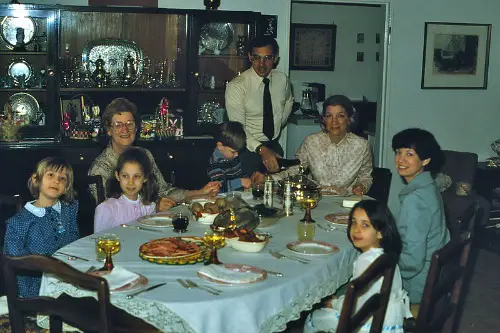
The idea of nightly family dinners suggests warmth and connection, but reality was more complicated. Many households experienced tension, silence, or outright conflict at the table. Children were often expected to be quiet and compliant rather than heard. For some, dinner was a daily performance, not a comfort.
This tradition also depended on unpaid labor, usually by women. Meals required planning, cooking, and cleanup with little acknowledgment. Working-class families with multiple jobs often couldn’t maintain this ideal anyway. Nostalgia smooths over who paid the cost to make it happen.
7. School Discipline “Back When Kids Behaved”

Stricter discipline is often remembered as effective, but it frequently relied on fear. Corporal punishment was legal in many states and widely accepted. Students with disabilities or learning differences were punished rather than supported. Compliance was valued more than understanding.
Good behavior often meant silence, not engagement. Many kids learned to hide problems instead of asking for help. Dropout rates were higher, and emotional well-being wasn’t a priority. Order existed, but it came at a cost.
8. Cash-Only Living
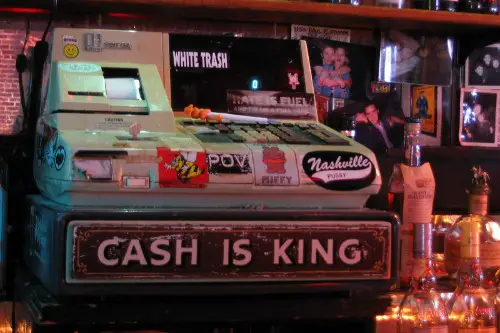
Paying in cash feels simpler in memory, but it created real limitations. Losing your wallet meant losing everything, with little chance of recovery. Budgeting was harder to track without digital records. Fraud protection was essentially nonexistent.
Cash also excluded people without stable access to banks. It made large purchases risky and travel more stressful. Emergencies were harder to manage without quick access to funds. Convenience improved not because people became careless, but because systems got safer.
9. Old Cars Without “Too Much Technology”
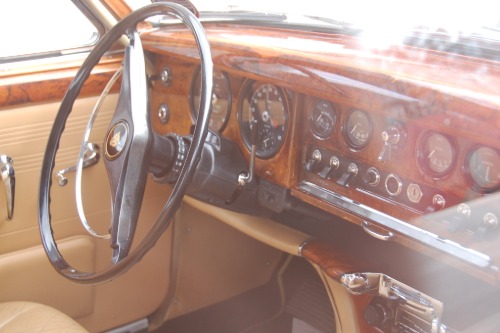
People praise older cars for being straightforward, but they were objectively less safe. Seat belts weren’t standard until the late 1960s, and airbags came much later. Crumple zones, backup cameras, and collision warnings didn’t exist. Fatality rates per mile driven were significantly higher.
Maintenance was also constant and dirty. Cars required frequent tune-ups, manual adjustments, and roadside fixes. Breakdowns were expected, not rare. What’s remembered as rugged reliability often meant tolerating frequent failure.
10. “Real” Customer Service
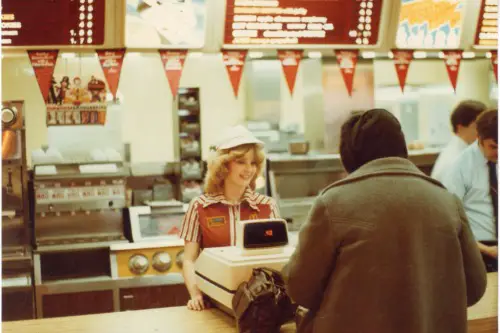
Customer service is often said to have been better, but it was also more arbitrary. Policies varied by employee, mood, and personal bias. Women, minorities, and younger customers were often dismissed or talked down to. Complaints had few formal channels.
There were no online reviews or accountability systems. A bad experience usually stayed private, benefiting the business. Resolution depended on who you were, not what was fair. Politeness was expected, but respect wasn’t guaranteed.
11. The Slower Pace of Life

People miss the slower pace, but much of that slowness came from inefficiency. Tasks took longer because tools were limited, not because life was more mindful. Waiting was unavoidable, whether for information, repairs, or responses. Productivity wasn’t lower because people were relaxed, but because systems lagged.
That slowness also trapped people in bad situations longer. Leaving a job, relationship, or town required more resources and risk. Information gaps made it harder to know alternatives existed. What feels peaceful in memory often felt constraining in reality.
This post What Americans Miss About “Back Then” Wasn’t Actually Real was first published on American Charm.