1. Keeping Scrapbooks and Photo Albums
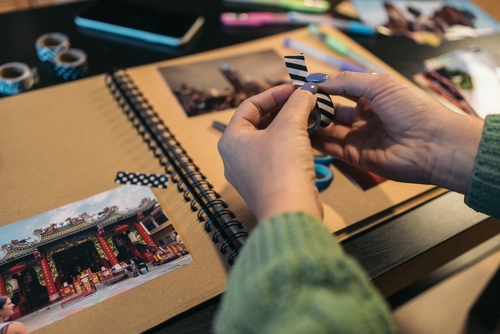
Photos weren’t instantly stored and forgotten in digital galleries. People printed them and arranged them into albums or scrapbooks. Each page told a story through captions, decorations, and layout. It was both creative and reflective.
Looking through albums became a shared activity with family and friends. Memories were revisited intentionally rather than scrolling quickly. The effort involved made each collection feel meaningful. It turned remembering into an event of its own.
2. Playing Board Games at the Table
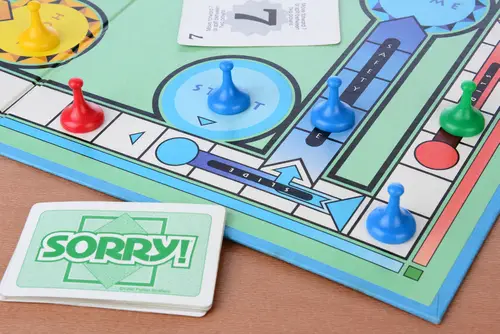
Before screens took over living rooms, board games were a go-to way to pass an evening. Families regularly gathered around games like Monopoly or Scrabble, learning rules and strategies together. It wasn’t just about winning, but about conversation, competition, and shared time. Even simple games could stretch on for hours.
These games also taught practical skills without feeling like lessons. Players picked up math, spelling, and critical thinking just by playing. There was a rhythm to shuffling cards, rolling dice, and taking turns. It created a kind of focused attention that’s harder to come by today.
3. Writing Letters by Hand
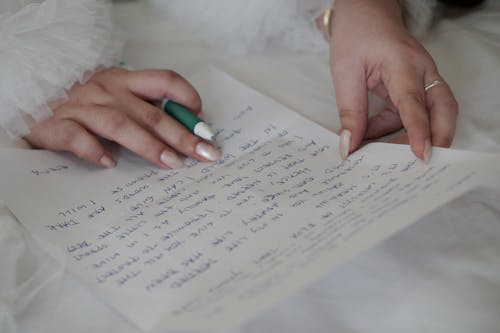
Staying in touch once meant sitting down with paper, a pen, and time. People wrote detailed letters about daily life, big events, and everything in between. There was no instant reply, which made each message feel more thoughtful. You had to choose your words carefully.
Receiving a letter was just as meaningful as writing one. The physical object carried handwriting, personality, and sometimes even scent or small keepsakes. Delays between sending and receiving created anticipation. Communication felt slower but often more intentional.
4. Reading for Long, Uninterrupted Stretches

Books were a primary form of entertainment, not something squeezed in between notifications. People spent entire afternoons absorbed in novels, biographies, or magazines. Libraries and home bookshelves were central to daily life. Reading wasn’t competing with multiple streams of content.
This kind of focus built deep attention spans over time. Readers followed long, complex narratives without distraction. It also encouraged imagination in a way passive media often doesn’t. The act of reading became its own form of escape.
5. Doing Puzzles and Brain Teasers
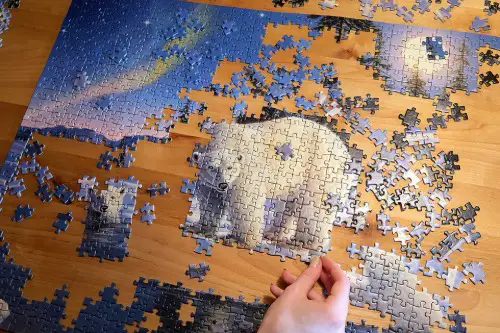
Jigsaw puzzles and logic problems were common fixtures on tables and coffee counters. Families might leave a puzzle out for days, adding pieces bit by bit. It gave people something to return to without needing a device. The process itself was the reward.
These activities encouraged patience and pattern recognition. They also created quiet, shared moments without much talking. Crossword puzzles in newspapers became daily rituals for many. It was a way to stay mentally engaged without screens.
6. Spending Hours Outdoors

Free time often meant going outside without a strict plan. Kids rode bikes, explored neighborhoods, or played pickup games until dark. Adults gardened, walked, or simply sat on porches watching the world go by. The outdoors was the default setting for leisure.
This kind of unstructured time built independence and creativity. People learned to entertain themselves using whatever was available. Social interactions happened face-to-face and in real time. It made everyday life feel a bit more physical and immediate.
7. Hobbies Like Knitting, Woodworking, or Model Building

Hands-on hobbies filled evenings and weekends for many people. Knitting, sewing, woodworking, and assembling model kits were all common pastimes. They required focus, repetition, and gradual skill-building. Progress was something you could physically see.
These hobbies often connected generations through shared knowledge. Skills were passed down informally within families or communities. Finished projects carried a sense of pride and usefulness. Time spent felt productive as well as relaxing.
8. Visiting Neighbors Without Calling First
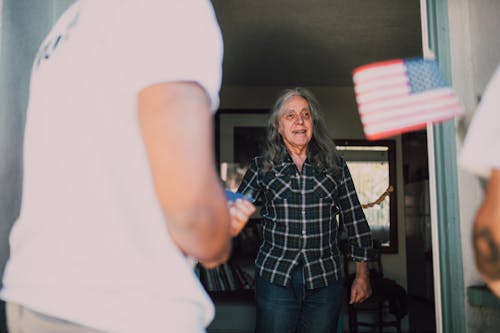
Dropping by someone’s house used to be completely normal. You might knock on a door just to see if a friend was home. Social plans were often spontaneous rather than scheduled. It created a more fluid sense of community.
These visits helped maintain strong local relationships. People became familiar with their neighbors’ routines and rhythms. Conversations happened face-to-face without digital filters. It made social life feel more immediate and less curated.
9. Watching Live Performances and Local Events

Before streaming, entertainment often meant going out to experience something in person. Community theaters, school plays, and local concerts drew regular crowds. Events like county fairs and talent shows were major social gatherings. You showed up because there was no replay option.
The experience was tied to a specific time and place. Missing it meant missing it entirely. That gave events a sense of urgency and value. Shared experiences became lasting memories.
10. Listening to Records from Start to Finish
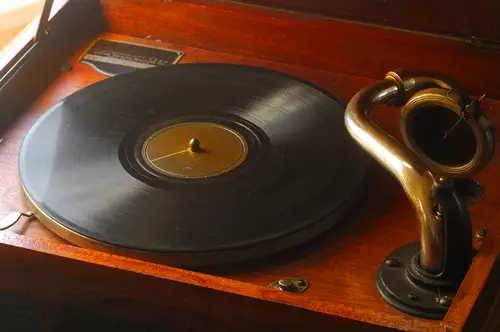
Music used to be a more deliberate activity. People put on vinyl records and listened to entire albums in order. Artists often designed albums to be experienced as a whole, not just individual songs. You sat with the music rather than skipping around.
Handling records required care, from placing the needle to flipping sides. That physical interaction slowed things down. It encouraged deeper appreciation of sound and structure. Listening became an experience, not just background noise.
11. Listening to the Radio as an Event
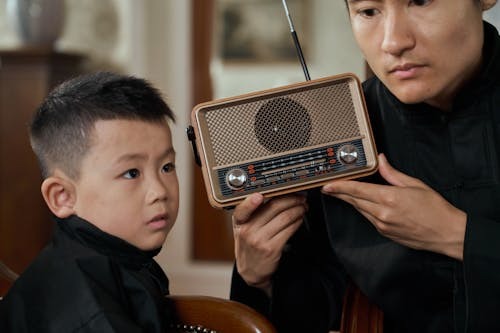
Radio used to be more than background noise, it was a centerpiece of home entertainment. Families would gather to hear serialized dramas, news broadcasts, or music programs at scheduled times. Shows like The Lone Ranger drew loyal audiences who didn’t want to miss an episode. You had to be there when it aired or wait for word-of-mouth recaps.
That structure made listening feel intentional and shared. People discussed episodes the next day much like TV shows today. Imagination filled in the visuals, making the experience more personal. It was a slower, more communal way to engage with stories.
This post Ways People Used to Spend Time Without Screens was first published on American Charm.