
1. Navajo Turquoise Jewelry

Mid-20th-century Navajo silver and turquoise jewelry created for the trading post market is now in high demand. Pieces with natural, untreated turquoise stones attract the most interest. Famous silversmiths’ work can command significant premiums. Hallmarks and craftsmanship help authenticate origin and era.
Families often inherit these pieces without fully realizing their significance. Today’s collectors value them both for artistry and cultural history. Auctions emphasize well-preserved necklaces, cuffs, and rings. Their beauty and craftsmanship elevate them far beyond forgotten attic jewelry.
2. First-Edition Hardy Boys Books
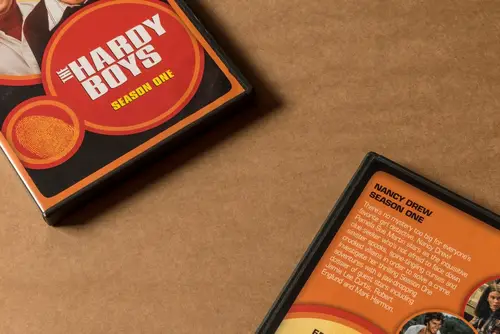
The first printings of Hardy Boys mysteries from the 1920s and 1930s now draw strong demand. Early editions with the original brown covers and illustrated endpapers are especially coveted. Their condition can dramatically influence value, with dust jackets adding a big premium. Because so many early copies were handled roughly by young readers, surviving clean copies are scarce.
Families often packed these books away after children grew up, assuming they had no future worth. Today, collectors seek them both for nostalgia and for the history of children’s publishing. The earliest print runs were relatively small, which makes them appealing investments. That scarcity is what shifts these attic finds into the auction spotlight.
3. 1960s Concert Posters

Original posters from 1960s rock concerts—especially shows in San Francisco and Los Angeles—have gained serious traction at auctions. Designs from the Fillmore and Avalon Ballroom eras are especially desirable because they captured a defining cultural moment. Artists like Wes Wilson and Victor Moscoso created bright, psychedelic styles that are now iconic. Authentic posters from first print runs are far rarer than later reprints.
Many posters survived only because teens pinned them on walls and later tossed them in boxes. The art world now appreciates them as influential examples of counterculture design. When experts authenticate the print run and condition, the values can surprise owners. Their combination of cultural history and unmistakable style drives collectors’ enthusiasm.
4. Vintage Coca-Cola Advertising Signs

Early Coca-Cola signs—particularly porcelain ones from the 1930s to 1950s—have become major auction favorites. Their durability helped them survive, but the vivid colors and classic imagery make them especially desirable. Signs with the round “button” shape or featuring early slogans often bring strong numbers. Condition matters heavily, with chips and rust reducing but not eliminating interest.
Many people hung these signs in garages or barns, then stored them away as newer versions came out. But collectors now value them for the link they provide to early American branding. Advertising memorabilia has a dedicated fan base, and Coca-Cola tops many lists. That steady demand is why formerly forgotten signs now command big bids.
5. 1970s Star Wars Action Figures

Early Star Wars toys—especially the 1978 Kenner action figures—have turned into auction heavyweights. Unopened figures with original packaging often bring the highest attention. Characters like Boba Fett, Darth Vader, and Luke Skywalker are perennial favorites, especially in rare variants. The earliest production runs, known as “12-back” cards, are particularly valuable.
Parents often stored these toys after kids outgrew them, never imagining future value. Today, collectors seek them for both nostalgia and rarity. Even loose figures in good shape can fetch surprising prices. Their role in pop culture history keeps demand strong year after year.
6. Mid-Century Danish Teak Furniture
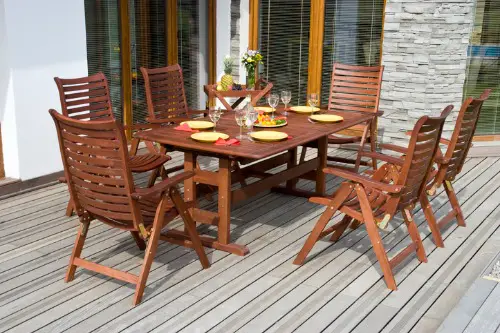
While technically not American-made, Danish teak furniture became hugely popular in American homes during the 1950s and 1960s. Pieces like credenzas, chairs, and dining sets now bring serious prices at U.S. auctions. The craftsmanship and clean lines have aged incredibly well, appealing to modern designers. Many pieces were relatively expensive at the time, so fewer were produced compared to mass-market furniture.
Families often relegated these heavy pieces to basements or storage rooms as trends changed. Now, the mid-century revival has pushed their value upward. Buyers appreciate the longevity and sustainable hardwood construction. Auctions highlight these as prime examples of timeless design.
7. Vintage Slot Cars

Electric slot cars from the 1960s—especially Aurora Thunderjets—now spark bidding wars among hobbyists. Rare bodies, track sets, and original boxes all contribute to their desirability. Variants with unusual colors or limited production runs are especially valuable. The cars’ mechanical simplicity makes them appealing to collectors and tinkerers alike.
Many sets wound up forgotten in attics after basements got reorganized. Today’s collectors enjoy restoring and racing them, which keeps interest high. Complete sets with functioning motors can bring impressive prices. Their blend of nostalgia and hands-on fun makes them auction standouts.
8. Tin Lunchboxes
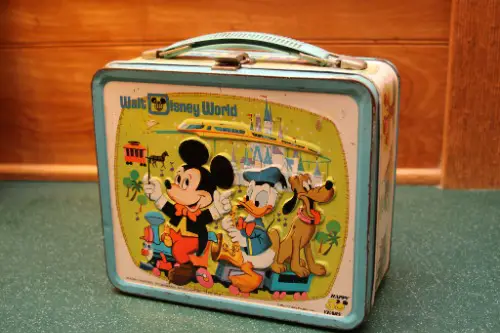
1950s and 1960s metal lunchboxes often fetch strong prices, especially those featuring beloved TV characters. Designs like “Howdy Doody,” “The Jetsons,” or early “Barbie” editions are particularly collectible. Condition matters, with clean graphics and minimal rust bringing much higher bids. Original thermoses make complete sets more attractive.
Many kids used these daily, so most surviving examples show heavy wear. Finding one stored safely in an attic is a lucky event for collectors. These items represent a slice of childhood and popular culture. That sentimental value drives their lasting appeal at auctions.
9. 1950s Pyrex Mixing Bowls
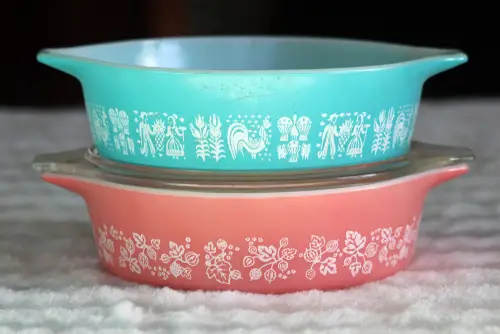
Collectors have turned 1950s Pyrex mixing bowls from everyday kitchenware into prized display pieces. Their bright colors and durable glass make them stand out at vintage markets and auctions. Certain patterns—like “Pink Gooseberry” or “Butterprint”—have become especially sought after because they were limited in production. As more people rediscover mid-century style, prices keep rising for complete, well-preserved sets.
Many families stored these bowls in attics thinking they were outdated clutter. But collectors now love the nostalgia and practicality they bring to a modern kitchen. When original patterns haven’t faded and sets remain intact, they command real attention. That mix of rarity and charm is exactly why they’ve become auction highlights.
10. Early Baseball Cards
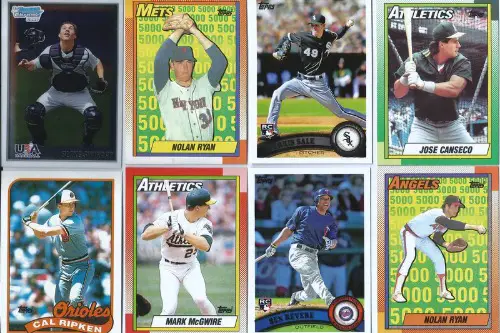
Baseball cards from the 1950s—such as Topps cards featuring Mantle, Mays, or Aaron—continue to lead sports memorabilia auctions. Cards in high-grade condition remain exceptionally rare because most children handled them roughly. Rookie cards are especially prized for their limited numbers. Even well-worn examples of iconic players hold steady demand.
Many collections were boxed up after childhood and stored for decades. When families rediscover them, grading reveals their true value potential. High-grade cards can transform seemingly ordinary attic finds into major auction events. Their deep connection to American sports history fuels collector passion.
11. 1930s Art Deco Clocks
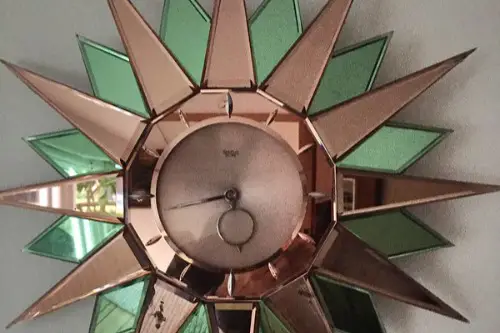
Art Deco mantel clocks from the 1930s combine strong design with mechanical craftsmanship. Brands like Telechron and Seth Thomas produced distinctive pieces with geometric shapes and chrome accents. Certain styles—like skyscraper designs—are especially sought after. Working mechanisms and original finishes raise values considerably.
These clocks often ended up in storage once their mechanisms failed or tastes changed. Collectors now value them as iconic examples of American industrial design. Restored clocks can draw significant interest because they bridge function and artistry. Their stylistic flair keeps them firmly in the auction spotlight.
12. Vintage Levi’s Denim
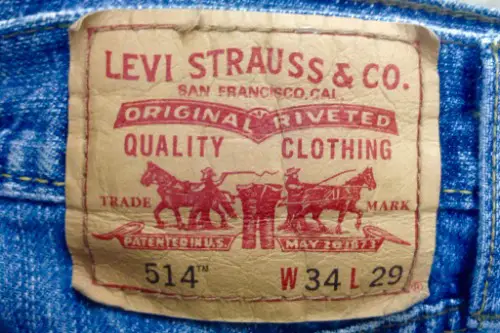
Early Levi’s jeans—particularly 1940s and 1950s models—have become coveted fashion artifacts. Collectors look for details like hidden rivets, selvedge denim, and original patches. Even heavily worn pairs can bring strong prices if the features are intact. Rarity increases when jeans include provenance or unique repairs.
Many families stored old work jeans without knowing how collectible they’d become. Today, denim historians trace stitching, rivets, and labels to pinpoint the era. This detective work adds excitement for buyers and sellers alike. The combination of American workwear history and modern style drives auction interest.
13. 1950s Jukeboxes
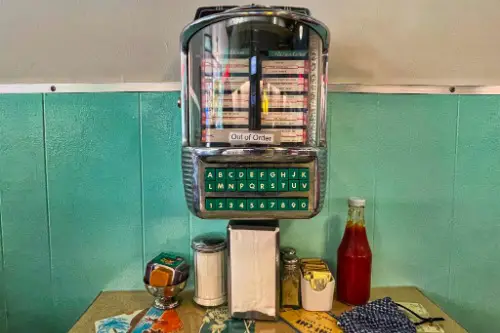
Classic jukeboxes from brands like Wurlitzer and Seeburg often become centerpiece items at auctions. Models with bubble tubes, colorful lights, and intact chrome bring the highest attention. Working internal mechanisms add significant value. Original song title strips and records make them even more desirable.
Many jukeboxes were retired to storage after bars updated their entertainment. Restoring them requires skill, but the effort pays off at auction. Collectors love their blend of engineering and Americana. These machines capture the feel of mid-century social life, which keeps demand high.
14. Vintage Quilts
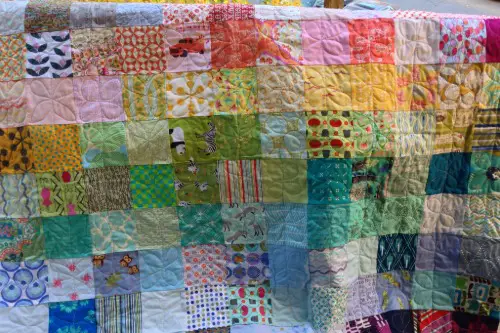
Handmade American quilts from the late 19th to mid-20th century have become collectible for their craftsmanship. Patterns like “Log Cabin,” “Double Wedding Ring,” and “Baltimore Album” are especially admired. Cotton quilts with natural dyes hold up well over decades. Provenance adds value, particularly for regionally known quilters.
Many families preserved quilts without realizing their artistic importance. Today, textile collectors appreciate them as works of folk art. Condition plays a big role, as fading or fabric wear can affect value. Their history and handiwork make them regular features in specialty auctions.
15. Early Electric Fans
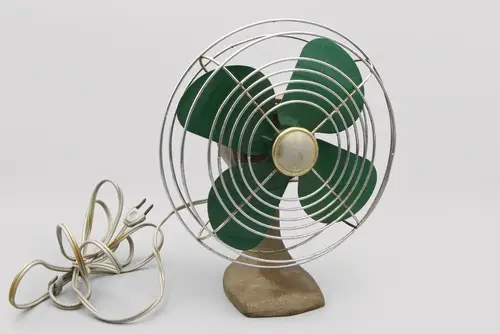
Electric fans from the 1910s to 1940s—particularly cast-iron models by Emerson or GE—have found new life among collectors. Their heavy construction and brass blades give them a striking industrial look. Restored fans often work better than many modern versions. Original paint and intact badges increase desirability.
For years, old fans were tucked away due to safety concerns or replaced by newer styles. Collectors now restore them, appreciating both engineering and aesthetics. The combination of mechanical reliability and vintage charm has boosted their market value. That transformation from attic item to auction standout surprises many first-time sellers.
This post 15 Vintage American Items That Went From Attic Junk to Auction Highlights was first published on American Charm.

