
1. Active shooter drills in everyday life
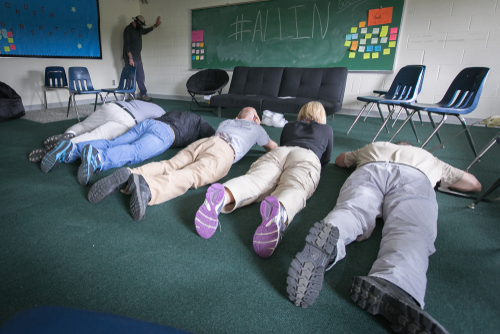
For many Americans, active shooter drills have become a routine part of school and work calendars. Children practice barricading doors and staying silent as if it were a fire drill. Offices run lockdown scenarios that feel surreal until you remember why they exist. The unsettling part is how normalized these preparations have become.
This is included because the U.S. experiences significantly more mass shooting incidents than other high-income countries. Rather than addressing root causes, institutions often prioritize survival training. That quietly transfers responsibility onto individuals, including kids. Over time, the drills feel ordinary instead of alarming.
2. Medical bills that make no sense
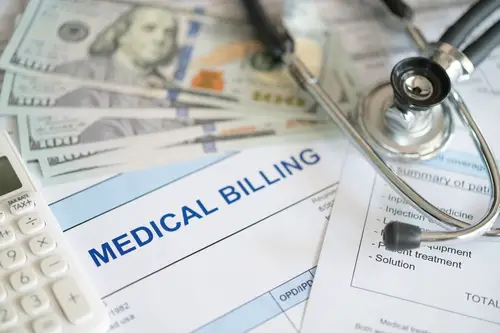
Americans are used to opening medical bills that look like they’re written in another language. Charges vary wildly for identical procedures, even within the same hospital system. Insurance explanations often contradict the bill itself. Many people give up and just pay what they’re told.
This belongs here because health care pricing in the U.S. remains notoriously opaque. Hospitals, insurers, and providers negotiate costs without patient involvement. Challenging errors requires time and specialized knowledge. Ignoring the confusion becomes a survival strategy.
3. Constant digital tracking
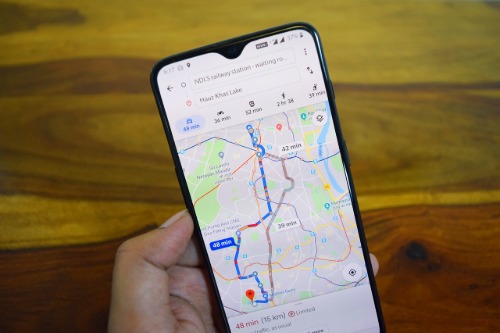
Most Americans know their phones are tracking them, but they keep them nearby at all times. Apps collect location data, browsing habits, and personal preferences by default. Ads often reference conversations or searches that feel uncomfortably specific. People joke about it instead of resisting it.
This makes the list because data collection has expanded faster than privacy protections. Consent is usually buried in long terms-of-service agreements. Opting out can mean losing access to basic tools or platforms. Acceptance replaces outrage because opting out feels unrealistic.
4. Aging infrastructure barely holding together
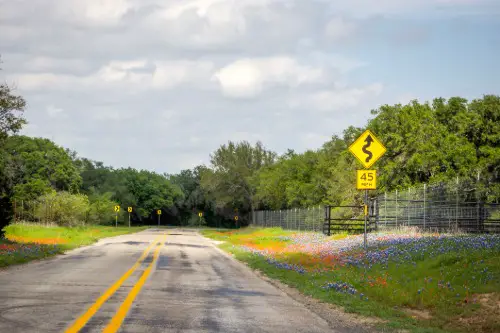
Bridges, highways, and water systems frequently show visible wear. Delays, closures, and boil-water advisories are treated as minor inconveniences. Major failures only make headlines when something collapses. Until then, people adjust their routines.
This is unsettling because much of U.S. infrastructure is decades past its intended lifespan. Maintenance is often delayed due to cost and politics. Americans grow accustomed to warning signs instead of solutions. The danger fades into the background.
5. Extreme weather becoming “normal”
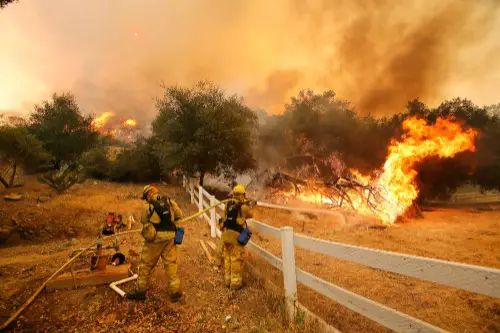
Heat waves, wildfires, floods, and hurricanes now feel like expected seasonal events. News coverage often frames them as routine rather than extraordinary. People adapt by buying generators, air purifiers, or evacuation supplies. The sense of urgency fades quickly.
This belongs here because climate-related disasters are increasing in frequency and intensity. Short-term recovery usually takes priority over long-term prevention. Communities rebuild in the same vulnerable places. Repetition dulls the alarm.
6. Crushing student loan debt
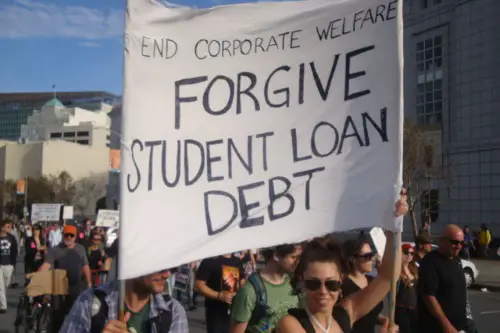
Student loan balances stretch into the tens or hundreds of thousands for many borrowers. Monthly payments can last decades, regardless of income changes. Loan servicers change terms and rules with little warning. Borrowers feel trapped but resigned.
This is included because higher education costs have far outpaced wage growth. Loans are often taken before borrowers fully understand the consequences. Bankruptcy protections are limited for student debt. Ignoring the long-term burden becomes emotionally necessary.
7. Work culture that rewards burnout

Working long hours with minimal time off is often worn as a badge of honor. Emails and messages arrive late at night and on weekends. Many employees fear using all their vacation days. Exhaustion becomes part of professional identity.
This makes the list because U.S. labor protections lag behind many peer nations. There is no federal requirement for paid vacation or sick leave. Job insecurity discourages setting boundaries. Burnout becomes normalized instead of addressed.
8. Public spaces designed around surveillance

Cameras watch sidewalks, stores, parking lots, and public transit. Facial recognition technology is quietly tested or deployed in some areas. Signs warning of surveillance are often ignored. Being watched feels ordinary.
This is unsettling because surveillance has expanded faster than public oversight. Data collected in public spaces can be stored, shared, or misused. Most people are unsure who controls it. Familiarity replaces concern.
9. Rising housing costs with shrinking options
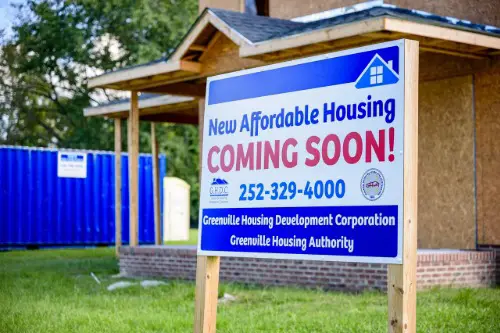
Rent and home prices have risen faster than wages in many regions. People downsize, take roommates, or move farther from work. Housing instability affects even middle-income earners. It’s discussed casually, not urgently.
This belongs here because housing affordability is increasingly out of reach. Zoning restrictions, limited supply, and investment speculation all play roles. Temporary workarounds become long-term solutions. The crisis feels permanent.
10. Police violence footage as regular news

Videos of violent police encounters circulate frequently online. News cycles move on quickly after each incident. Viewers feel shock, then exhaustion. Repetition dulls the response.
This is included because constant exposure has normalized trauma. Accountability often feels inconsistent or delayed. Communities affected most heavily rarely see lasting change. The public learns to expect the footage.
11. Everything quietly becoming a subscription

Software, cars, appliances, and entertainment increasingly require monthly fees. Features that once came standard now cost extra. Canceling subscriptions can be intentionally difficult. People lose track of what they’re paying for.
This makes the list because ownership is being replaced by perpetual payment. Companies favor predictable recurring revenue over one-time sales. Consumers accept it because opting out limits access. The slow creep makes it easy to ignore.
This post Unsettling Things Americans Have Learned to Ignore to Survive was first published on American Charm.

