1. The Villages, Florida

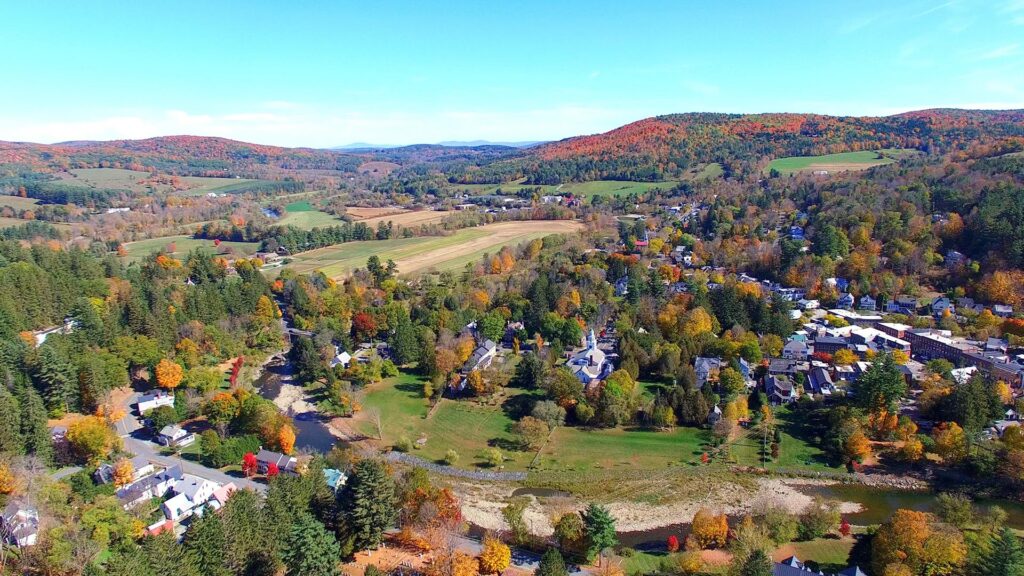
What started as a modest Central Florida development became one of the most dramatic retiree-driven transformations in the country. Retirees arrived in huge numbers, and the area evolved into a sprawling community built almost entirely around their lifestyle. Golf carts became a primary mode of transportation, and nightly live music turned town squares into social hubs. The sheer scale changed nearby economies, politics, and even regional infrastructure.
The reason this place belongs on the list is simple: retirees didn’t just move in, they defined the place. Local businesses shifted almost overnight to healthcare, recreation, and dining that caters to older adults. The population skews heavily 55+, which influences everything from road design to voting patterns. It’s a clear example of retirees reshaping a town from the ground up.
2. Naples, Florida
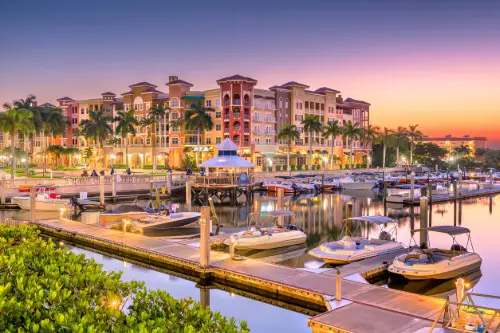
Naples was once a quiet Gulf Coast town known mostly to locals and seasonal visitors. As retirees arrived, drawn by warm winters and coastal living, the town’s wealth profile noticeably shifted. Upscale shopping districts, luxury condos, and private golf communities followed close behind. The cost of living rose, and the town’s identity became more polished and affluent.
Naples earns its spot because the retiree influx didn’t just increase population, it altered expectations. Services expanded toward high-end healthcare and leisure rather than industry or fishing. Longtime residents saw changes in housing access and traffic patterns. The town now functions as a model of how retirement wealth can reshape a local economy.
3. Prescott, Arizona

Prescott attracted retirees looking for mild weather without the intense heat of Phoenix or Tucson. As they arrived, historic downtown buildings were restored rather than replaced. Medical facilities expanded, and arts and cultural programming grew more prominent. The town leaned into a slower-paced, heritage-focused identity.
This town makes the list because retirees reinforced preservation over expansion. Their presence helped stabilize property values and supported year-round businesses. At the same time, the population shift raised concerns about workforce housing and wages. Prescott shows how retirees can help protect charm while still changing who the town is for.
4. Asheville, North Carolina
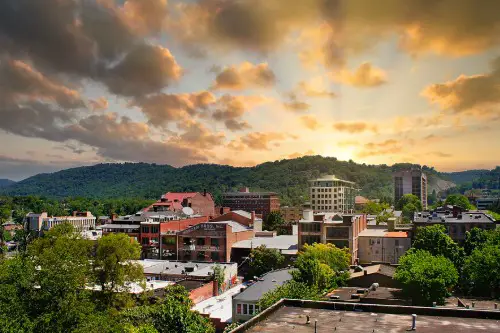
Asheville already had an artsy, mountain-town vibe before retirees arrived in large numbers. Many were drawn by the Blue Ridge scenery, cooler summers, and cultural life. Their arrival fueled a boom in healthcare, real estate, and dining. Home prices climbed, and the town grew more nationally visible.
Asheville belongs here because retirees blended into the culture while still reshaping it. They supported galleries, music venues, and restaurants with steady income. At the same time, service workers felt the squeeze from rising housing costs. The town now balances its creative spirit with a growing older population.
5. Bend, Oregon
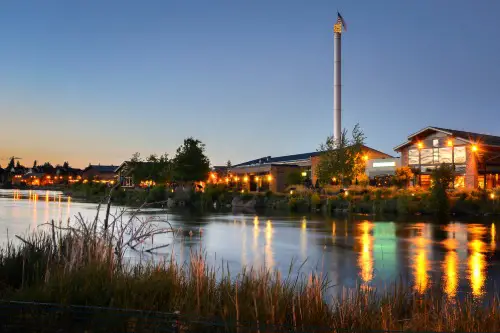
Bend transitioned from a timber town to a lifestyle destination over several decades. Retirees arrived alongside outdoor enthusiasts, drawn by scenery and recreation. Healthcare systems expanded rapidly to meet demand. Downtown shifted toward boutiques, breweries, and walkable neighborhoods.
This town is included because retirees helped stabilize Bend’s year-round economy. They brought investment and volunteerism into civic life. However, the housing market tightened dramatically. Bend shows how retirees can accelerate change already underway.
6. Hilton Head Island, South Carolina
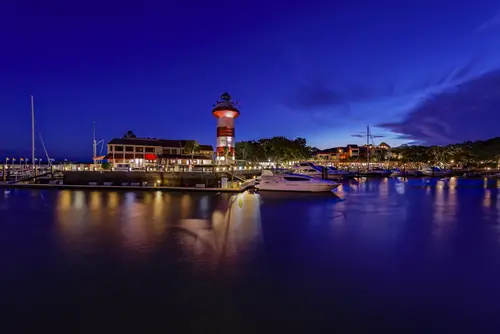
Hilton Head was designed with leisure in mind, which made it especially attractive to retirees. As they settled in, the island shifted toward permanent residency rather than seasonal tourism. Healthcare services expanded, and community planning emphasized accessibility. The pace of life slowed compared to nearby resort areas.
The island makes the list because retirees changed how the town functions day to day. Schools became less central while medical and recreational facilities grew. Civic decisions increasingly reflected older residents’ priorities. Hilton Head illustrates how retirees can quietly convert a resort into a hometown.
7. Georgetown, Texas
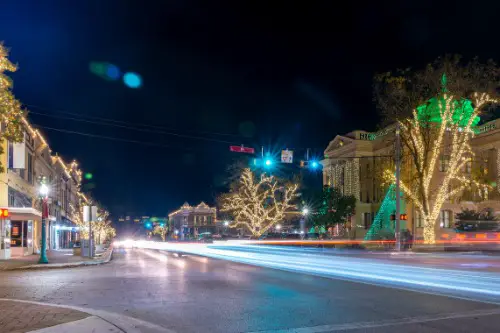
Georgetown saw major change after becoming home to one of the largest age-restricted communities in the country. Retirees arrived looking for affordability and proximity to Austin. The population boom fueled retail, healthcare, and infrastructure growth. The town’s national profile rose quickly.
This town belongs here because the retiree presence altered its demographic balance. Median age increased, and local politics shifted accordingly. Businesses adjusted hours, offerings, and staffing to match new demand. Georgetown demonstrates how fast change can happen when retirees arrive at scale.
8. Beaufort, South Carolina
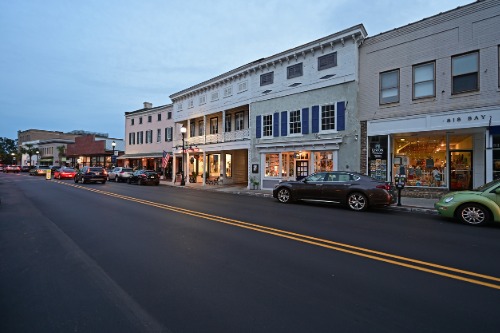
Beaufort’s coastal beauty and historic character attracted retirees seeking a quieter alternative to bigger cities. Their arrival supported preservation of historic homes and downtown areas. Medical services expanded to serve an older population. The town leaned further into its small-town coastal identity.
Beaufort earns its place because retirees reinforced stability rather than growth pressure. They contributed to civic organizations and historic preservation efforts. However, housing affordability became more challenging for younger residents. The town reflects how retirees can preserve atmosphere while shifting demographics.
9. St. George, Utah

St. George became a magnet for retirees escaping colder climates. The population growth was rapid and visible across housing developments. Healthcare facilities expanded dramatically in response. The town’s infrastructure had to catch up quickly.
This town makes the list because retirees changed its scale almost overnight. What was once a small desert community became a regional hub. Traffic, water use, and housing became key concerns. St. George shows how retirees can drive urban-style growth in unexpected places.
10. Sequim, Washington
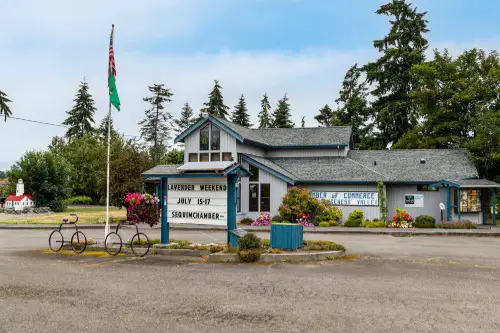
Sequim gained attention for its dry, mild climate in the rain shadow of the Olympics. Retirees arrived seeking comfort and scenic surroundings. Lavender farms, farmers markets, and medical services grew in prominence. The town became known as a retirement-friendly enclave.
Sequim belongs here because retirees redefined its reputation. Local planning increasingly focused on accessibility and healthcare. Younger residents saw fewer job options outside service roles. The town highlights how retirees can quietly rebrand a place.
11. Coeur d’Alene, Idaho
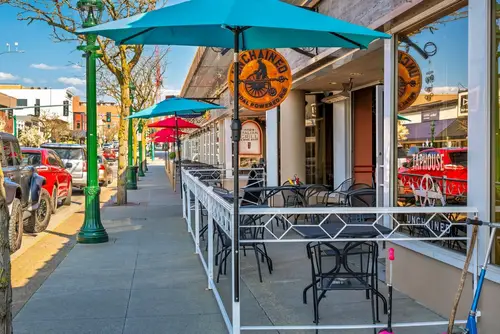
Coeur d’Alene attracted retirees with its lakefront views and outdoor lifestyle. As they moved in, real estate prices climbed sharply. Healthcare systems expanded and modernized. The town became more polished and less seasonal.
This town makes the list because retirees amplified demand for amenities. Local businesses adapted to a more stable, older customer base. Growth created tension around affordability and infrastructure. Coeur d’Alene shows how scenic towns can change quickly under retiree pressure.
12. Fort Myers, Florida
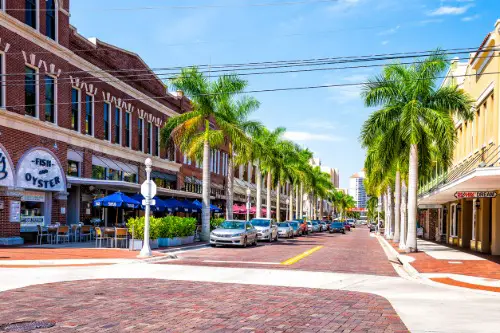
Fort Myers long served as a gateway to Southwest Florida. Retirees arrived steadily, drawn by climate and coastal access. Residential development expanded inland and outward. Healthcare and service industries became dominant employers.
Fort Myers earns its spot because retirees reshaped land use patterns. Neighborhoods shifted toward age-friendly designs. Seasonal rhythms became more permanent. The city reflects how retirees can transform a regional hub.
13. Punta Gorda, Florida

Punta Gorda was once a quieter alternative to nearby coastal cities. Retirees arrived seeking affordability and walkability. Downtown revitalization followed, with dining and marina development. The town became more active year-round.
This town belongs on the list because retirees fueled revival rather than sprawl. Their presence supported small businesses and civic projects. Housing demand increased steadily. Punta Gorda shows how retirees can revive a town without overwhelming it.
14. Fredericksburg, Texas
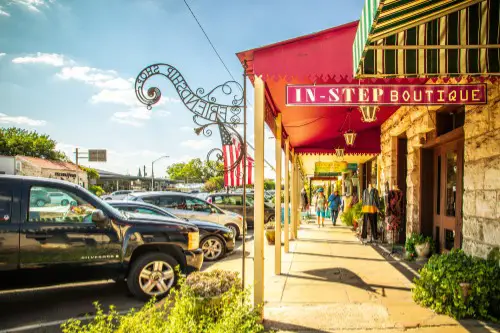
Fredericksburg’s historic charm and wine country setting drew retirees from across the state. As they settled in, tourism blended with permanent residency. Medical services and upscale housing expanded. The town’s profile rose well beyond its size.
Fredericksburg makes the list because retirees blurred the line between tourist town and hometown. Local culture shifted toward leisure and hospitality. Housing costs rose for workers. The town illustrates how retirees can amplify existing appeal.
15. Sun City, Arizona

Sun City was one of the first large-scale retirement communities in the U.S. Retirees arrived with a clear idea of how they wanted to live. The area developed entirely around their needs and routines. Nearby towns adapted in response.
This place belongs on the list because it set the template. Sun City influenced how retirement communities were planned nationwide. Its presence reshaped surrounding economies and services. It remains a foundational example of retiree-driven change.
This post 15 U.S. Towns Where Retirees Arrived—and Everything Quietly Changed was first published on American Charm.