
1. Huntsville, Alabama
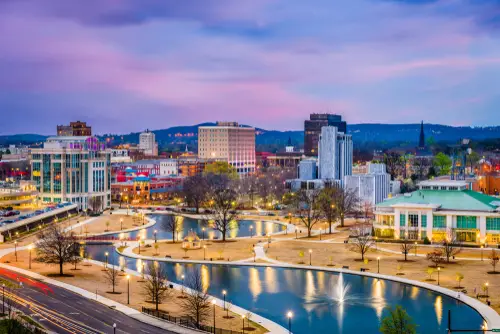
Huntsville’s aerospace and defense sectors keep expanding, and that means steady influxes of skilled workers. NASA and defense contractors have major footprints here. When highly paid engineers pour in, housing usually follows the pressure. Huntsville has already seen early signs of that squeeze.
The city has been improving infrastructure to keep pace with growth. New subdivisions north of the city show how quickly builders are trying to respond. Demand for rentals has climbed too, signaling broader population shifts. In 2026, Huntsville could easily rank among the hottest emerging markets.
2. Boise, Idaho
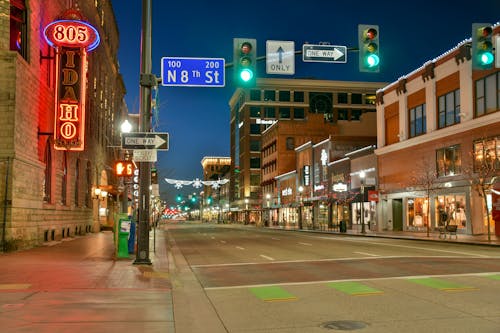
Boise continues to attract remote workers who want city perks without big-city chaos. Tech investment has been steady, and several midsize firms have recently expanded operations there. The city’s outdoor culture still draws newcomers year-round. With inventory tightening, Boise seems primed for another surge in 2026.
Developers have been eyeing new mixed-use projects along the Boise River corridor. As those come online, demand is likely to grow even faster. Transportation upgrades underway should also raise appeal for commuters. Altogether, Boise’s balance of lifestyle and opportunity keeps it on the housing-hotspot watchlist.
3. Greenville, South Carolina
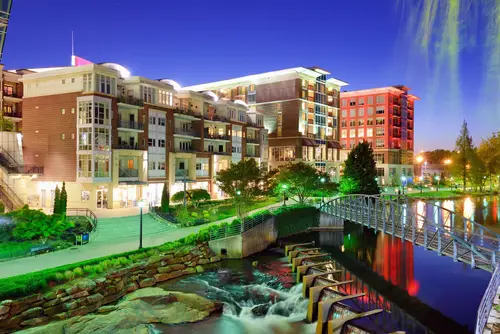
Greenville has been building buzz for the last several years thanks to its revitalized downtown. The walkable Main Street and strong culinary scene continue to pull in young professionals. Manufacturing and engineering firms have also boosted job growth. Those ingredients usually precede a heating housing market.
The city has been promoting more infill development, and builders are responding. That means limited land supply combined with increasing demand. Retirees relocating from the Northeast are adding to the competition. Expect Greenville’s market to feel tighter by mid-2026.
4. Spokane, Washington
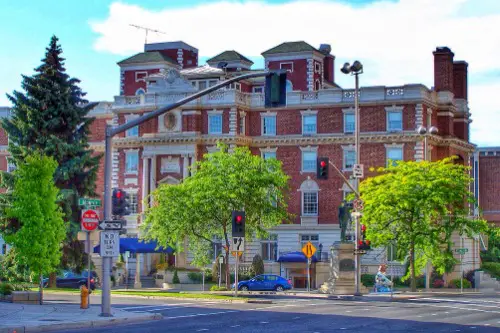
Spokane has become an appealing alternative to pricier Seattle. Workers who can telecommute still enjoy the Pacific Northwest vibe but save significantly on housing. The university and healthcare sectors remain stable economic anchors. That mix usually supports a healthy housing pipeline.
The city’s investment in riverfront improvements is creating new neighborhood draws. More people are noticing the area’s mix of trails, culture, and relative affordability. Competition has already been creeping up in certain zip codes. Expect buyers to turn to Spokane even more in 2026 as Western markets tighten.
5. Chattanooga, Tennessee
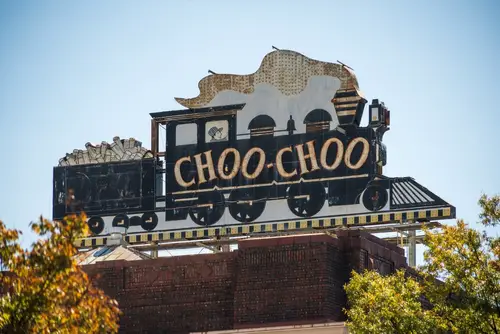
Chattanooga’s tech-friendly policies and gig-speed internet have long impressed remote workers. Outdoor recreation options, especially around Lookout Mountain, continue to lure newcomers. The city blends Southern charm with a modern, entrepreneurial culture. Those traits often foreshadow hotter real-estate cycles.
City officials have supported redevelopment projects that bring new housing downtown. Investors are already circling neighborhoods previously overlooked. Tourism growth also puts pressure on short-term and long-term rentals. With all of that, Chattanooga is set to climb in demand next year.
6. Fort Collins, Colorado
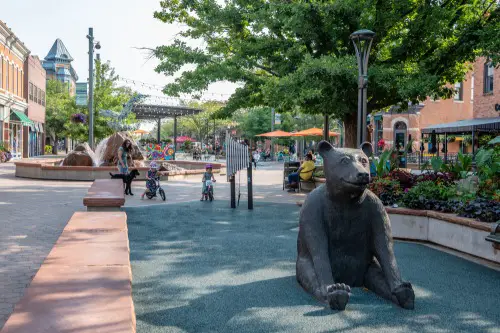
Fort Collins benefits from a strong university presence and steady research funding. The craft-beer scene and bike-friendly culture also keep the town in constant demand. Prices have risen, but buyers still see it as more approachable than Boulder. That combination tends to attract early-career professionals and families.
The city has been expanding transit lines, improving regional connectivity. Employers have taken note, opening satellite offices and research hubs. As those projects mature, more workers will want to live nearby. By 2026, that could push Fort Collins into “hotspot” territory.
7. Madison, Wisconsin
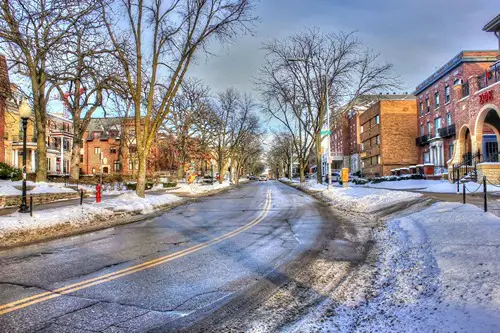
Madison’s tech and biotech sectors have been quietly gaining national attention. The presence of a major university feeds both research and workforce talent. The city continues to rank high for quality of life and sustainability initiatives. These factors often spur new housing demand.
Developers are adding density to meet interest from young professionals. Several infill projects are underway near major employment corridors. Infrastructure improvements around Monona Bay will only enhance livability. Expect Madison to stay on buyers’ radar through 2026.
8. Fayetteville, Arkansas
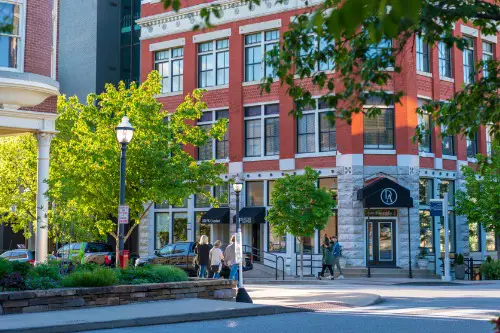
Fayetteville benefits from the broader Northwest Arkansas boom tied to Walmart, Tyson Foods, and J.B. Hunt. Job growth in the region has kept demand high. The University of Arkansas adds cultural energy and a stable rental base. Together, these create a strong foundation for future housing pressure.
Regional officials continue investing in trails, parks, and transit options. Those improvements make the area even more appealing for families. Builders have tried to keep pace, but supply still struggles to meet rising demand. That imbalance may sharpen further heading into 2026.
9. Reno, Nevada

Reno’s transformation into a tech-adjacent hub has been noticeable over the past decade. With several firms positioning near Tahoe and Silicon Valley, workers see it as a practical middle ground. Manufacturing expansions also help diversify its job market. All signs suggest continued population growth.
Housing inventory remains tight despite increased construction. Outdoor amenities keep drawing people fleeing higher-cost metros. More retirees are showing interest too, adding another layer of demand. Reno’s trajectory points toward a heated 2026 market.
10. Columbus, Ohio
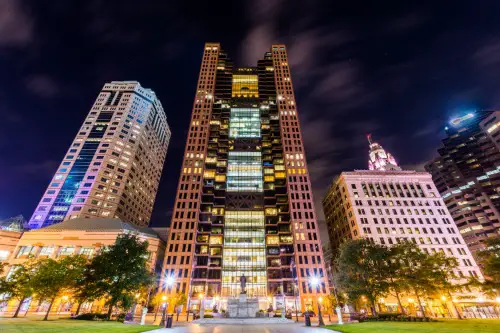
Columbus has seen major economic wins tied to tech and semiconductor investments. Job creation from these projects is projected to ripple through housing markets. The city’s affordability still beats many coastal hubs. These ingredients usually lead to strong buyer interest.
Neighborhood revitalization is already happening around the city’s core. Transit improvements and park expansions make urban living more desirable. Developers have responded, but demand is rising even faster. Columbus is poised for a competitive 2026.
11. Tucson, Arizona
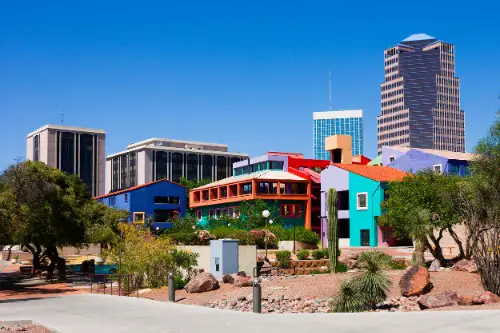
Tucson has been gaining popularity as a more affordable alternative to Phoenix. The city’s artsy vibe and desert landscapes appeal to retirees and remote workers alike. Healthcare and defense remain sturdy employment sectors. That stability typically supports steady real-estate activity.
Limited water-smart development means supply remains somewhat constrained. New communities on the outskirts are filling quickly. Buyers continue to value Tucson’s cost advantage over other Arizona metros. Expect its market to heat up further in 2026.
12. Rochester, New York
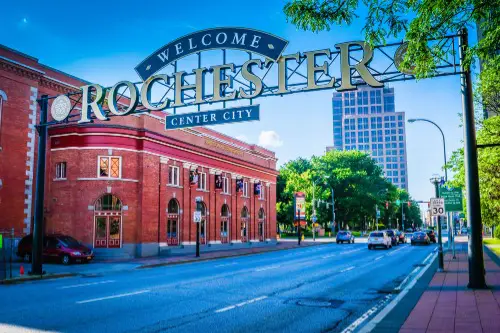
Rochester is seeing quiet momentum thanks to growth in optics, imaging, and biotech. The region’s universities feed talent into these industries. With lower housing costs than most Northeastern cities, it offers a compelling value. These dynamics often precede rising demand.
The city has funded waterfront and downtown redevelopment. Those projects enhance walkability and attract younger residents. Investors are increasingly looking at Rochester as an undervalued market. By 2026, interest may spike more visibly.
13. Grand Rapids, Michigan
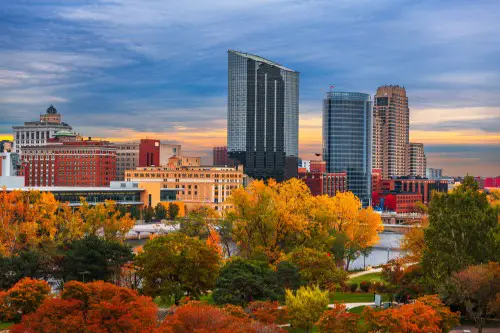
Grand Rapids has been benefiting from an expanding healthcare and furniture-manufacturing sector. The area’s affordability draws younger families seeking space. Craft breweries and revitalized districts add lifestyle appeal. These trends tend to build long-term housing pressure.
Developers are constructing new mixed-use districts near the city center. Transit improvements are planned to connect these emerging hubs. Vacancy rates have been dipping, signaling stronger demand ahead. By 2026, competition could intensify significantly.
14. Burlington, Vermont
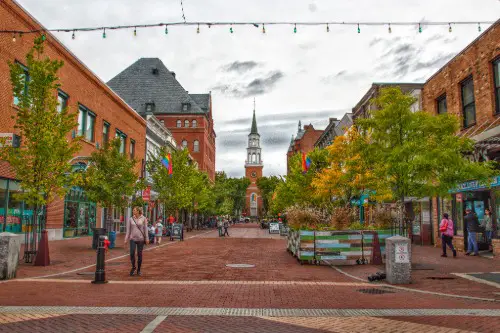
Burlington continues to attract environmentally focused professionals and remote workers. Its outdoor lifestyle and progressive initiatives remain big draws. Prices have climbed, but supply has stayed tight. That imbalance usually signals a brewing hotspot.
The city has been encouraging more sustainable, higher-density housing. Those efforts, however, haven’t closed the supply gap yet. With more people discovering Vermont’s quality of life, demand keeps rising. Expect Burlington to feel even hotter in 2026.
15. Albuquerque, New Mexico
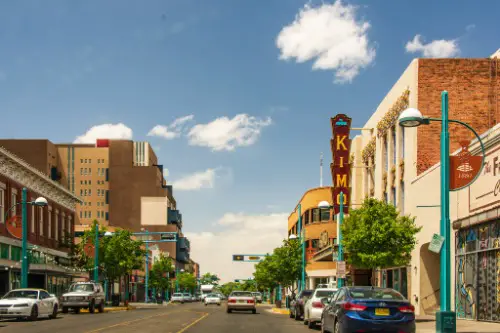
Albuquerque offers a blend of affordability and natural beauty that many buyers appreciate. The city’s film industry and tech presence have quietly expanded. Those sectors bring in younger workers seeking stable housing. It’s a recipe for growing demand.
Infrastructure upgrades across the metro are improving commutes. Neighborhoods near the Rio Grande are seeing new interest. Inventory remains limited despite modest building activity. By 2026, the market may see sharper competition.
16. Sarasota, Florida
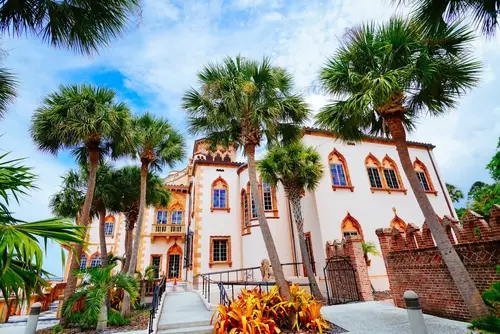
Sarasota continues to draw retirees, remote workers, and second-home seekers. Its beaches and cultural institutions keep the area in high demand. Healthcare and tourism remain strong pillars of the economy. Those factors fuel ongoing residential growth.
Supply constraints have lingered despite steady construction. New luxury and mid-market communities are filling up quickly. More people relocating from the Northeast and Midwest add pressure. Sarasota looks ready to stay a top contender in 2026’s housing hotspots.
This post 16 U.S. Towns That Will Become Housing Hotspots in 2026 was first published on American Charm.

