1. Bisbee, Arizona
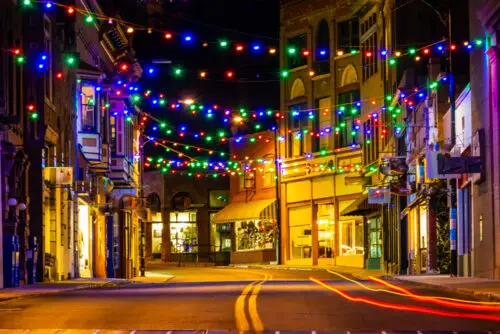
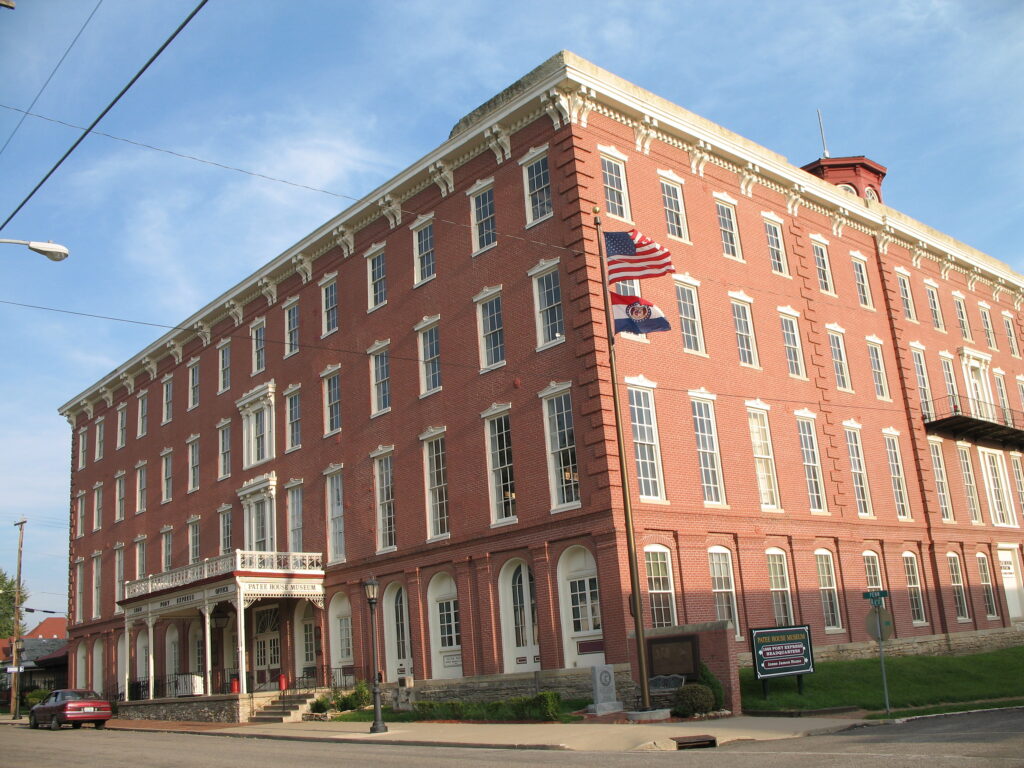
Bisbee began as a thriving copper-mining town before the industry slowed and residents moved on. For years it stayed a sleepy, historic corner of the Mule Mountains with more empty buildings than visitors. But artists and free-spirited transplants fell in love with its steep streets, colorful houses, and quirky personality. Before long, Bisbee evolved into a creative hub without ever losing its small-town soul.
The town’s former mine now hosts underground tours, which brought even more people who were curious about its history. Antique shops, murals, and indie cafes filled the once-quiet downtown. Soon weekend travelers from Tucson and Phoenix discovered it as an easy escape. Bisbee became the kind of place that feels both removed from the world and unexpectedly alive.
2. Marfa, Texas
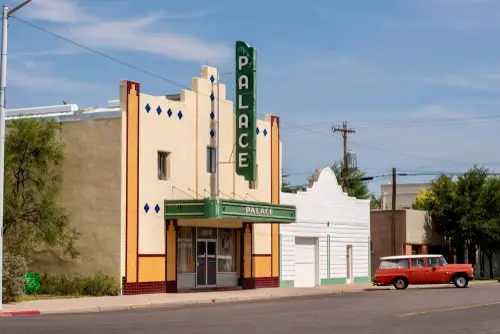
Marfa spent most of its life as a tiny ranching town tucked into the vast emptiness of West Texas, known mostly to locals and long-haul drivers. Things changed when artist Donald Judd moved there in the 1970s and began installing large-scale minimalist works. His projects eventually grew into a major arts foundation, quietly drawing curious visitors for decades. By the 2000s, the town’s galleries, boutique hotels, and desert mystique put it firmly on the national radar.
People also come for the “Marfa Lights,” those strange glowing orbs that folks have been spotting outside town since at least the 19th century. What used to be a quiet local legend suddenly became a tourist magnet once word spread. Now the observation area fills with travelers at night, all hoping for a glimpse of something mysterious. It’s the rare place where high art and ghost-light lore blend into one unforgettable stop.
3. Eureka Springs, Arkansas
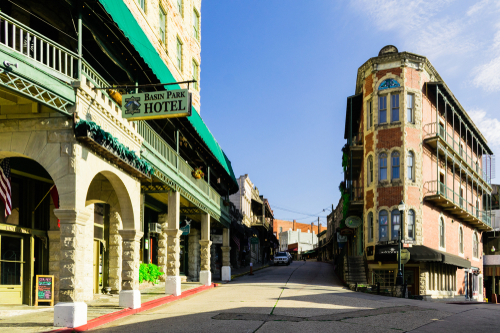
Eureka Springs started as a secluded Ozarks settlement built around natural springs believed to offer healing properties. For many decades it remained a quiet hill town dotted with Victorian houses and winding streets. Gradually, travelers began noticing its unusual architecture and forested setting. As more visitors arrived, the town’s steep, twisting layout became part of its charm.
Its historic hotels and cliff-hugging buildings gained reputations for ghost stories, which fueled even more tourism. The arts community also grew, filling old storefronts with galleries and handcrafted goods. Festivals began popping up throughout the year, giving travelers more excuses to visit. Today it’s a vibrant retreat built on the bones of a once-hidden mountain village.
4. Galena, Illinois
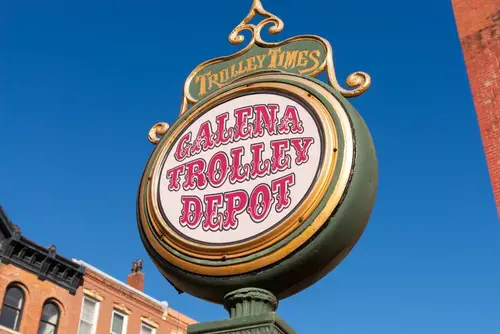
Galena was once a major lead-mining town along the Mississippi River, but it quieted significantly as mining declined. Its 19th-century buildings, however, never went away. When preservation efforts took hold in the late 20th century, people began noticing how remarkably intact the town looked. Suddenly travelers were coming just to walk streets that felt a century frozen in time.
The home of Ulysses S. Grant also sits here, and history buffs helped spread the word. Local wineries and small inns added new reasons for people to stay. Soon weekend travelers from Chicago made it a staple getaway spot. Galena transformed from a quiet historic town to a full-fledged destination.
5. Hood River, Oregon
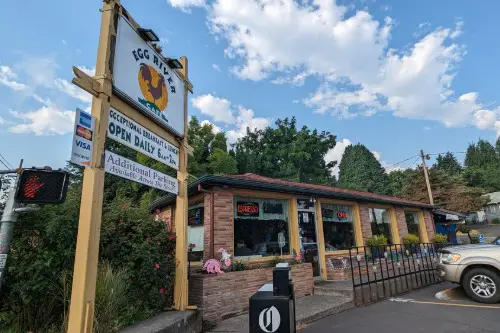
Hood River used to be little more than a farming community along the Columbia River Gorge. It stayed peaceful for generations, known mostly for apples, pears, and small-town life. But strong winds in the Gorge created perfect conditions for windsurfing, which adventurous athletes quickly discovered. Word spread fast, turning the town into a global hotspot for the sport.
Breweries, cafes, and outdoor shops followed as more visitors arrived. Mountain biking and hiking added even more reasons for people to stay. Its fruit orchards also became part of the draw through a scenic route known as the Fruit Loop. Hood River shifted from quiet farm town to buzzing outdoor mecca.
6. Telluride, Colorado
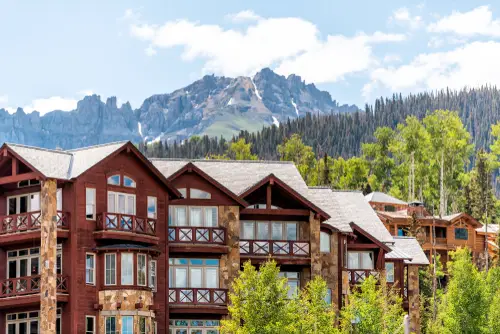
Telluride started as a remote mining town surrounded by steep San Juan peaks, accessible only by treacherous mountain passes. For decades it remained isolated and sparsely populated. But when skiing took off in the 1970s, the slopes above town proved ideal. Resorts moved in, and the transformation began.
Its box-canyon setting made it visually unforgettable, giving travelers bragging rights for discovering somewhere that felt hidden. Music and film festivals added a cultural layer that surprised people expecting just another ski village. Celebrities began visiting too, which amplified attention. Telluride became a place where rugged beauty meets upscale energy.
7. Stowe, Vermont
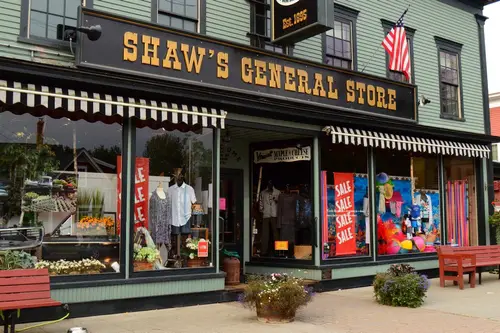
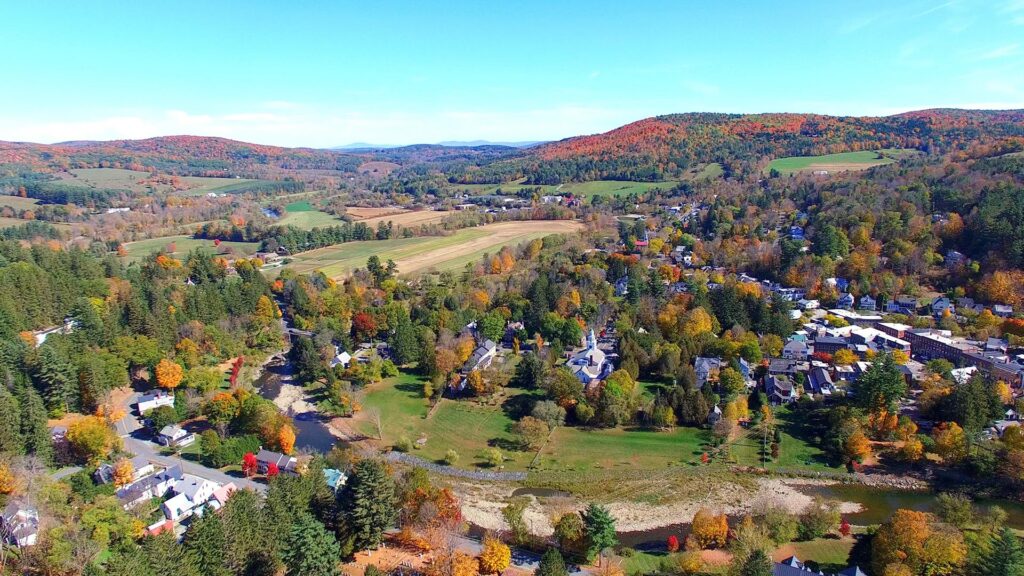
Stowe was a quiet farming area long before skiing became popular in New England. Its peaceful valleys and historic churches defined local life. Everything changed when Mount Mansfield, the state’s tallest peak, became a major ski destination. Suddenly winter travelers were pouring in every season.
The town embraced year-round recreation, adding hiking, biking, and craft breweries to its appeal. Its fall foliage became famous enough to draw international visitors. What used to be a picture-perfect but quiet postcard town turned into a bustling seasonal hub. Yet it still manages to hold onto its small-town charm despite all the attention.
8. Beaufort, South Carolina
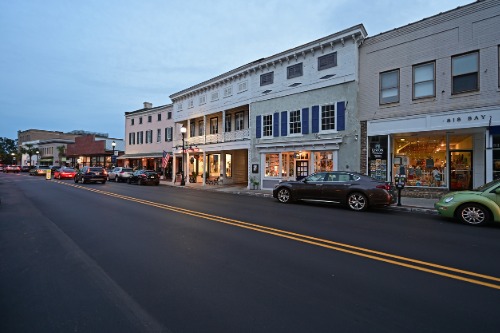
Beaufort spent much of its history as a calm, waterfront community in the Lowcountry. Its moss-draped oaks, quiet streets, and antebellum houses were mostly appreciated by locals. As travelers began looking for slower-paced coastal towns, Beaufort’s beauty suddenly made it stand out. Film crews noticed too, using it as a backdrop for several major movies.
Once that happened, curious visitors arrived wanting to experience the scenery firsthand. The historic district became a favorite for walking tours. Kayaking in its tidal marshes also became popular. Beaufort turned from a tranquil Southern town into a quietly beloved coastal retreat.
9. Crested Butte, Colorado
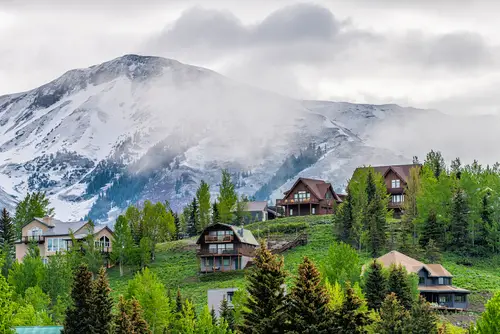
Crested Butte was a coal-mining community that became nearly forgotten after the mines shut down. Its remote location and harsh winters kept the crowds away for years. Skiing eventually put it back on the map, especially for people who preferred smaller, less commercial resorts. Its wildflower-filled summers added another unexpected layer of appeal.
As outdoor enthusiasts shared their discoveries, more hikers, skiers, and mountain bikers arrived. The town’s colorful historic buildings gave it a welcoming, lived-in warmth. Festivals celebrating everything from arts to wildflowers helped shape its identity. Crested Butte became a magnet for people seeking adventure without the big-resort chaos.
10. Beaufort, North Carolina
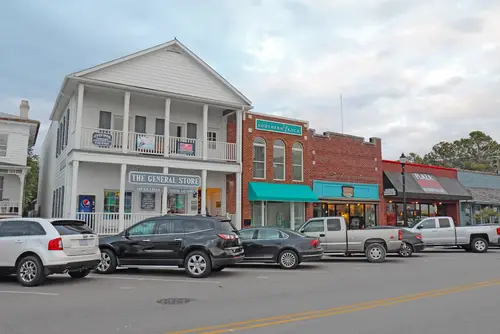
This Beaufort — on the opposite coast — spent centuries as a quiet maritime community. Its history includes pirates, shipwrecks, and early colonial life, but few people outside the state paid attention. That changed when travelers discovered its nautical museums and preserved waterfront district. The nearby barrier islands and wild horses also helped fuel curiosity.
Soon sailors, kayakers, and history lovers started visiting regularly. Restaurants and boutique inns filled in around the harbor. Coastal researchers also highlighted the area’s rich marine life, bringing even more awareness. What was once a peaceful fishing town became a surprisingly lively coastal destination.
11. Whitefish, Montana

Whitefish stayed off the radar for a long time, overshadowed by bigger Montana towns. Its small downtown and quiet lakefront made it feel almost hidden. Then word spread that it sat just minutes from the entrance to Glacier National Park. Travelers looking for somewhere less crowded than park lodges suddenly saw Whitefish as the perfect base.
Skiing at Whitefish Mountain Resort added winter appeal. Breweries, shops, and restaurants filled the walkable downtown as more visitors arrived. The lake became a summer magnet for paddleboarders and swimmers. Whitefish went from unknown to one of Montana’s most beloved mountain towns.
12. Sedona, Arizona
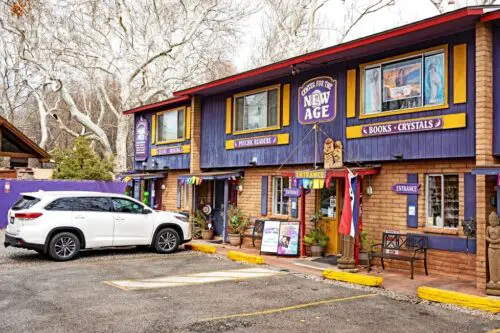
Sedona was once a modest high-desert ranching community with dramatic red rocks that only locals and a few hikers fully appreciated. As more travelers discovered the surreal landscape, the town began growing steadily. Artists were among the first outsiders, drawn to the colors and canyon views. Soon spiritual seekers followed, fascinated by the area’s reputation for “energy vortexes.”
The scenic byways and trails then turned Sedona into a major outdoor destination. Jeep tours, galleries, and wellness retreats became part of its identity. What began as a quiet patch of desert transformed into one of the most instantly recognizable places in the Southwest. Yet the red rock still gives it that sense of awe that originally drew people in.
This post 12 U.S. Towns That Were Supposed To Be Quiet — Until Outsiders Found Out About Them was first published on American Charm.