
1. Salem, Massachusetts
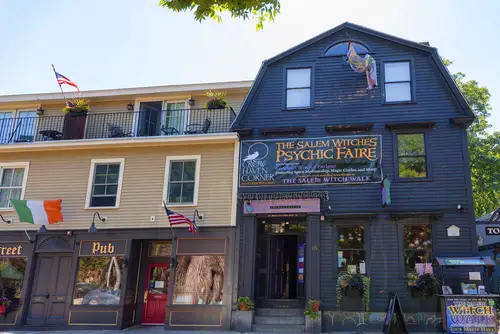
Salem’s witch-trial history is both a blessing and a branding challenge. The town has tried multiple times to emphasize its maritime heritage, literary connections, and arts community. But the witch-themed tourism always surges back to the forefront, especially every October. That dynamic keeps Salem oscillating between wanting to diversify and needing to embrace what drives the crowds.
Local museums and visitor centers often adjust their programming to balance spooky tourism with more traditional history. Even official city marketing has swung between “Haunted Happenings” and broader cultural messaging. Residents sometimes argue over how much witch-related branding is too much. The debate never fully resolves, keeping the rebranding cycle alive year after year.
2. Ismay, Montana
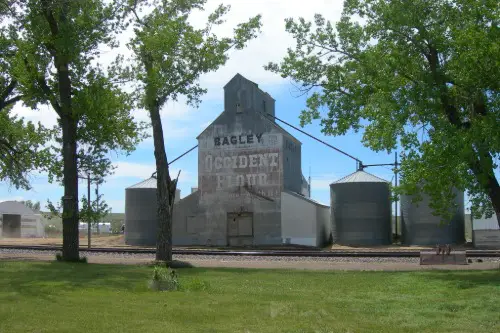
Ismay made national news in 1993 when it temporarily renamed itself Joe, Montana, in a publicity move tied to the legendary quarterback. That stunt brought attention but also put the town in a weird spot once the novelty wore off. Since then, Ismay has tried to rebrand again as a quirky roadside stop for Americana enthusiasts. None of these efforts have stuck long enough to become a clear identity.
Residents admit the town’s biggest challenge is that it’s tiny, which makes long-term branding hard to sustain. Visitors often come expecting a football-themed attraction that no longer exists. Others discover a town trying to lean into its rural charm but without a consistent message. The mismatch between expectations and reality keeps the rebranding loop alive.
3. Dish, Texas
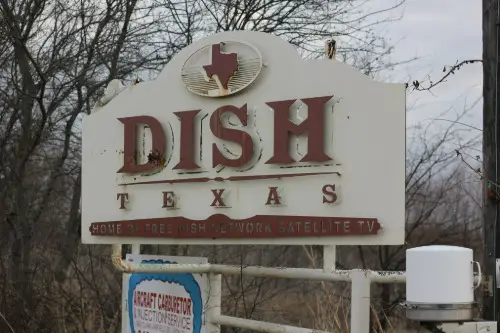
Dish, Texas, famously changed its name from Clark in 2005 as part of a promotional deal with a satellite TV company. After the deal ended, the town struggled with whether to keep its corporate identity or reinvent itself again. Some residents pushed for a return to the original name, while others liked the oddball charm of “Dish.” The result has been a long-running identity tug-of-war.
Branding efforts since have bounced between tech-themed gimmicks and traditional small-town marketing. The town’s newsletters and community pages often reflect these mixed messages. Even local leaders have acknowledged that the name still overshadows the town’s real character. So Dish lives in branding limbo, unsure of which version of itself should take the lead.
4. Halfway, Oregon
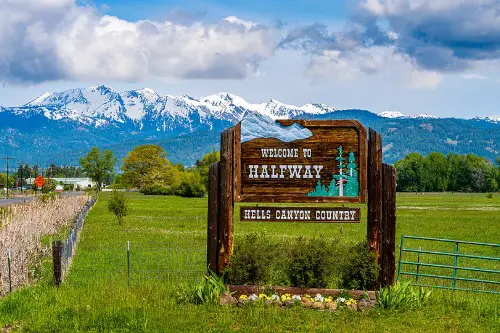
Halfway’s temporary decision in 2000 to rename itself “Half.com” put it in the national spotlight for a year. When the deal ended, the town tried to position itself as a fun, self-aware destination that didn’t take the stunt too seriously. Yet every attempt since then—outdoorsy, historic, quirky, you name it—gets compared to that infamous dot-com era moment. It’s tough to reshape your image when everyone remembers you for a marketing experiment.
Town leaders have since tried to emphasize nature tourism and the area’s scenic byways. But the name-change story keeps resurfacing, pulling attention away from more serious campaigns. Even today, visitors often ask about the Half.com sign rather than the hiking trails. That lingering legacy keeps the town cycling through fresh rebranding attempts.
5. Hot Springs, South Dakota
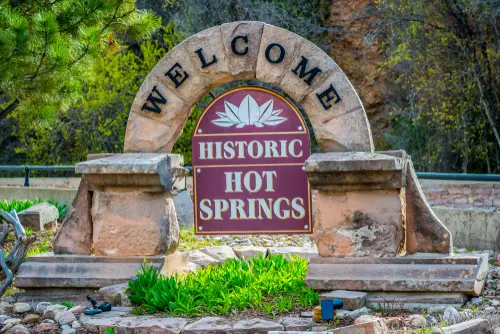
Hot Springs has long promoted its natural warm waters, but it has never settled on the best way to frame that appeal. Over the years it has alternated between wellness retreat branding, Old West heritage messaging, and paleontology tourism tied to the Mammoth Site. Each theme attracts a different crowd, and none has become the dominant narrative. The result is a town that feels like it’s flipping through identities like channels on a remote.
Tourism materials often show these shifts in real time, as brochures quietly swap slogans and featured attractions. Some years focus heavily on historic buildings, while others highlight outdoor recreation. Visitors often arrive with one expectation and find a broader—but slightly scattered—mix of offerings. That constant recalibration keeps the town in a state of gentle rebranding.
6. Bethlehem, Pennsylvania
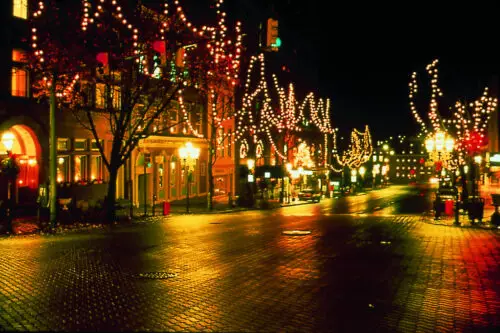
Bethlehem’s long transformation from a steel town to “Christmas City” created both opportunity and confusion. The holiday branding works brilliantly in winter, but the city has spent decades trying to figure out what its year-round identity should be. Arts city? Industrial heritage site? Cultural festival hub? They’ve tried all three, sometimes overlapping them without a clear hierarchy.
This has led to frequent refreshes in marketing campaigns, tourism maps, and seasonal promotions. Some residents embrace the evolving image, while others prefer a more focused identity. The city keeps experimenting to strike a balance between history and reinvention. That ongoing search is why Bethlehem frequently feels like it’s rebranding on a loop.
7. Flint, Michigan
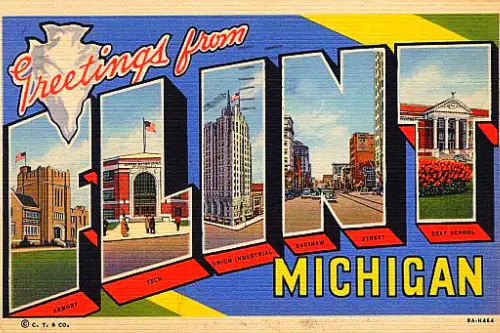
Flint’s struggle to recover from the collapse of the auto industry has produced wave after wave of rebranding attempts. Officials have pitched it as a university town, an arts community, a rehabilitation success story, and a hub for new manufacturing. Some of these efforts gained momentum, but none fully replaced the shadow of its industrial past. As a result, Flint’s public image still feels caught between aspiration and reality.
Even local initiatives often shift tone depending on economic conditions. Promotional materials alternate between upbeat revitalization stories and heritage-focused messaging. Residents have grown used to the constant pivoting, even if they don’t always agree with it. Until a single identity resonates widely, the rebranding continues.
8. Reno, Nevada
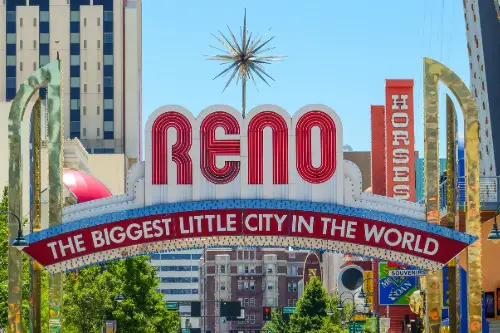
Reno’s “Biggest Little City in the World” nickname is iconic, but the city has tried repeatedly to update or expand beyond it. Efforts to market Reno as an arts-and-tech hub compete with its long-standing casino-tourism image. Some campaigns lean into nightlife and adventure sports, while others downplay gambling entirely. The tension makes it feel like the city is always testing a new personality.
Reno’s billboards and visitor guides change often enough that locals sometimes joke about keeping a scorecard. The city wants to appeal to younger visitors without alienating long-time tourists. That balancing act requires constant messaging tweaks. So even with a famous slogan, Reno keeps cycling through rebrands.
9. Atlantic City, New Jersey
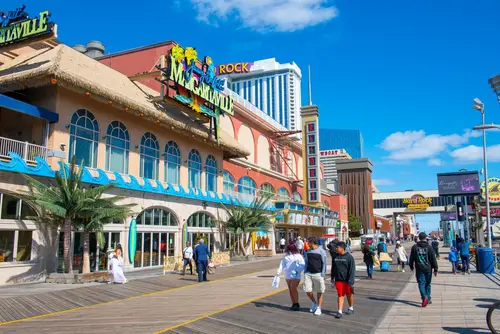
Atlantic City has tried nearly every identity imaginable: luxury resort town, family destination, entertainment capital, and comeback city. Each pitch runs into economic ups and downs that reset the narrative. When casinos struggle, the city tries to highlight beaches and boardwalk culture. When tourism spikes, the focus shifts back to nightlife and headliner acts.
The cycle shows up in constantly changing ad campaigns and tourism strategies. Locals are used to seeing fresh slogans appear every few years. City leaders keep searching for a version of Atlantic City that feels both sustainable and exciting. That persistent reinvention earns it a spot on nearly every list of places that rebrand too often.
10. Branson, Missouri
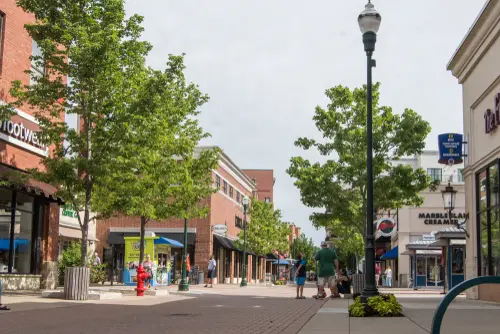
Branson’s entertainment-driven identity is always evolving as acts come and go. The town has pitched itself as a country-music haven, then a family-friendly variety show hub, and more recently an outdoor adventure destination. Each wave brings new theaters, attractions, and promotional angles. But none stays dominant for long, so the town keeps refreshing the narrative.
Visitors sometimes arrive expecting old-school country shows, only to find ziplining and contemporary tribute acts. Others come for outdoor recreation and stumble into music venues advertising entirely different eras of entertainment. The constant churn keeps Branson lively but also makes its brand feel inconsistent. That’s why it remains a prime example of a place that never quite settles on one identity.
11. Deadwood, South Dakota
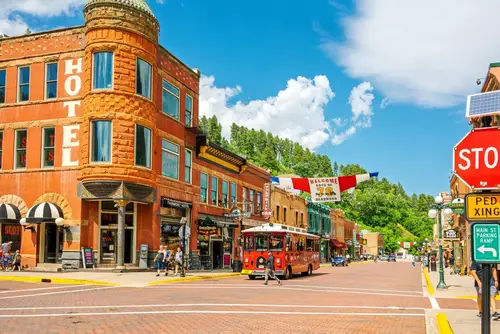
Deadwood’s history-rich image clashes with its modern casino-focused economy. The town has tried repeatedly to position itself as a Wild West preservation site, but the gaming industry inevitably dominates the conversation. Tourism campaigns swing between historic reenactments and casino promotions. That duality gives visitors mixed signals about what the town wants to be.
Brochures often highlight gunfight shows alongside slot tournaments, creating an almost two-in-one destination. Some businesses lean fully into the frontier theme, while others market high-end gaming. Local debates about which image should lead are ongoing. Until that’s resolved, Deadwood continues to juggle competing identities.
12. Lake Havasu City, Arizona

Lake Havasu City built its brand around the transplanted London Bridge, but the town has long tried to expand its appeal. Marketing campaigns have alternated between spring-break hotspot, boating paradise, retirement haven, and desert adventure base. The tone can shift dramatically depending on who the city wants to attract that year. That makes its brand feel like it’s always in motion.
Many visitors still arrive mainly for the London Bridge, even as the town tries to highlight broader recreation and events. Seasonal shifts also push the identity in different directions. Business owners often tailor their message to whichever crowd is most prominent at the time. All of this contributes to a constant rebranding cycle.
13. Truth or Consequences, New Mexico
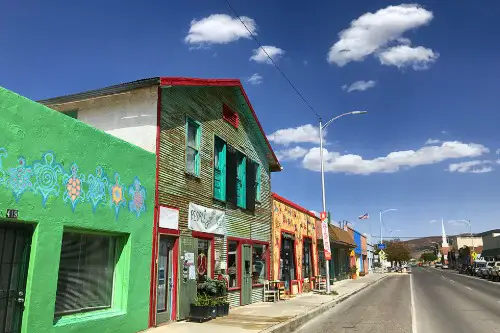
Truth or Consequences is famous for renaming itself after a radio show in 1950, but it hasn’t stopped tinkering with its identity since. The town has repeatedly tried to re-center its image around its natural hot springs, then around Route 66 nostalgia, and then around desert wellness tourism. Each attempt gets some traction, but none becomes the defining draw officials hope for. Locals joke that the town’s brand is basically “whatever works this year.”
The shifting identity shows up in constant tweaks to visitor guides and marketing campaigns. One year it’s all about the spa scene, and the next it’s framed as an arts haven. Many towns refresh slogans, but T or C does full-leap reinventions. That’s why it consistently pops up whenever people talk about communities still searching for the perfect hook.
This post 13 U.S. Towns That Keep Rebranding Themselves and Never Get It Quite Right was first published on American Charm.

