1. Cumberland, Maryland
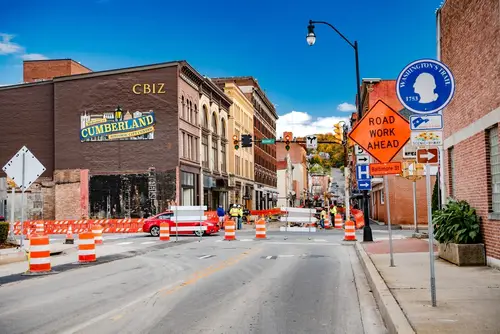
Cumberland often gets picked as a future mountain-town success story due to its setting and affordability. But its post-industrial economy continues to evolve at a measured pace. Employment gains have been limited, especially in higher-wage sectors. Infrastructure challenges also add friction to new development.
Despite its scenic surroundings, population decline has been difficult to reverse. Outdoor recreation tourism helps but doesn’t replace lost jobs. Historic buildings offer charm but require cost-heavy restoration. Cumberland keeps getting nods, yet rarely secures a breakout moment.
2. Bisbee, Arizona
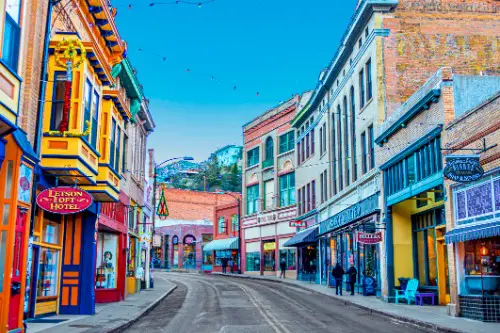
Bisbee has been praised for years as a quirky, arts-loving mountain town poised for a renaissance. Still, its economy depends heavily on tourism and small local shops, making steady year-round growth challenging. Former mining sites attract history buffs, but redevelopment has moved slowly. The town’s steep layout and aging infrastructure also complicate plans for expansion.
Housing remains relatively affordable, yet the population has stayed mostly flat. Retirees often outnumber younger residents, which can slow commercial diversification. Despite regular media love, the job base hasn’t meaningfully widened. Bisbee stays charming, but not exactly booming.
3. Scranton, Pennsylvania
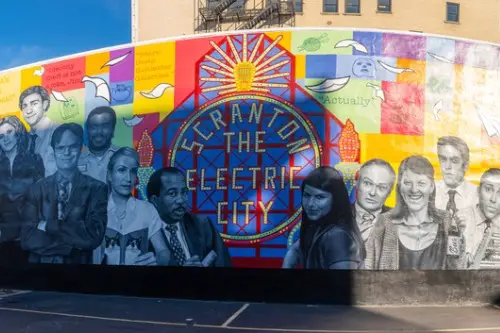
Scranton often shows up in “reviving Rust Belt” roundups thanks to its historical architecture and low cost of living. However, job gains have remained inconsistent, especially in manufacturing and transportation. The downtown has seen some revitalization, but vacancies persist along key corridors. Public budget constraints also slow infrastructure improvements.
The city’s notoriety from pop culture hasn’t translated into major inward migration. Property values remain comparatively low, signaling steady but modest demand. Universities contribute energy, yet many graduates leave for bigger job markets. Scranton keeps getting predicted to pop—but only ever seems to simmer.
4. Macon, Georgia
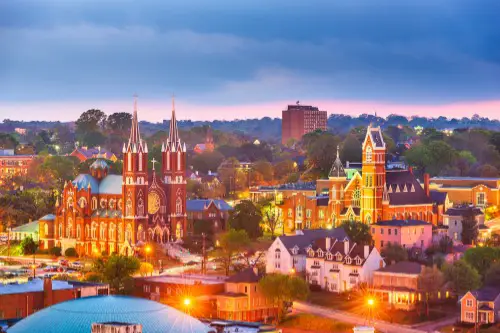
Macon gets highlighted for its music heritage and relatively central location. But despite occasional development announcements, the city’s growth rate lags behind other mid-sized Southern hubs. Revitalization efforts downtown move forward, then stall, then restart. Consistent private investment has been harder to lock in.
The city has rich cultural assets, yet they haven’t produced the expected population increases. Median household income growth has remained slower than the state average. Older housing stock requires substantial reinvestment before attracting newcomers at scale. Macon is perpetually “on the verge,” but rarely past it.
5. New London, Connecticut
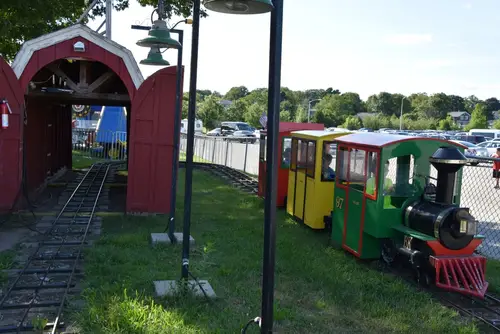
New London lands on “coastal towns ready to rebound” lists because of its walkable waterfront and transportation links. Still, large redevelopment projects—especially around the harbor—have progressed in fits and starts. The economy remains tied to regional institutions, including the local base and maritime activity. Private-sector expansion has been limited compared to neighboring cities.
Tourism bumps help, but the offseason quiet keeps many businesses cautious. Residential growth hasn’t spiked despite infrastructure advantages. Cultural venues draw visitors, not permanent residents. A lot of potential is acknowledged, but the leap never quite happens.
6. Galena, Illinois
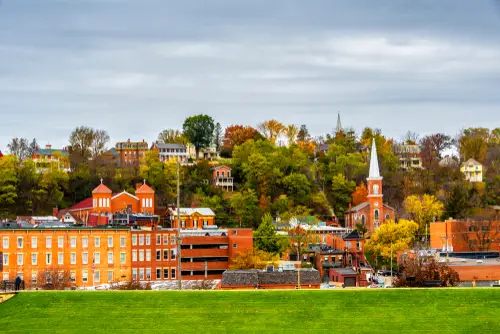
Galena gets frequent mentions for its preserved 19th-century downtown and steady tourist traffic. But those strengths also lock it into a tourism-dependent economy that doesn’t easily diversify. Employment options outside hospitality remain narrow. Seasonal swings make sustainable growth tricky.
The town’s population has stayed nearly unchanged for years. Many buyers treat it as a second-home destination rather than a primary residence. Development is deliberately controlled to preserve its historic look, slowing expansion. Galena shines as a getaway—but not as a rising economic center.
7. Taos, New Mexico
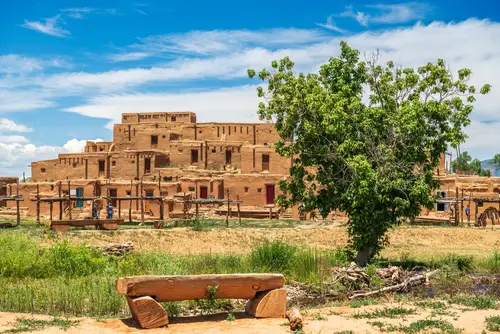
Taos is celebrated endlessly for its arts, skiing, and scenery. But long-term economic gains haven’t matched the hype because wages stay relatively low compared to living costs. Tourism remains the dominant engine, making the local job market uneven. Housing shortages also limit new residents.
Creative energy is abundant, yet many artists rely on outside markets to sustain themselves. Infrastructure upgrades have been gradual rather than transformative. Younger residents often leave for more stable employment elsewhere. Taos is constantly labeled “up-and-coming,” but remains more “up-and-visiting.”
8. Hot Springs, Arkansas
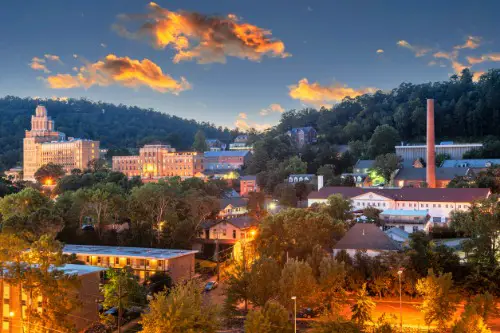
Hot Springs frequently appears in lists highlighting spa history and affordability. Yet redevelopment along the historic bathhouse row has faced stop-start progress for decades. Tourism is strong, but diversification continues slowly. The city’s economy often trails Arkansas’s faster-growing metros.
Population increases remain modest despite national attention. Many visitors come for weekend trips rather than relocations. Large-scale private investment has been selective. Hot Springs always sounds on the cusp—but never quite accelerates.
9. Muncie, Indiana
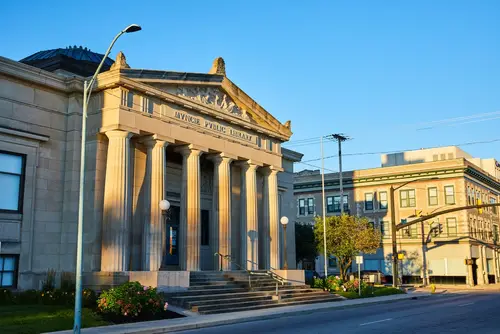
Muncie is regularly noted in conversations about Midwest college towns ready for a comeback. But its economic base, once linked heavily to manufacturing, hasn’t fully rebounded. While Ball State University provides stability, it doesn’t drive broad citywide growth. Downtown improvements have been visible but limited.
Housing remains inexpensive, yet that hasn’t created a migration surge. Job diversification has been slower than surrounding regions. Community initiatives are promising, but long-term outcomes remain gradual. Muncie is often forecast to rise, but mostly moves sideways.
10. Marfa, Texas
Marfa shows up on nearly every “next big arts town” list because of its galleries and the Chinati Foundation. But beyond the arts scene, year-round economic activity remains limited, and job growth has stayed modest. Housing prices have risen due to second-home buyers, yet the local population has barely changed. It’s a place everyone talks about but few actually relocate to full-time.
The town’s remote location keeps its cultural cachet from turning into large-scale development. Visitors come for long weekends, not long-term commitments. Local businesses often remain seasonal or boutique, which limits expansion. Marfa keeps getting the buzz, but the momentum rarely converts into broad economic lift.
11. Pahrump, Nevada
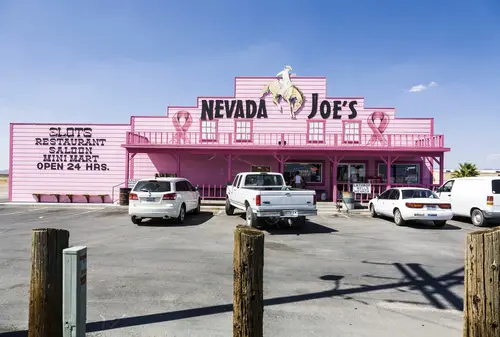
Pahrump frequently appears in “next desert boomtown” lists because of its proximity to Las Vegas. Still, its growth remains inconsistent and heavily tied to housing cycles. Commercial development has lagged behind residential expansion. Services and amenities haven’t scaled quickly enough to match expectations.
The area’s economic identity remains in flux, resulting in cautious investment. Tourism from nearby attractions doesn’t always stay within town limits. Infrastructure projects take time in the sprawling valley landscape. Pahrump gets predicted to surge, but the reality is a slow shuffle.
12. Rochester, New Hampshire
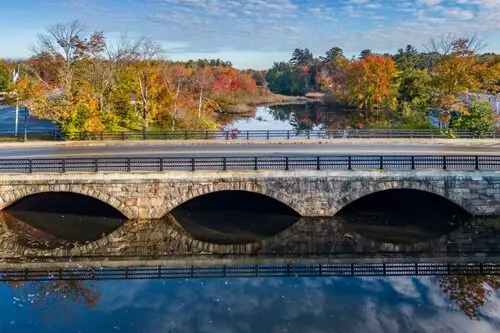
Rochester is often touted as the next beneficiary of New England’s shifting housing market. But while nearby towns have seen rapid growth, Rochester’s progress has been more incremental. Downtown revitalization efforts continue, but storefront turnover remains noticeable. Industrial redevelopment projects move forward but not dramatically.
The town’s appeal as an affordable option hasn’t yet turned into a major population spike. Proximity to the Seacoast helps, but commuting patterns haven’t shifted significantly. Home prices have risen, yet commercial activity grows unevenly. Rochester keeps appearing on lists—but stays measured in its climb.
13. Cape Girardeau, Missouri
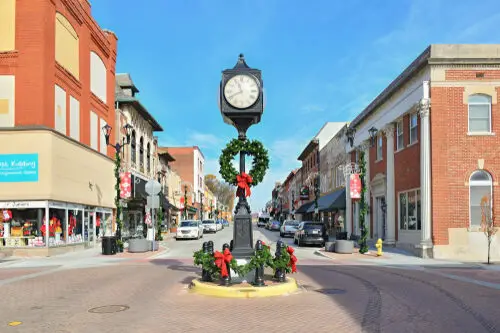
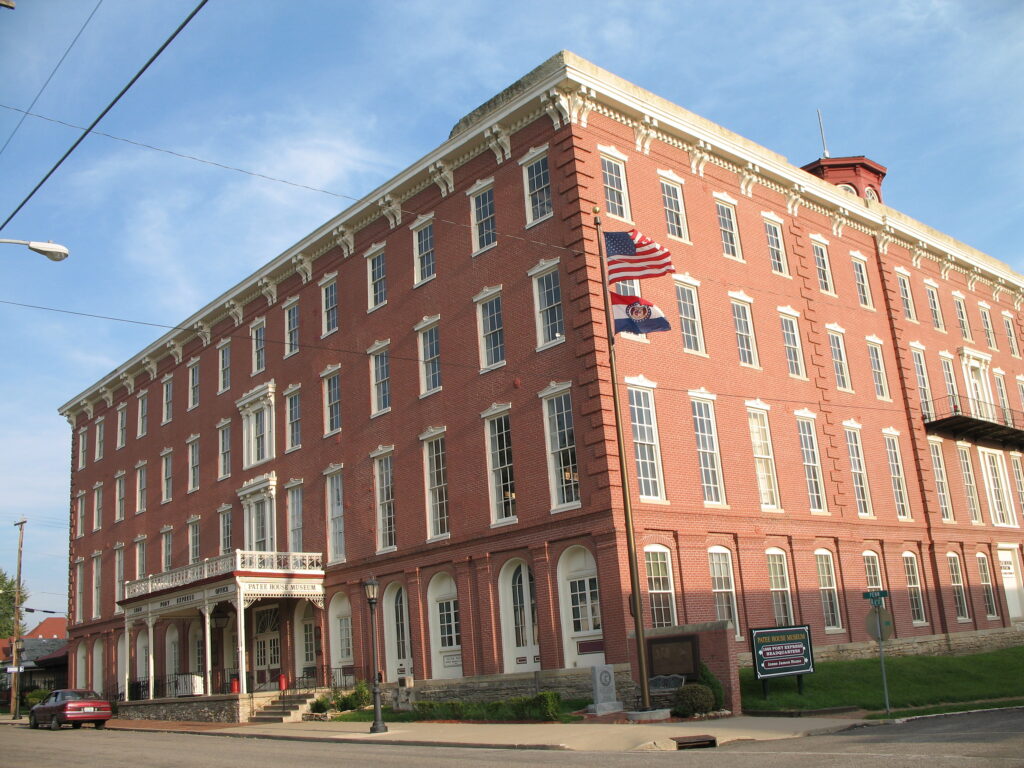
Cape Girardeau is repeatedly mentioned for its riverfront, university presence, and historic downtown. But economic expansion has been steady rather than rapid, keeping it off the true “breakout” list. Job growth is moderate and tied to healthcare and education. Retail and entertainment growth remains gradual.
Student populations add energy, yet long-term retention is limited. Floodplain constraints complicate certain types of development. Tourism peaks during events but doesn’t translate into large-scale investment. Cape Girardeau often seems poised for more—but coasts along instead.
14. Beckley, West Virginia
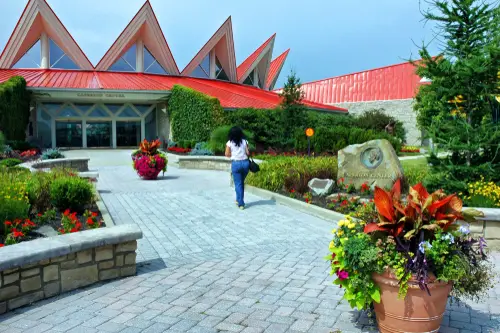
Beckley shows up in “next adventure-town revival” forecasts thanks to its access to national recreation areas. Still, coal-related economic shifts continue to influence long-term stability. Service-sector growth has not fully offset past job losses. Downtown redevelopment remains a work in progress.
Outdoor tourism has increased since nearby national park designations, but infrastructure is catching up slowly. Housing affordability is high, yet new construction is limited. Younger residents often move for broader job markets. Beckley gets projected as rising—but mainly plateaus.
This post 14 U.S. Towns That Keep Getting Listed as ‘Up and Coming’ Without Ever Actually Coming Up was first published on American Charm.