
1. Deadwood, South Dakota
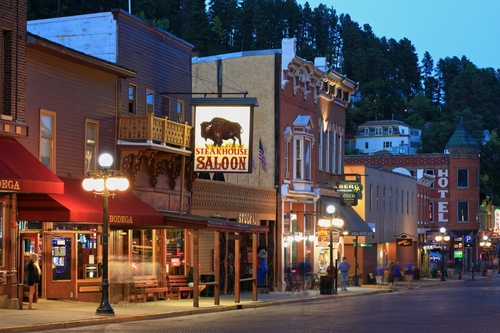
Deadwood still feels like it hasn’t quite left the Wild West behind. The entire town is a National Historic Landmark, and many buildings date back to the gold rush era. Saloons, gaming halls, and reenactments keep that frontier energy alive. You can walk down Main Street and feel the 1870s lingering.
Modern life exists, but it’s layered carefully over that preserved identity. Gambling was legalized in the 1980s specifically to fund historic preservation. That decision tied the town’s future to its past in a very literal way. Deadwood holds onto history because it’s also its economic engine.
2. Williamsburg, Virginia
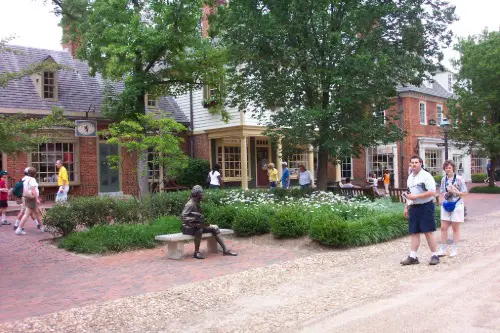
Williamsburg is essentially a living window into the 18th century. Through Colonial Williamsburg, large portions of the town are preserved and interpreted to reflect life before and during the American Revolution. Costumed interpreters, restored buildings, and working trades make the past feel like the present. It’s not accidental nostalgia, it’s a carefully maintained identity.
The town leans heavily into that historical continuity in everything from architecture to tourism. Modern development exists, but it’s intentionally kept from overwhelming the colonial core. Even daily life nearby is shaped by the steady flow of visitors seeking that earlier era. Williamsburg doesn’t just remember the past, it actively performs it.
3. Mackinac Island, Michigan
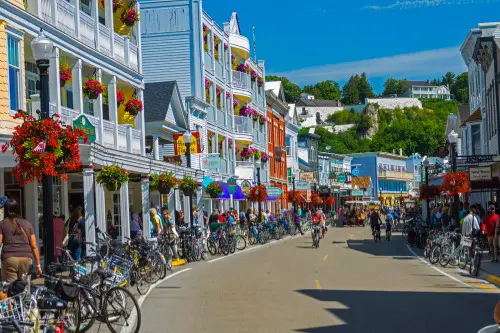
Mackinac Island famously banned most motor vehicles back in 1898. To this day, transportation is primarily by bicycle, horse-drawn carriage, or foot. That single policy decision froze a piece of everyday life in an earlier era. The result is a place where time feels slower and quieter.
Victorian architecture and historic hotels reinforce that sense of stepping back. The island’s economy depends on maintaining that old-fashioned atmosphere. Even routine activities like commuting or deliveries follow older rhythms. It’s a rare example of a community choosing to stay deliberately out of step with modern convenience.
4. St. Augustine, Florida
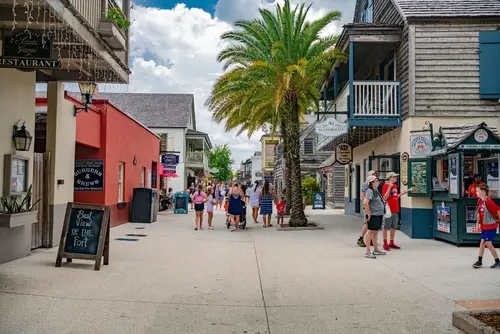
St. Augustine leans into its identity as the oldest continuously occupied European-established settlement in the U.S. Spanish colonial architecture, narrow streets, and historic forts define the landscape. Preservation efforts keep much of the city visually tied to earlier centuries. Walking through it feels layered with history at every turn.
Tourism reinforces the focus on heritage rather than rapid modernization. Strict guidelines shape how new construction fits into the historic core. Museums, reenactments, and landmarks keep the past front and center. The city moves forward, but always with one foot firmly planted behind it.
5. Galena, Illinois
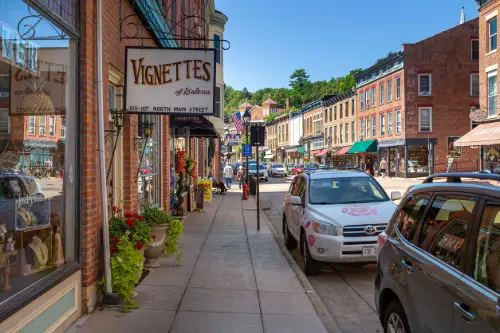
Galena looks remarkably similar to how it did in the 19th century. Once a booming lead mining town, it declined when industry shifted elsewhere. Instead of being redeveloped, much of the downtown was preserved. Today, it’s filled with intact brick buildings and historic homes.
That preservation wasn’t just aesthetic, it became the town’s identity. Tourism now revolves around its near-perfect historical streetscape. Even small details like signage and storefronts reflect older styles. Galena feels like it paused at its peak and decided to stay there.
6. Bisbee, Arizona
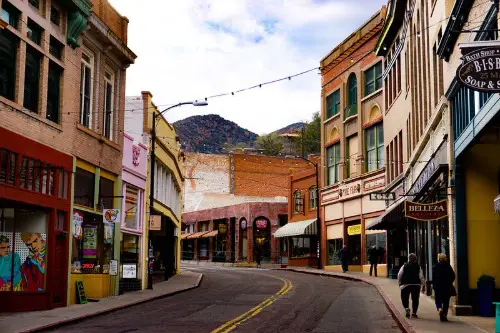
Bisbee grew as a copper mining town tucked into the hills of southern Arizona. When mining declined, the town didn’t reinvent itself through large-scale development. Instead, it preserved its steep streets, historic buildings, and quirky layout. The past remains visible in nearly every corner.
Artists and small businesses moved into existing structures rather than replacing them. That helped maintain the town’s early 20th-century character. Even infrastructure like stairways and narrow roads reflects its mining-era origins. Bisbee holds onto its past because it never fully erased it.
7. Virginia City, Nevada
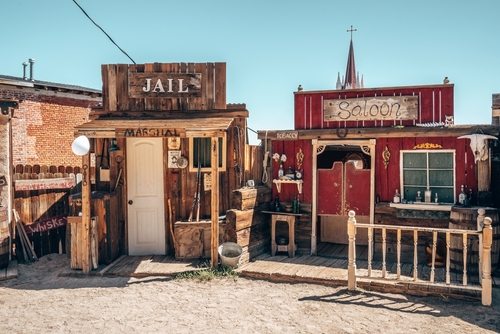
Virginia City still wears its silver mining boomtown identity proudly. Wooden sidewalks, saloons, and preserved buildings line the main street. The discovery of the Comstock Lode shaped everything about its layout and culture. That influence never really disappeared.
Tourism centers on experiencing that exact period in time. Businesses lean into Old West themes without heavily modernizing the environment. Preservation efforts keep structures close to their original form. It feels less like a recreation and more like a town that simply never let go.
8. Harpers Ferry, West Virginia
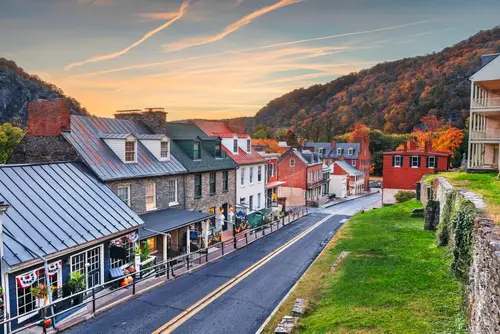
Harpers Ferry sits at a historic crossroads of rivers, railroads, and American history. It’s closely tied to John Brown’s 1859 raid and Civil War events. Much of the lower town is preserved within a national historical park. Buildings and streets reflect their 19th-century appearance.
Because of federal preservation, development is tightly controlled. The town’s identity is inseparable from its historical significance. Visitors move through spaces that look much as they did generations ago. Harpers Ferry doesn’t just remember history, it physically protects it.
9. Leavenworth, Washington
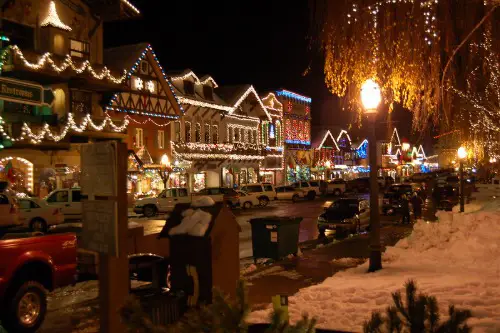
Leavenworth reinvented itself by leaning fully into a Bavarian village theme. In the 1960s, the struggling town adopted Alpine-style architecture across its downtown. Buildings were redesigned to match a cohesive Old World aesthetic. That transformation created a lasting visual identity.
Festivals, signage, and even business names reinforce the theme year-round. The town continues to regulate design to maintain that illusion. It’s not preserving its own past as much as committing to a chosen one. Either way, it’s a place that resists blending into modern sameness.
10. Tombstone, Arizona
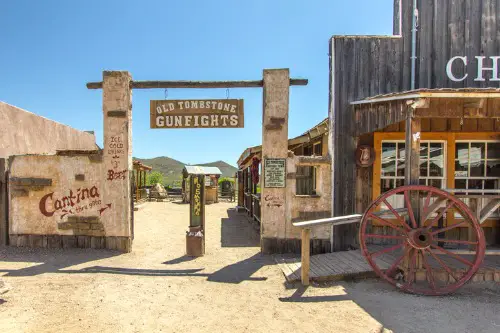
Tombstone is forever tied to its Wild West reputation and the famous gunfight at the O.K. Corral. The town preserves that identity through reenactments and historic buildings. Wooden storefronts and dusty streets maintain a frontier feel. Its entire brand is built around a specific moment in time.
Rather than modernizing away from that image, Tombstone leans into it. Tourism depends on keeping that 1880s atmosphere alive. Even everyday businesses reflect the town’s historic character. It’s a place where the past isn’t just remembered, it’s constantly replayed.
11. New Harmony, Indiana
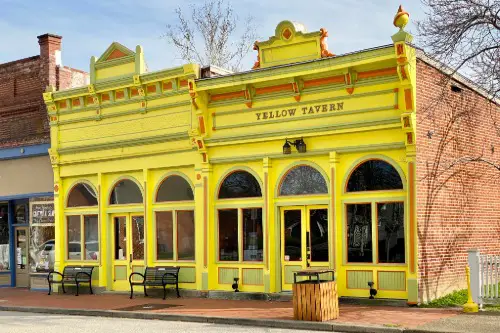
New Harmony was founded as a utopian community in the early 19th century. Though those social experiments didn’t last, the town preserved much of its original layout and spirit. Historic buildings and communal spaces remain central to its identity. The past still shapes how the town presents itself.
Modern residents maintain a strong connection to that experimental history. Museums and cultural programs highlight its philosophical roots. Development has been relatively modest compared to other towns. New Harmony feels like a place still reflecting on its original purpose.
12. Woodstock, Vermont
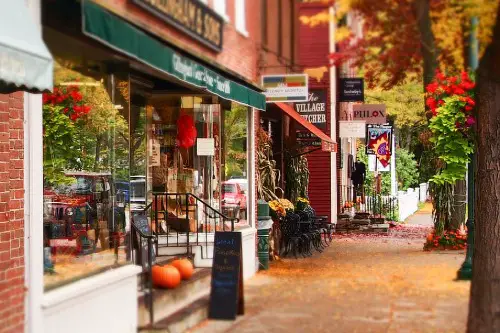
Woodstock is known for its carefully preserved New England character. Historic homes, covered bridges, and a traditional town green define its look. Strict zoning and preservation rules maintain that classic appearance. It feels intentionally frozen in a picturesque past.
Local businesses and institutions reinforce that identity. Even modern updates tend to blend seamlessly with older architecture. Tourism thrives on that consistency and charm. Woodstock holds onto the past by making it part of everyday life.
13. Eureka Springs, Arkansas
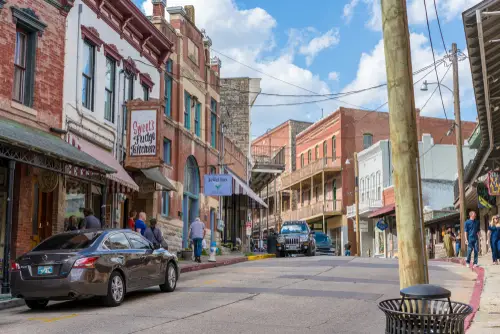
Eureka Springs developed as a Victorian-era spa town built into the Ozark hills. Its winding streets and preserved buildings reflect that late 19th-century boom. Because of its terrain, large-scale redevelopment was never easy. That helped protect its historic layout.
The entire downtown is listed on the National Register of Historic Places. Businesses operate within preserved structures rather than replacing them. Even infrastructure like staircases and narrow roads remains in use. Eureka Springs feels like a town that adapted without letting go.
This post U.S. Towns That Are Stubbornly Holding Onto the Past was first published on American Charm.

