
1. Jeanerette, Louisiana
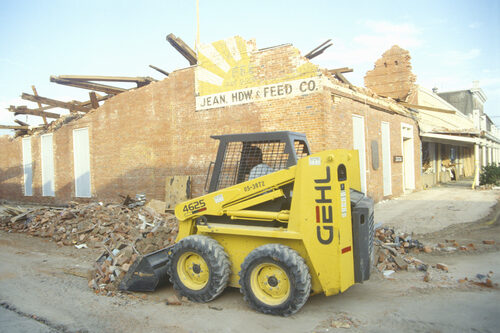
Jeanerette’s economy was tied to sugar and manufacturing, both of which declined. Population loss followed, leaving fewer services and jobs. Flood risks add another layer of stress. The town has struggled to reinvent itself.
People who lived there often feel invisible afterward. It’s small enough that few outsiders recognize the name. Economic hardship shapes everyday decisions. Admitting you lived there usually leads to awkward silence.
2. Gary, Indiana
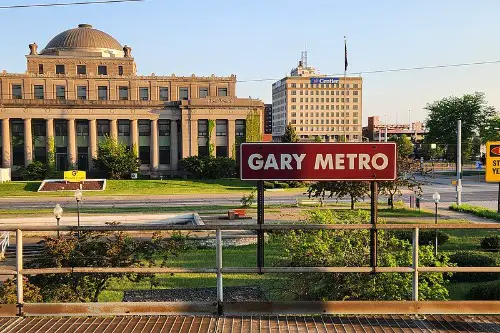
Gary was built for the steel industry, and when U.S. Steel pulled back, the city never truly recovered. Population loss has been dramatic, dropping from nearly 180,000 in the 1960s to a fraction of that today. Abandoned homes and shuttered schools are common sights. The city’s reputation often overshadows the lakefront and cultural history it actually has.
Many former residents talk about Gary with a mix of pride and exhaustion. You learn quickly to defend where you’re from when outsiders only know the headlines. Limited job opportunities pushed a lot of people to leave. Saying “northwest Indiana” can feel easier than saying the city’s name out loud.
3. Youngstown, Ohio
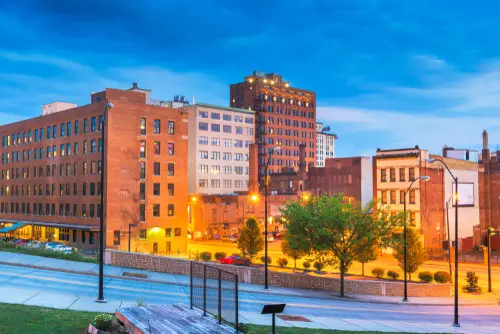
Youngstown’s story is closely tied to the collapse of the steel industry in the 1970s. The sudden shutdown of mills wiped out thousands of jobs almost overnight. That economic shock still defines how people talk about the city decades later. It’s often cited as a textbook example of Rust Belt decline.
Living in Youngstown means constant comparison to what the city used to be. Residents grew accustomed to empty industrial sites and shrinking neighborhoods. Many who left did so in search of stability rather than ambition. Admitting you lived there can invite sympathy instead of curiosity, which gets old fast.
4. Camden, New Jersey
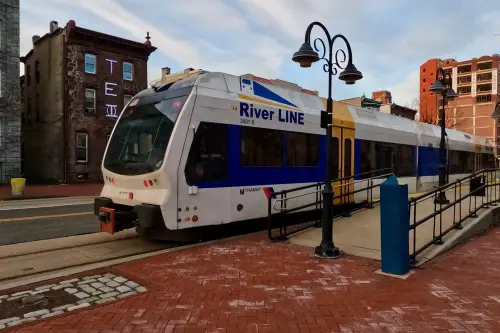
Camden spent years with one of the highest crime rates in the country, a reputation that stuck hard. Although policing reforms and redevelopment have improved conditions, the stigma lingers. For a long time, Camden symbolized urban disinvestment just across the river from Philadelphia. That contrast made the city an easy punchline.
Former residents often feel caught between past and present realities. Yes, things are better now, but explaining that takes effort. The city’s struggles with poverty and school funding are still ongoing. Many people simply say they lived “near Philly” and move on.
5. East St. Louis, Illinois
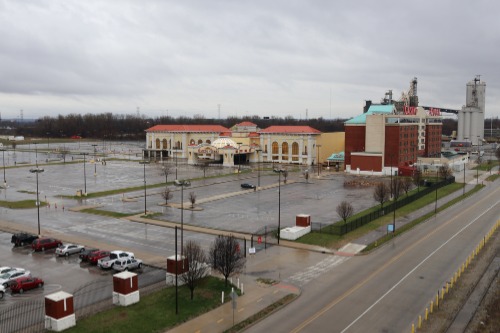
East St. Louis lost much of its economic base when rail and manufacturing jobs disappeared. The population plummeted, leaving behind vast stretches of vacant land. Decades of underfunded public services compounded the problem. Its proximity to St. Louis only highlights the inequality.
People who grew up there are used to outsiders assuming the worst. The city has long been shorthand for neglect and political failure. Day-to-day life often meant improvising around broken systems. It’s not a place many people volunteer as a fun fact.
6. Centralia, Pennsylvania
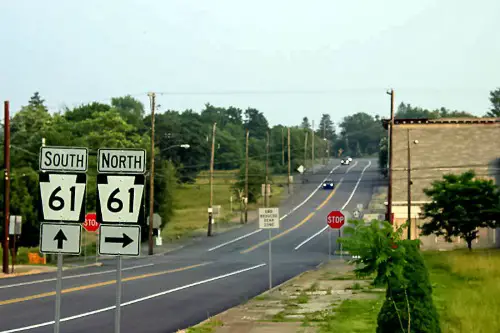
Centralia is famous for the underground coal mine fire that’s been burning since 1962. The fire led the state to relocate nearly all residents and condemn most buildings. Today, only a handful of people remain. The town is essentially a living ghost story.
If you lived in Centralia before the relocations, it’s a strange thing to explain. Your hometown technically exists, but barely. Streets lead to empty lots and blocked-off roads. Saying you’re from there often leads to disbelief or morbid curiosity.
7. Needles, California
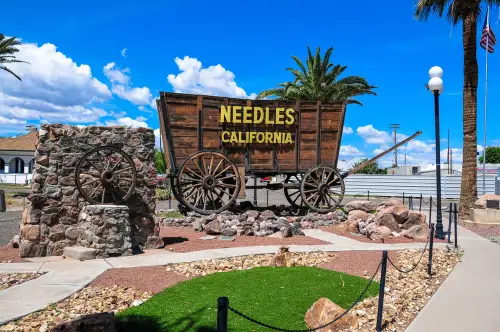
Needles regularly ranks among the hottest places in the United States. Summer temperatures frequently exceed 110 degrees, making daily life a test of endurance. The town sits along the Colorado River but still feels isolated. Its economy relies heavily on pass-through traffic from Route 66 and nearby highways.
Living in Needles means planning your day around heat. Outdoor activities become limited for months at a time. Job options are scarce unless you’re in a very specific field. When people ask why you were there in the first place, it can be hard to give a satisfying answer.
8. Salton City, California
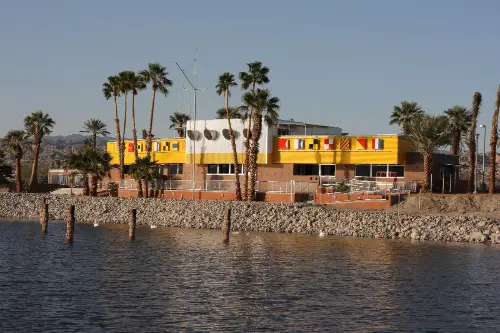
Salton City sits on the shores of the Salton Sea, which has been shrinking and growing more polluted for decades. Fish die-offs and the smell of decay are real, everyday issues. Many development plans never materialized, leaving empty lots and half-built dreams. The environmental problems are impossible to ignore.
Residents often find themselves defending why anyone would live there. Air quality concerns from exposed lakebed dust add to health worries. The area feels forgotten by the rest of the state. It’s not exactly a place people brag about on social media.
9. Cairo, Illinois
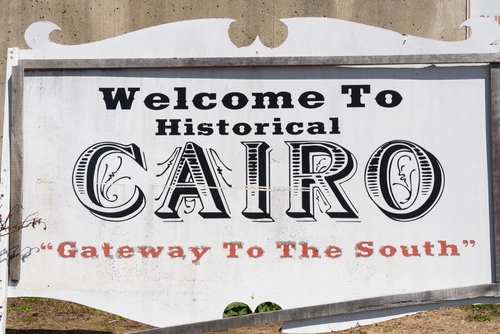
Cairo sits at the confluence of the Mississippi and Ohio Rivers, but geography didn’t save it from decline. Racial tensions, population loss, and economic isolation hollowed out the town over decades. Once-grand buildings now sit empty or crumbling. Flood risks are a constant concern.
People who lived there often describe it as hauntingly quiet. Basic services and retail options are limited. The town feels cut off from opportunity. Mentioning Cairo usually invites questions about why anyone stayed as long as they did.
10. Pine Ridge, South Dakota
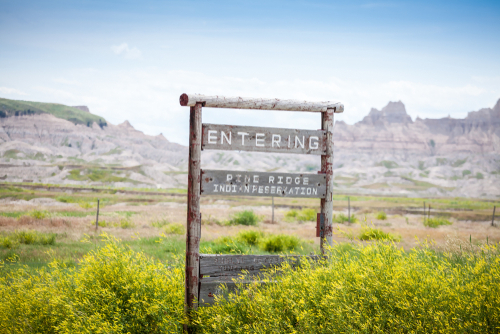
Pine Ridge Reservation struggles with extreme poverty and limited infrastructure. Unemployment rates have historically been very high, and access to healthcare is a persistent issue. Life expectancy is significantly lower than the national average. These realities shape daily life in unavoidable ways.
Residents often feel misrepresented or misunderstood by outsiders. Admitting you lived there can trigger uncomfortable conversations. The challenges are systemic, not personal. Still, many people find it emotionally heavy to explain.
11. Kermit, West Virginia
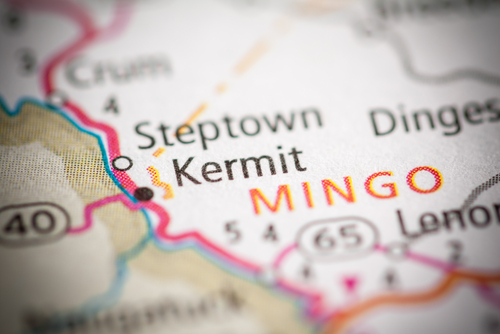
Kermit sits in coal country, where industry decline hit especially hard. When mining jobs disappeared, little replaced them. The town’s small size makes economic recovery difficult. Younger residents often leave as soon as they can.
Living in Kermit means limited job prospects and services. Isolation is part of daily life. There’s pride in community, but also frustration. It’s not a place that opens doors elsewhere.
12. El Centro, California

El Centro experiences some of the most extreme heat in the country. Summer temperatures routinely soar well above 110 degrees. The agricultural economy depends heavily on migrant labor and water availability. The climate shapes everything from work schedules to social life.
Former residents often joke that you don’t leave El Centro, you escape it. The heat limits outdoor activity for long stretches. Entertainment and career options are limited. Explaining why you lived there usually requires context.
13. Blythe, California
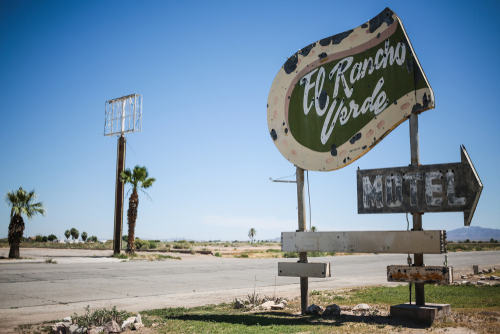
Blythe sits along the Colorado River but feels far removed from major cities. The town is hot, remote, and economically limited. Agriculture and prisons are major employers. Many people pass through without stopping.
Living in Blythe can feel like being forgotten. Social life is small and repetitive. Career advancement often means leaving town. It’s not somewhere people casually admit to choosing.
14. Clarksdale, Mississippi
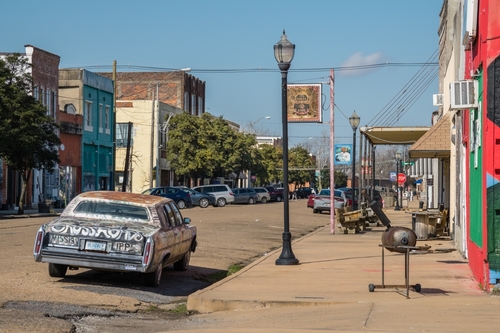
Clarksdale is rich in blues history but struggles economically. Poverty rates are high, and job opportunities are scarce. Infrastructure issues are common. The cultural legacy doesn’t always translate into stability.
Residents often feel conflicted about the town. There’s pride in its music and history. There’s also frustration with limited opportunity. Explaining that balance can be exhausting.
15. Flint, Michigan
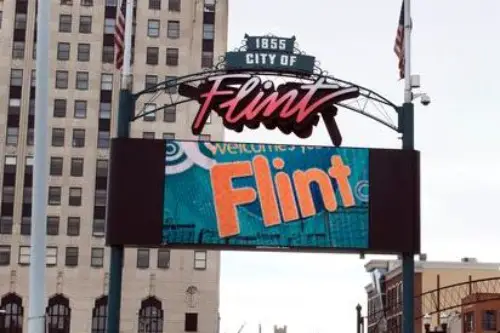
Flint’s name is still inseparable from its water crisis, which began in 2014 and made national headlines for all the wrong reasons. Even after years of pipe replacement and oversight, many former residents say they got tired of defending their hometown to outsiders. The city’s long decline after the auto industry downsized left deep scars that are still visible today. For people who lived there during the worst years, Flint can feel like a chapter they’d rather quietly close.
Growing up or settling in Flint often meant learning resilience early, but that doesn’t mean it was easy. Job losses from General Motors hollowed out neighborhoods and shrank the tax base. Vacant houses and infrastructure problems became part of daily life. When people say they “used to live near Detroit” instead, it’s usually an attempt to dodge a long explanation.
This post 15 U.S. Towns Nobody Wants to Admit They Lived In was first published on American Charm.

